
Hawkes Bay Coast
2016-2023
Once I returned to Hawke’s Bay after my Iceland adventures, I wanted to continue working in a similar way in the environment and see what would come out of it.
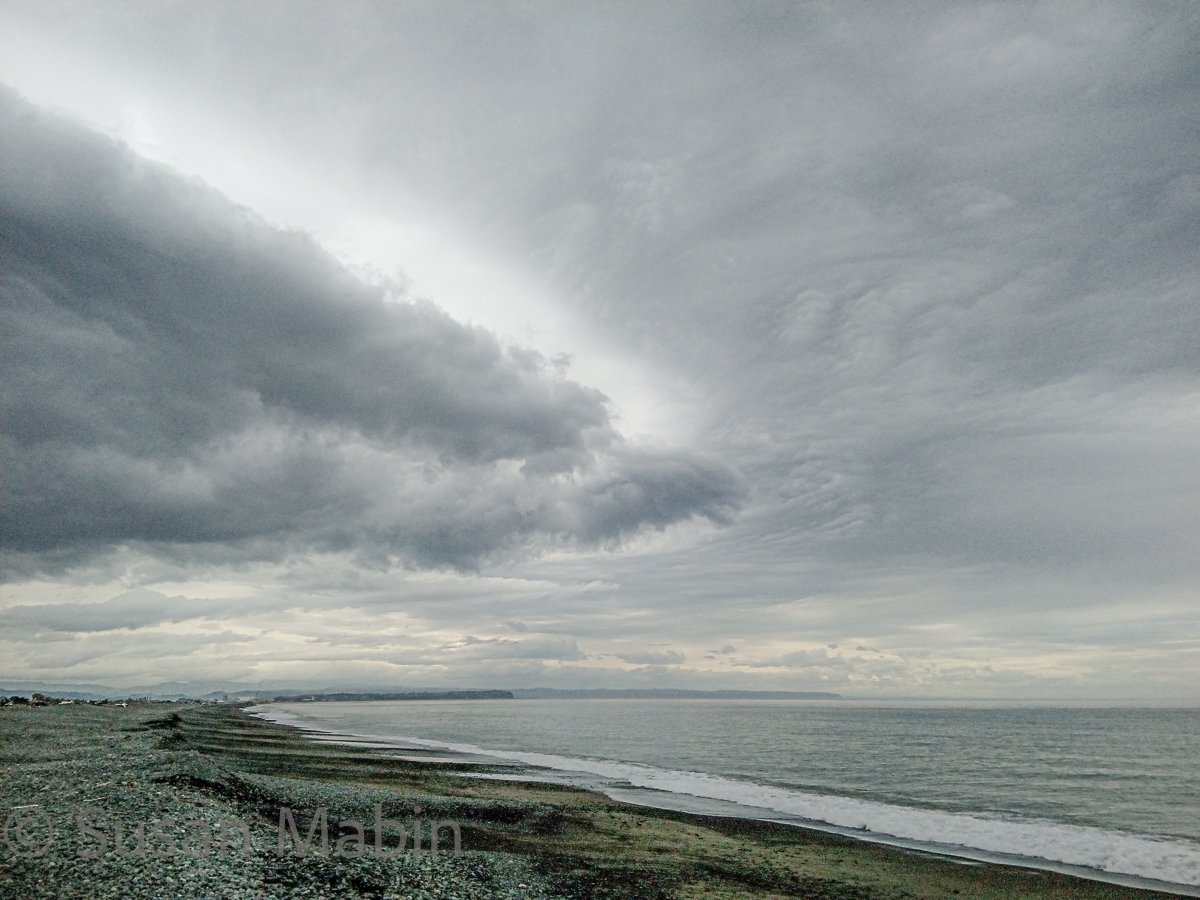
Climate zone: Temperate
Transition Zone: Coastal/Wetlands/River
Latitude: 39.49009 South Longitude: 176.91840 East
With this project, I did my Honours and Masters degrees at Eastern Institute of Technology in 2016 and 2017. I have a photographic and sculptural documentation of my findings and some of the artwork that came out of it has been selected as finalist work in national award shows.
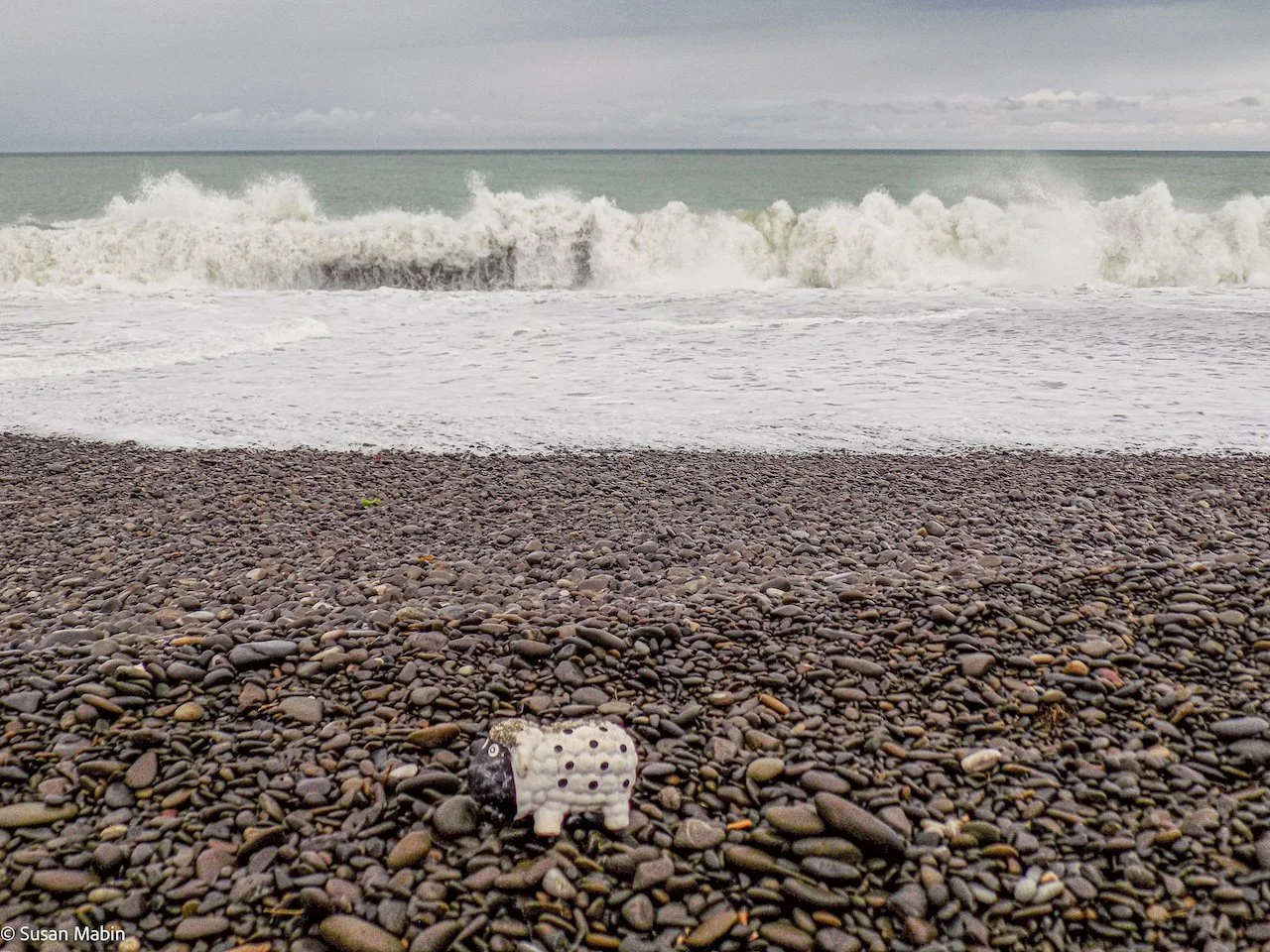
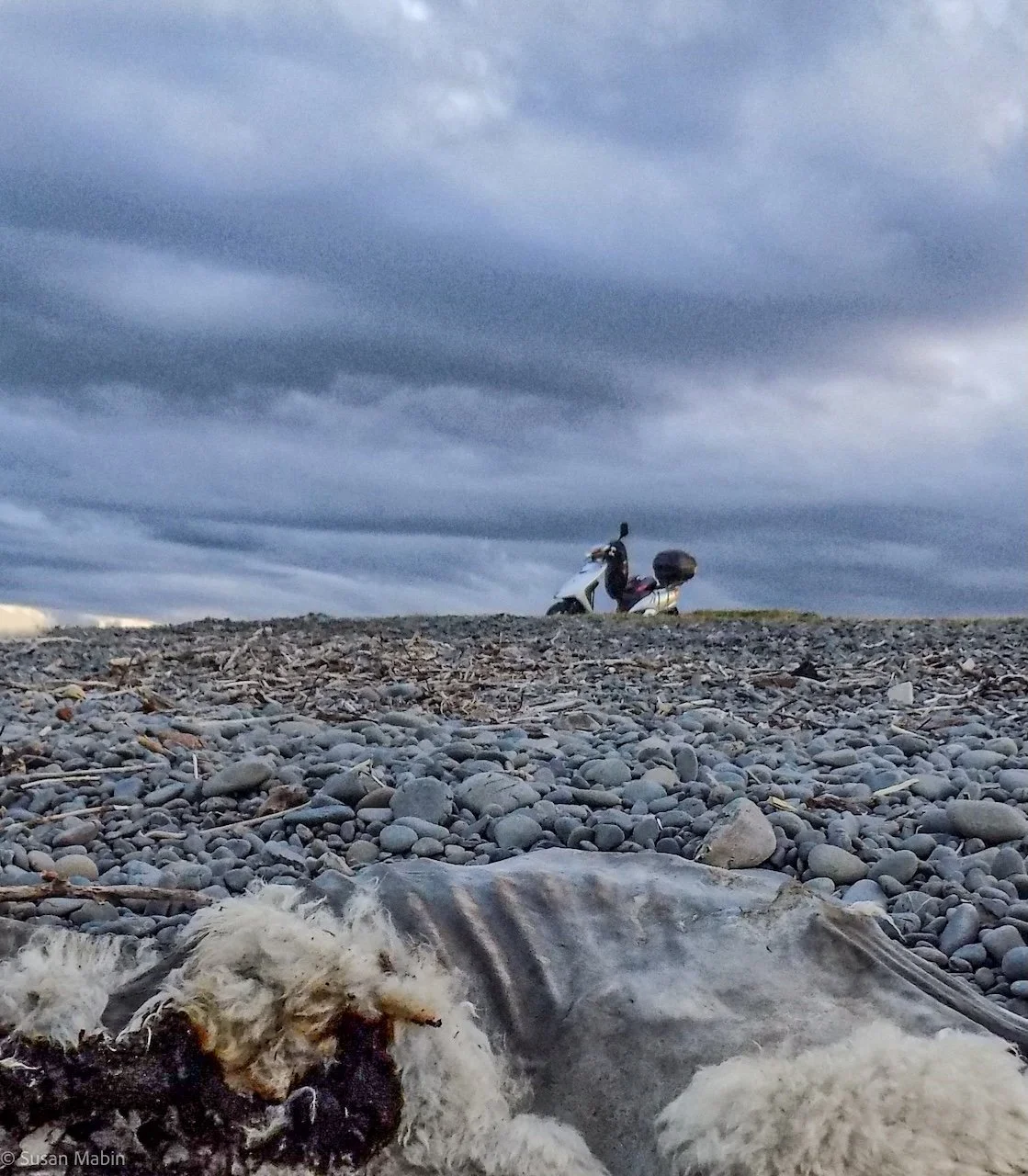
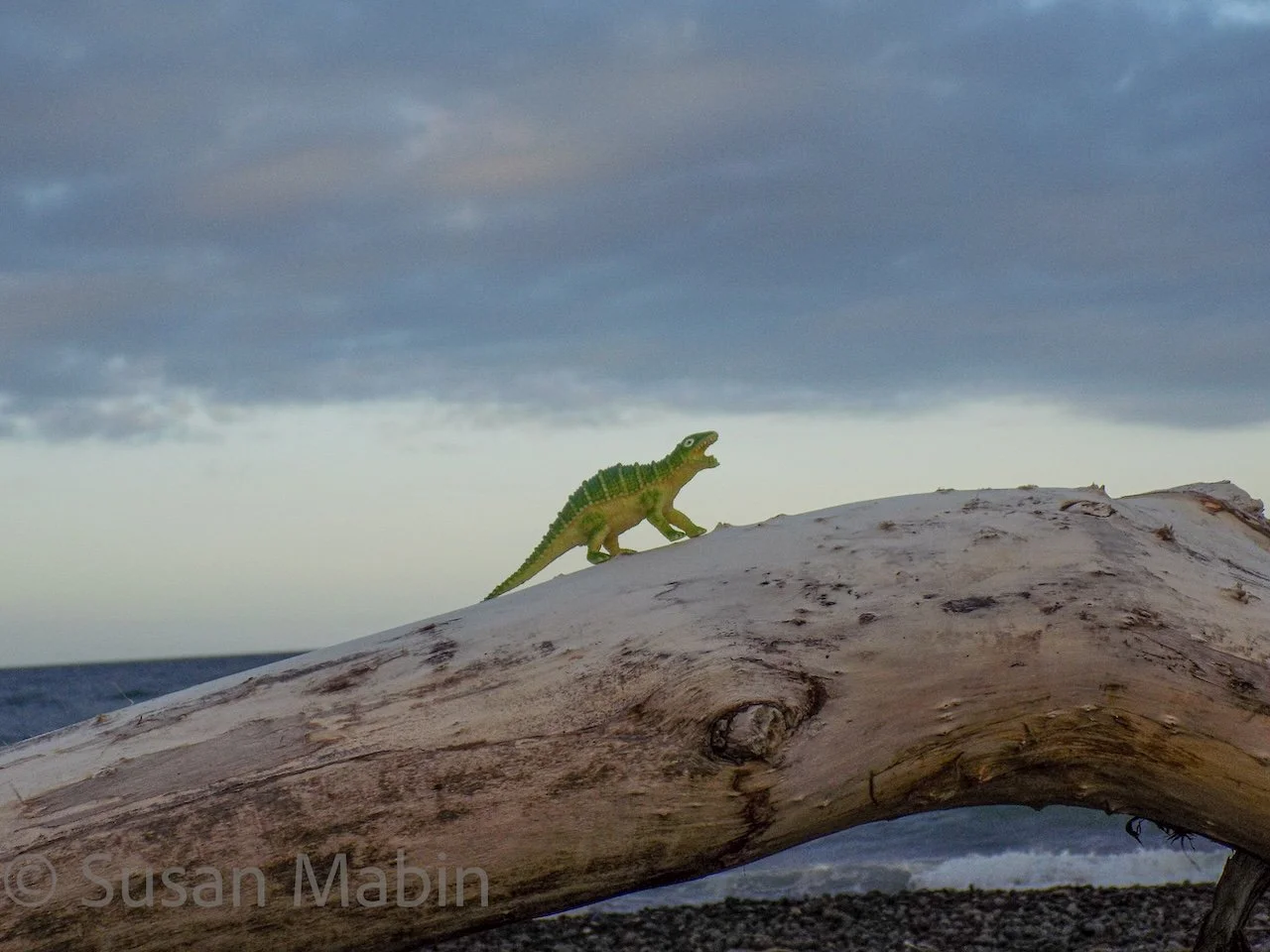
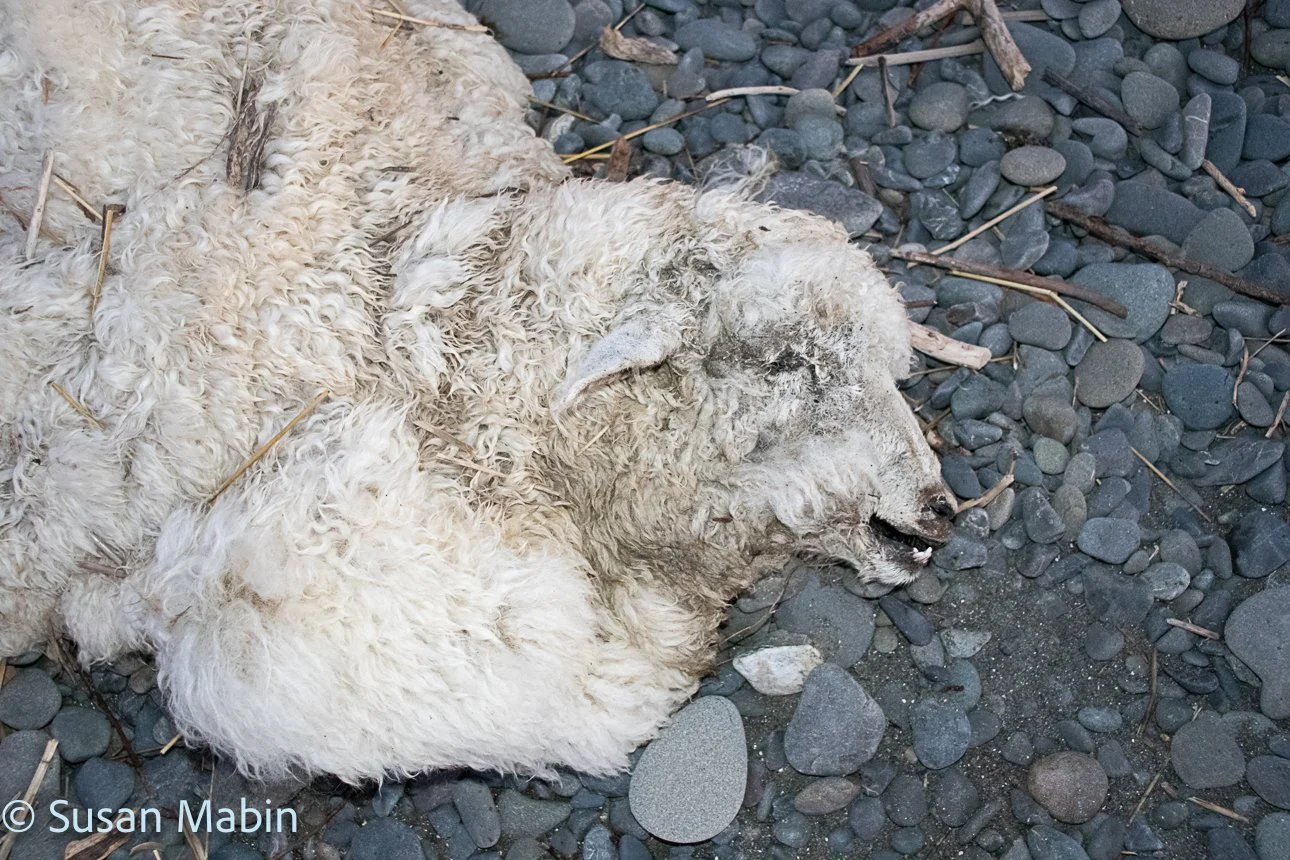
Shaun the sheep goes exploring.
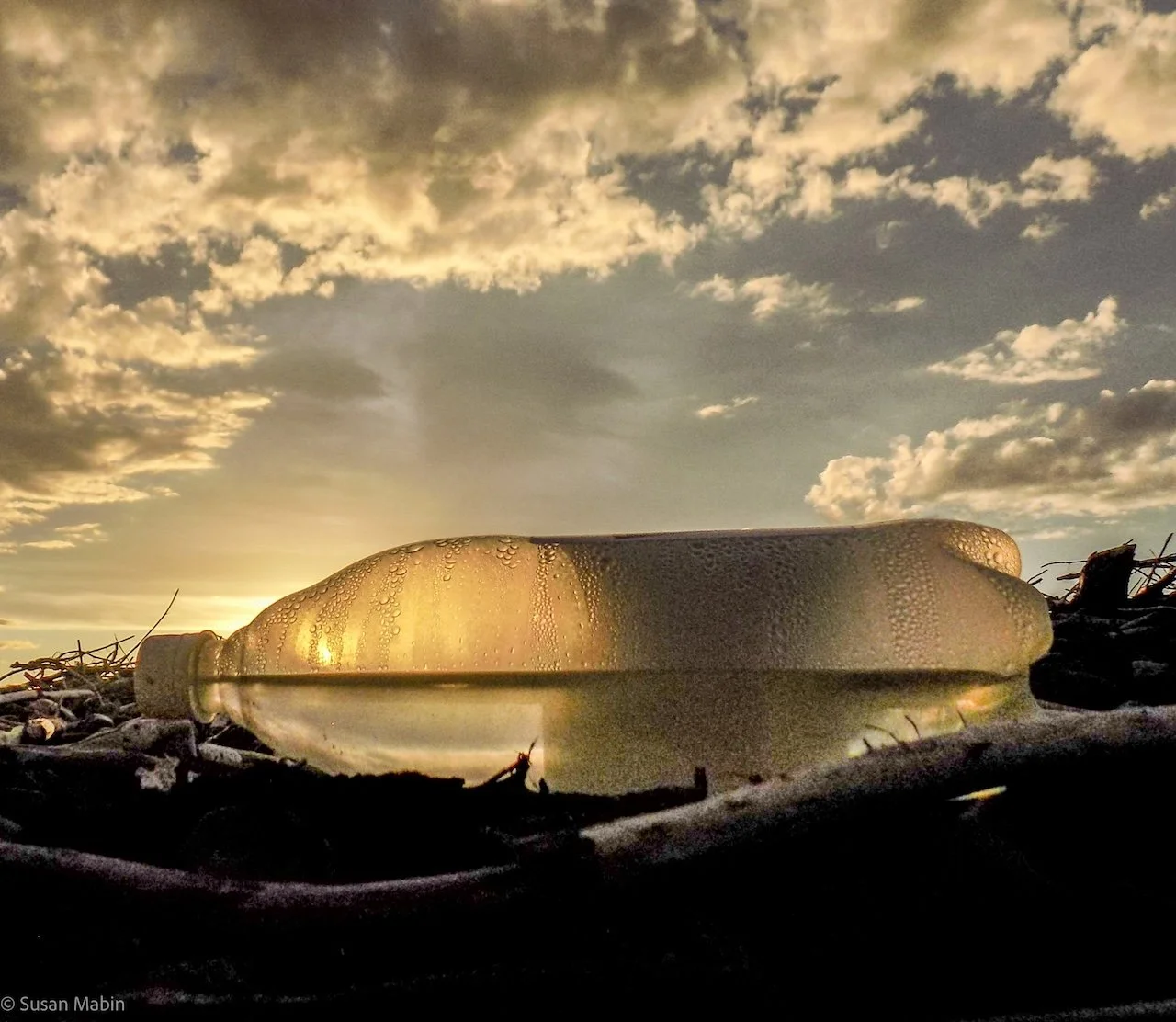
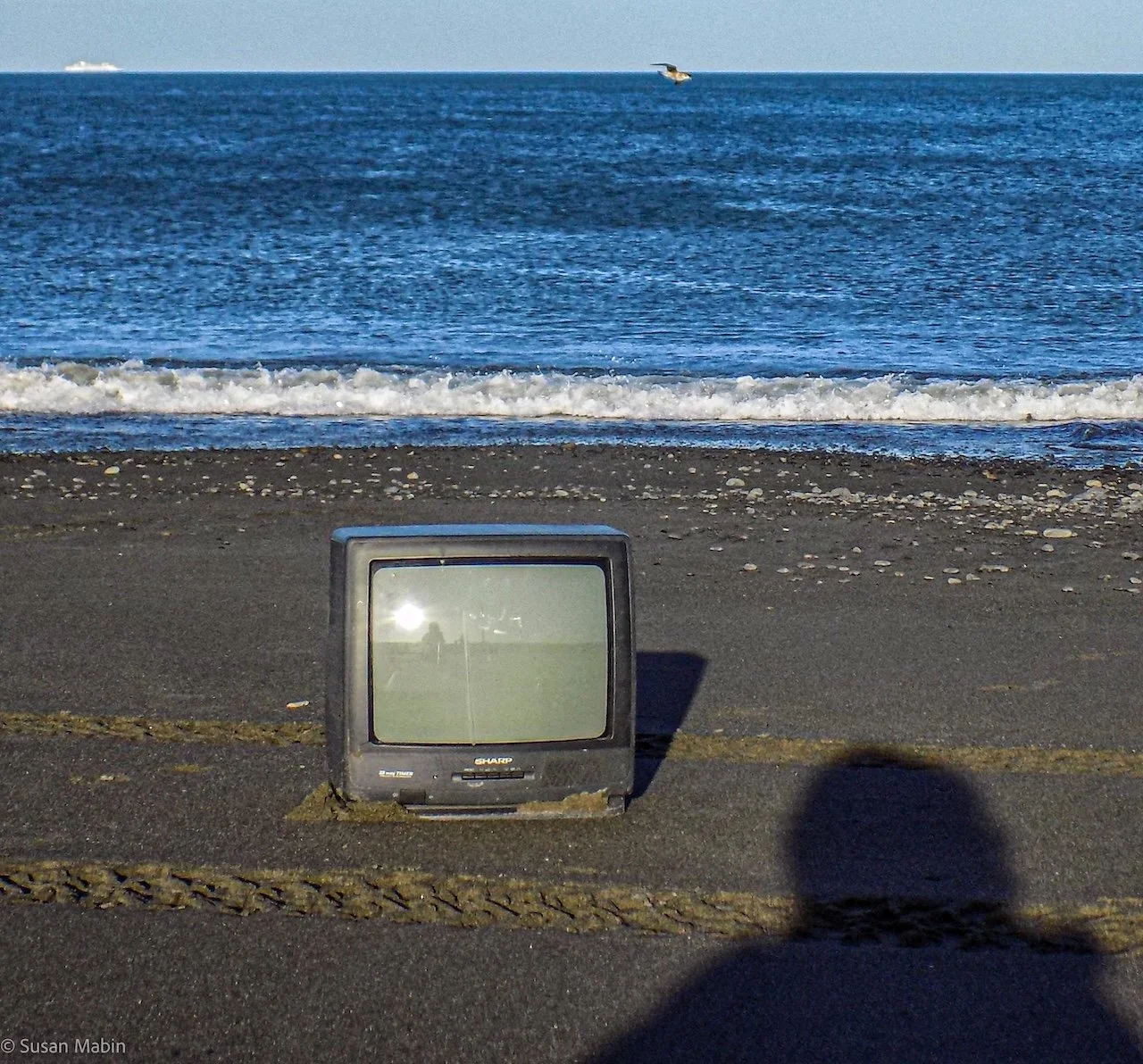
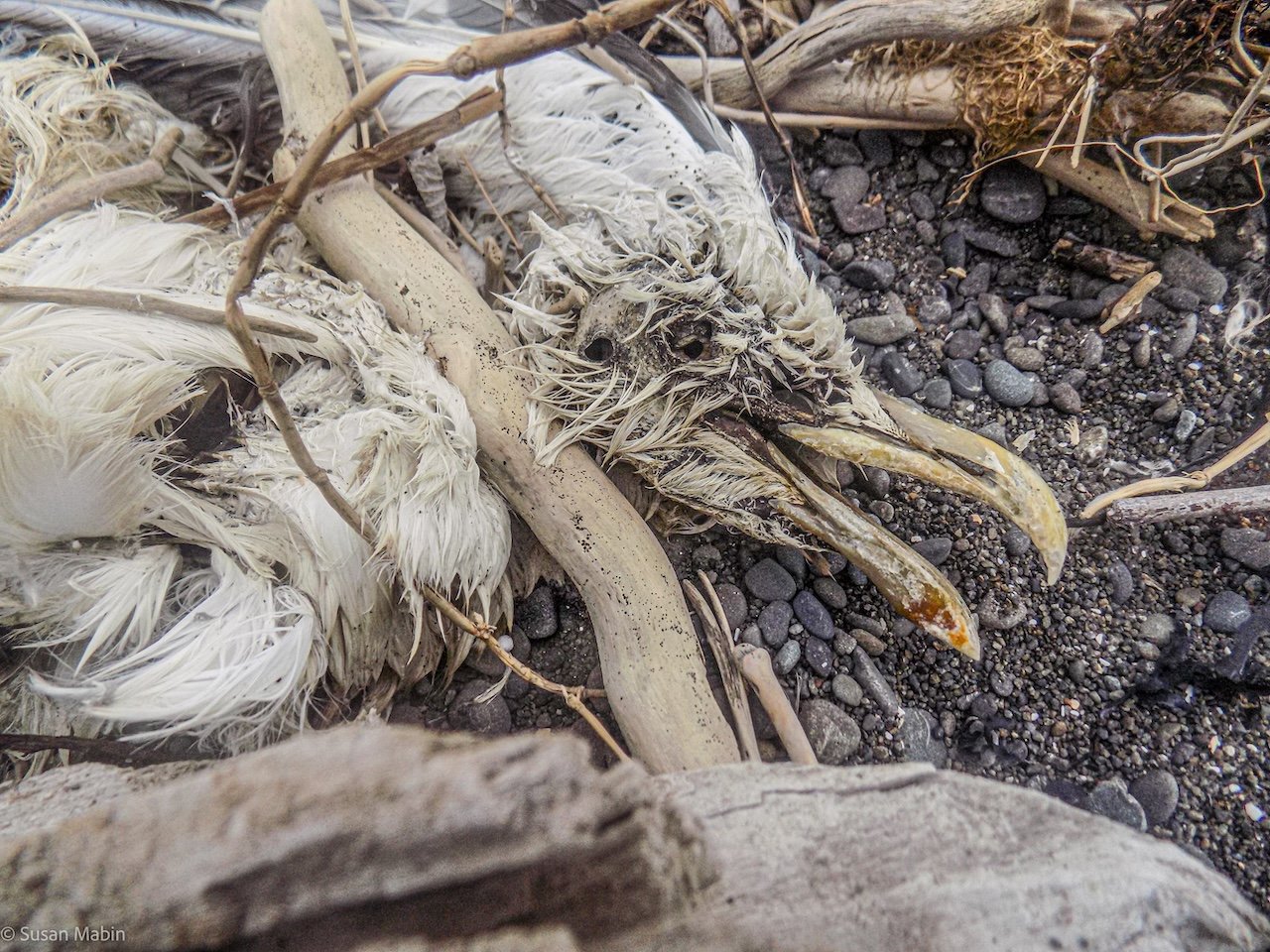
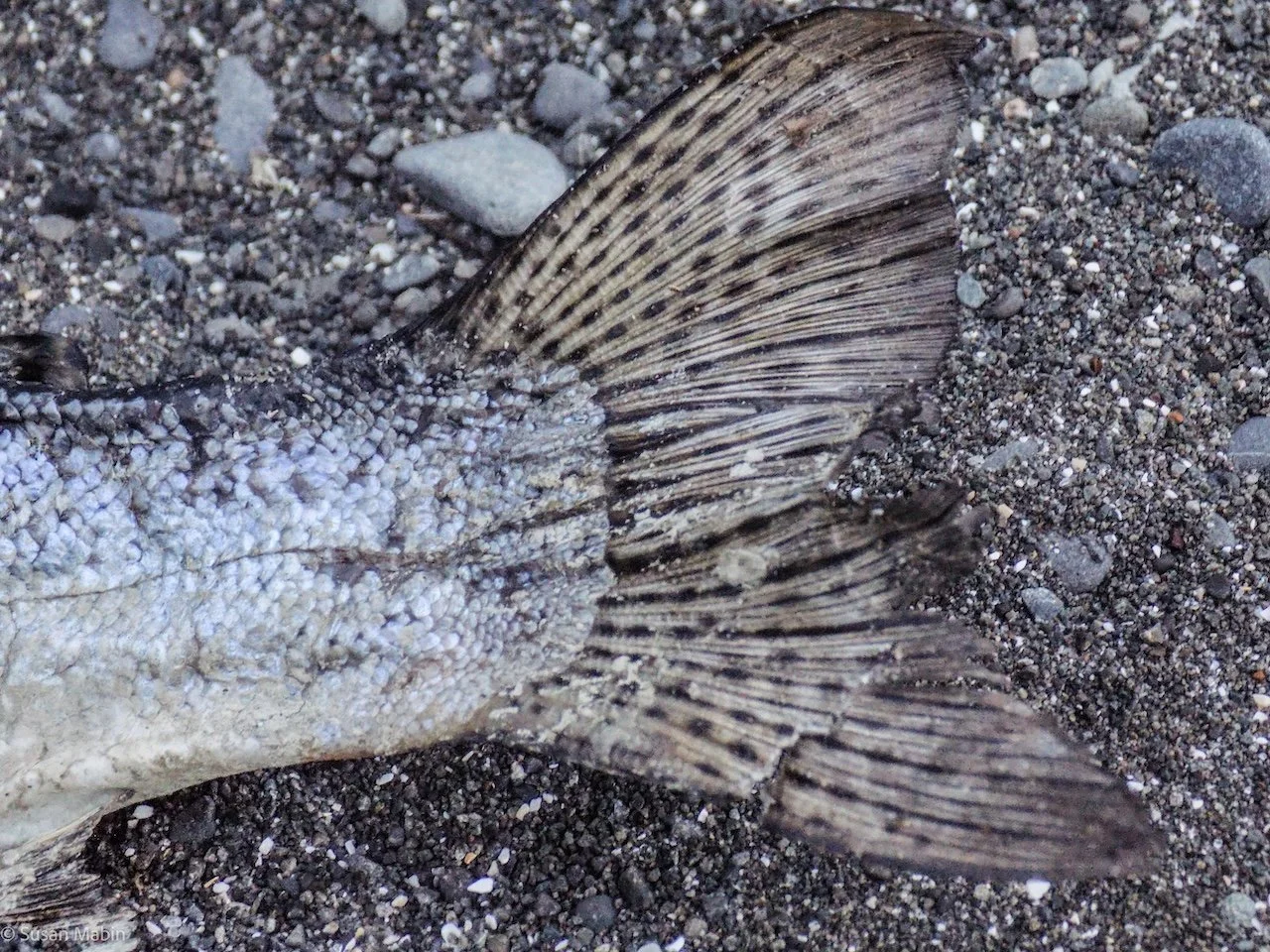
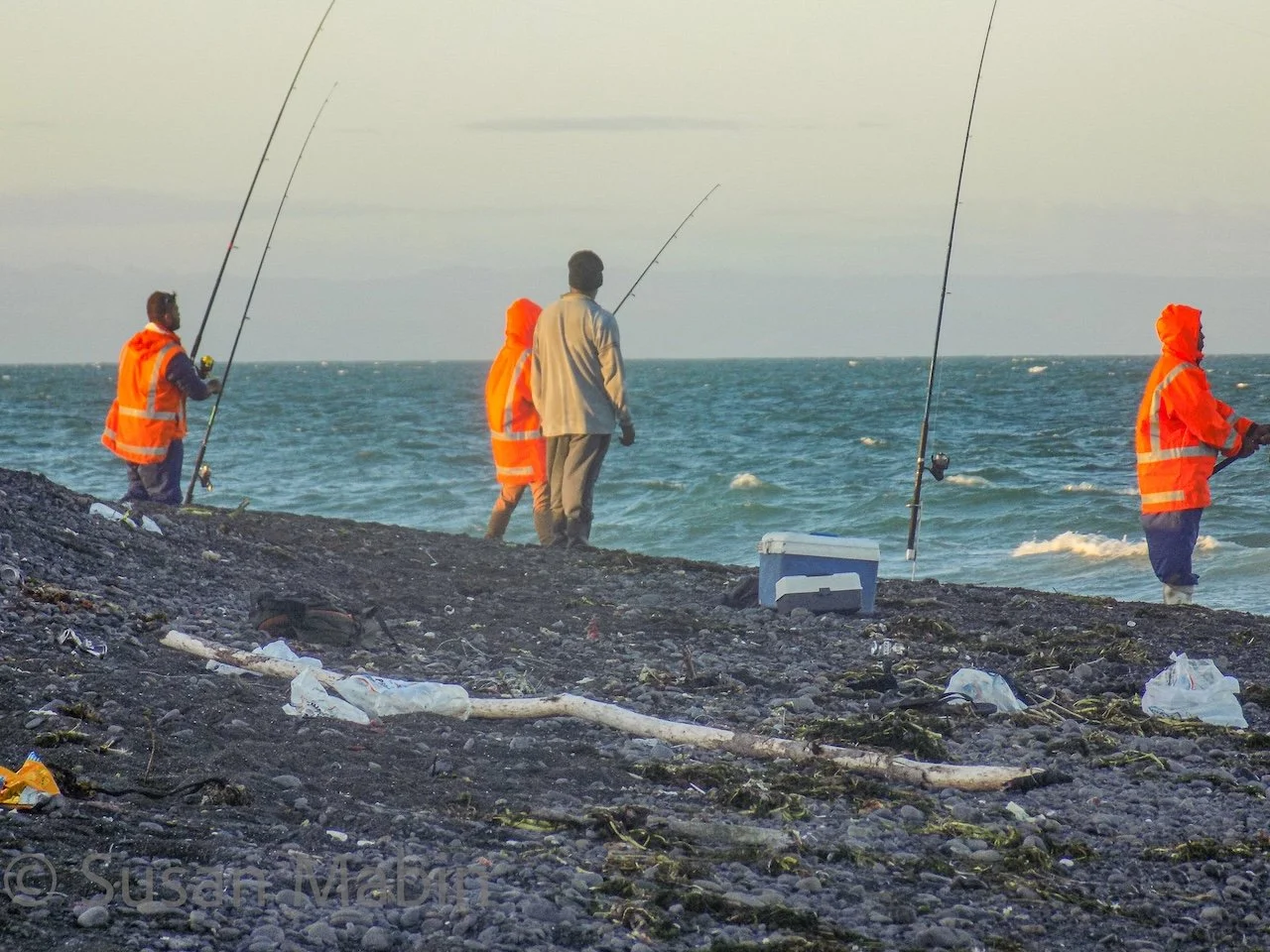
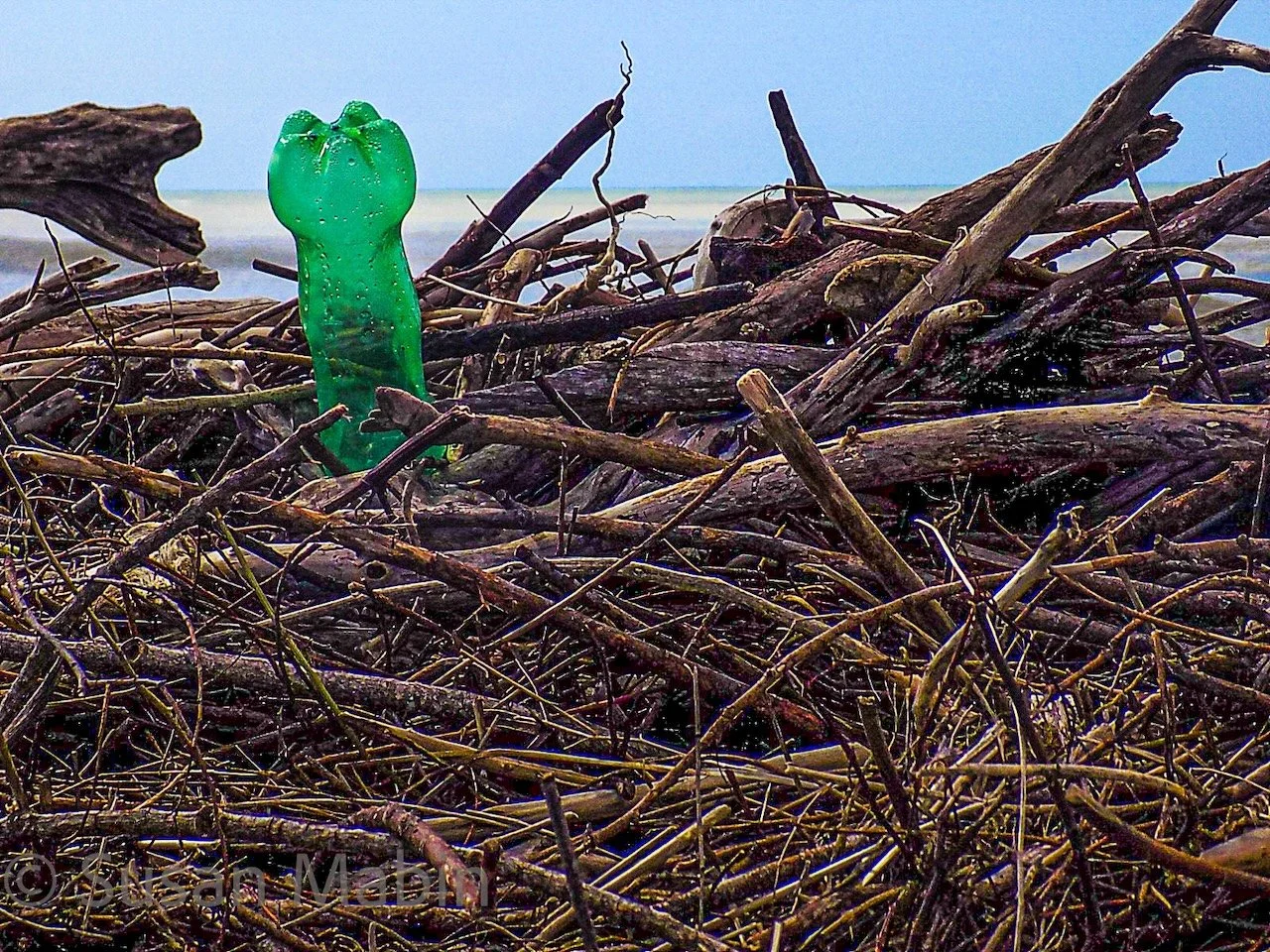
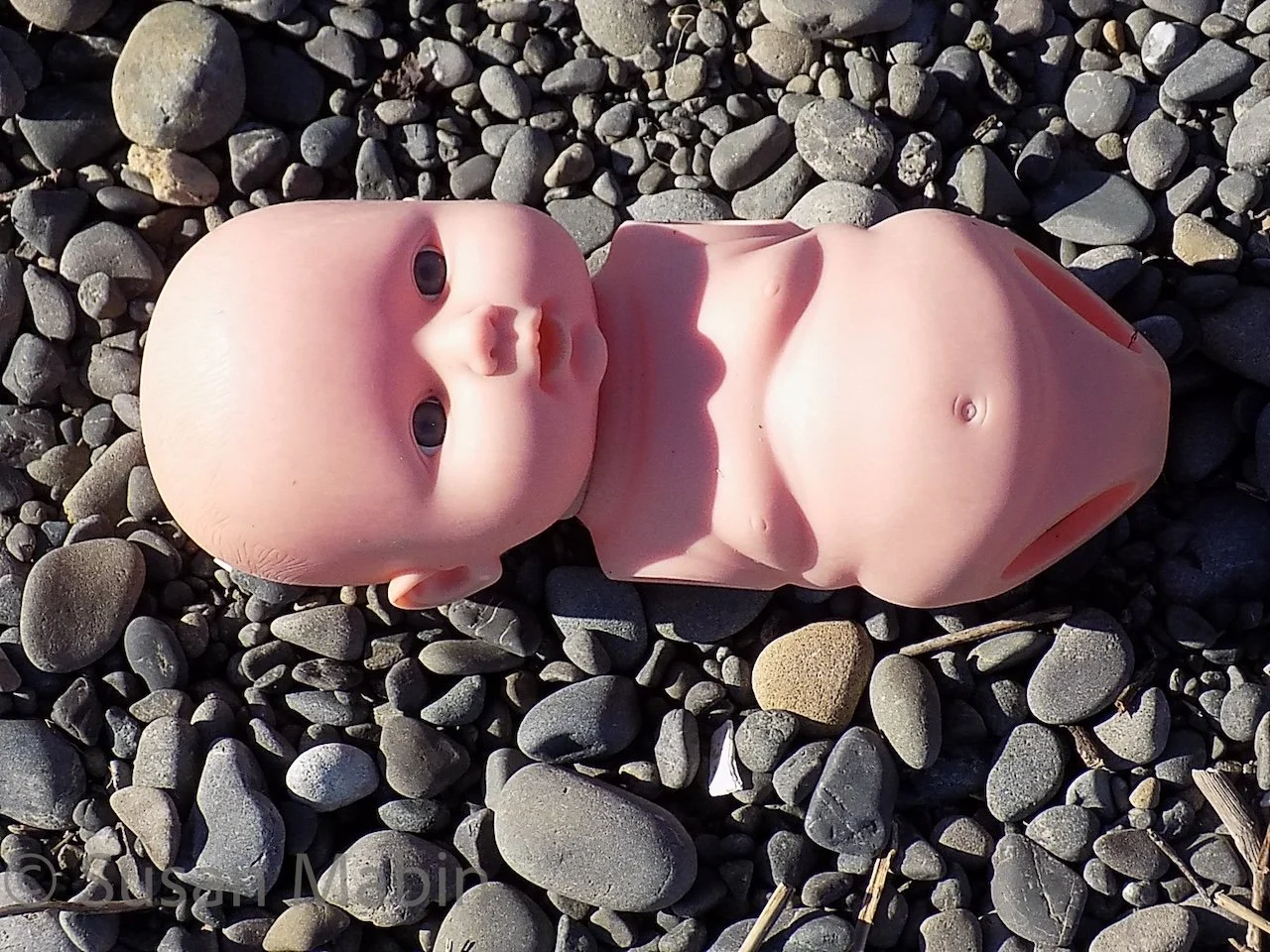
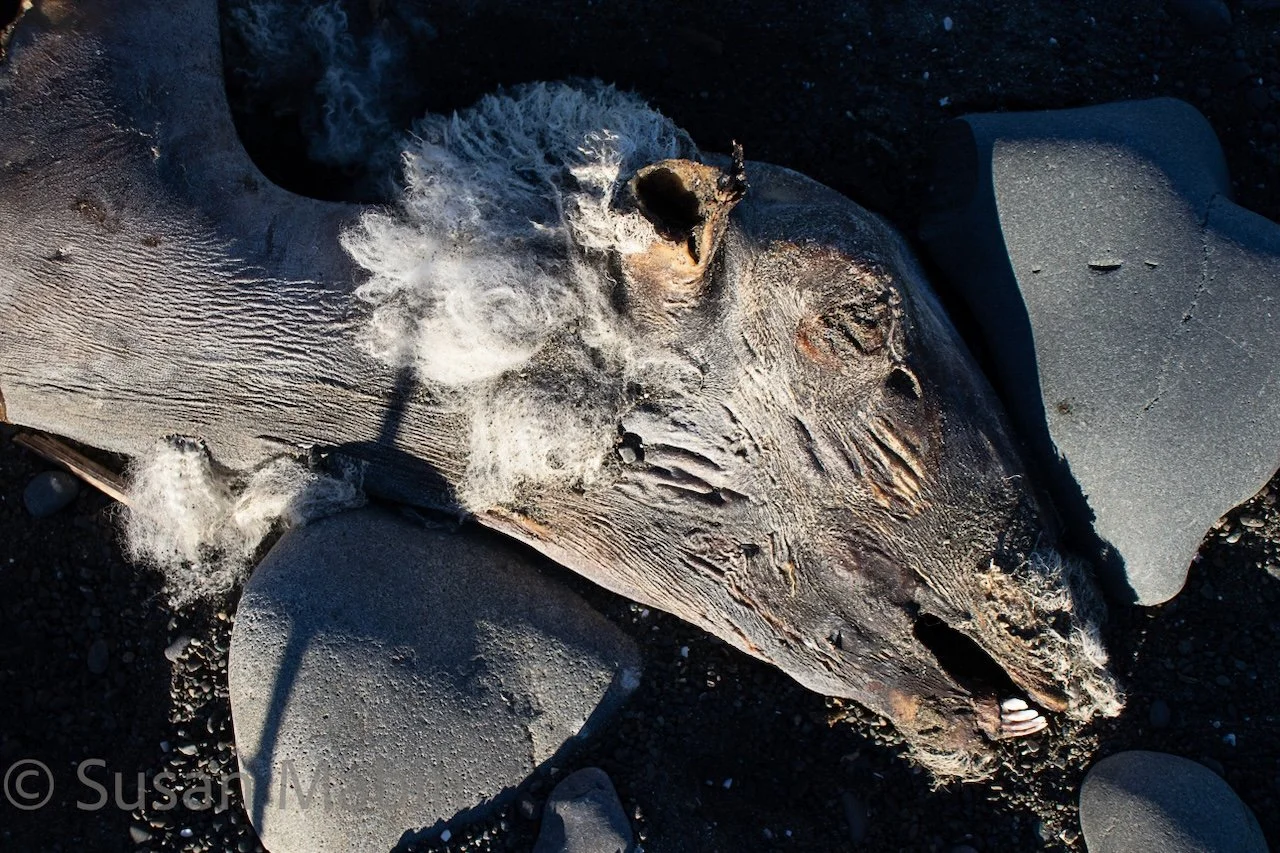
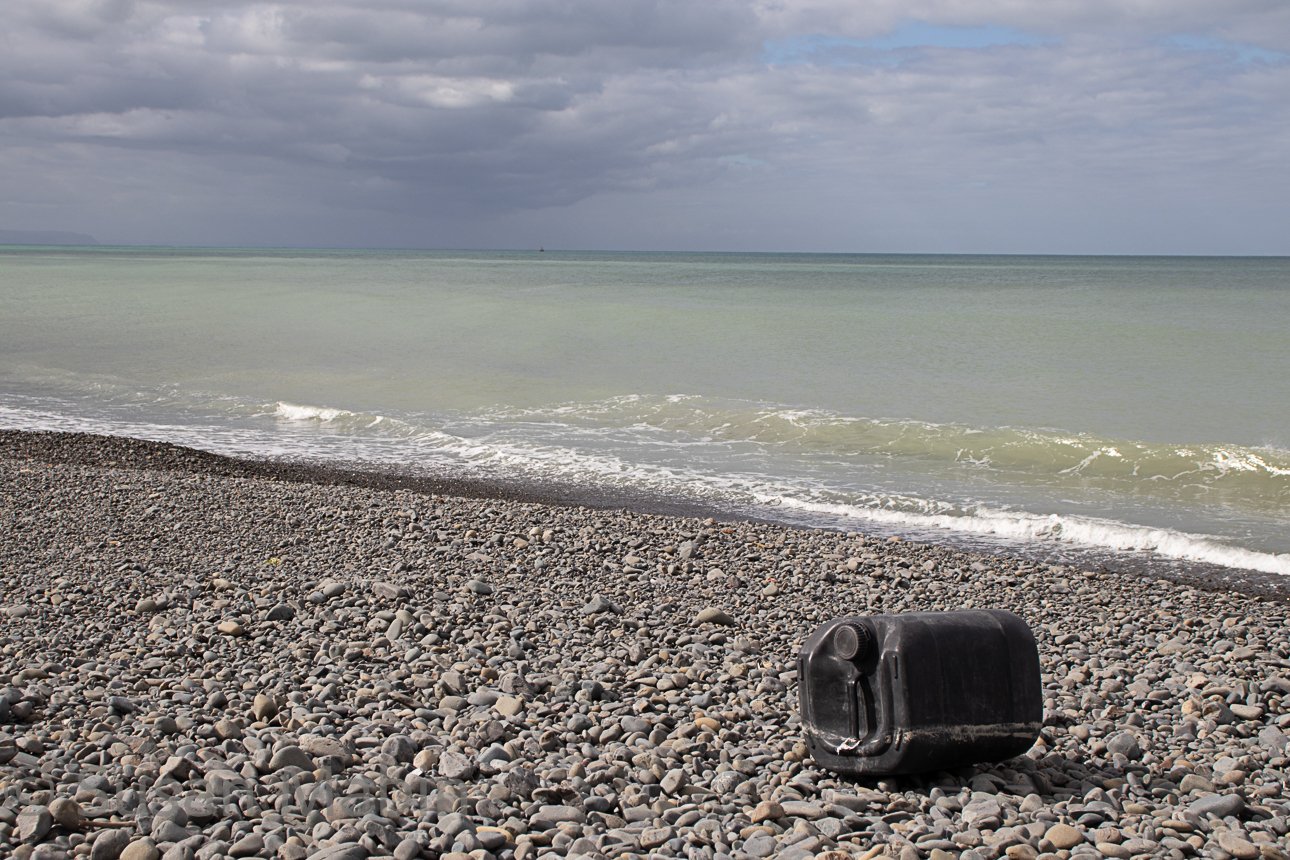
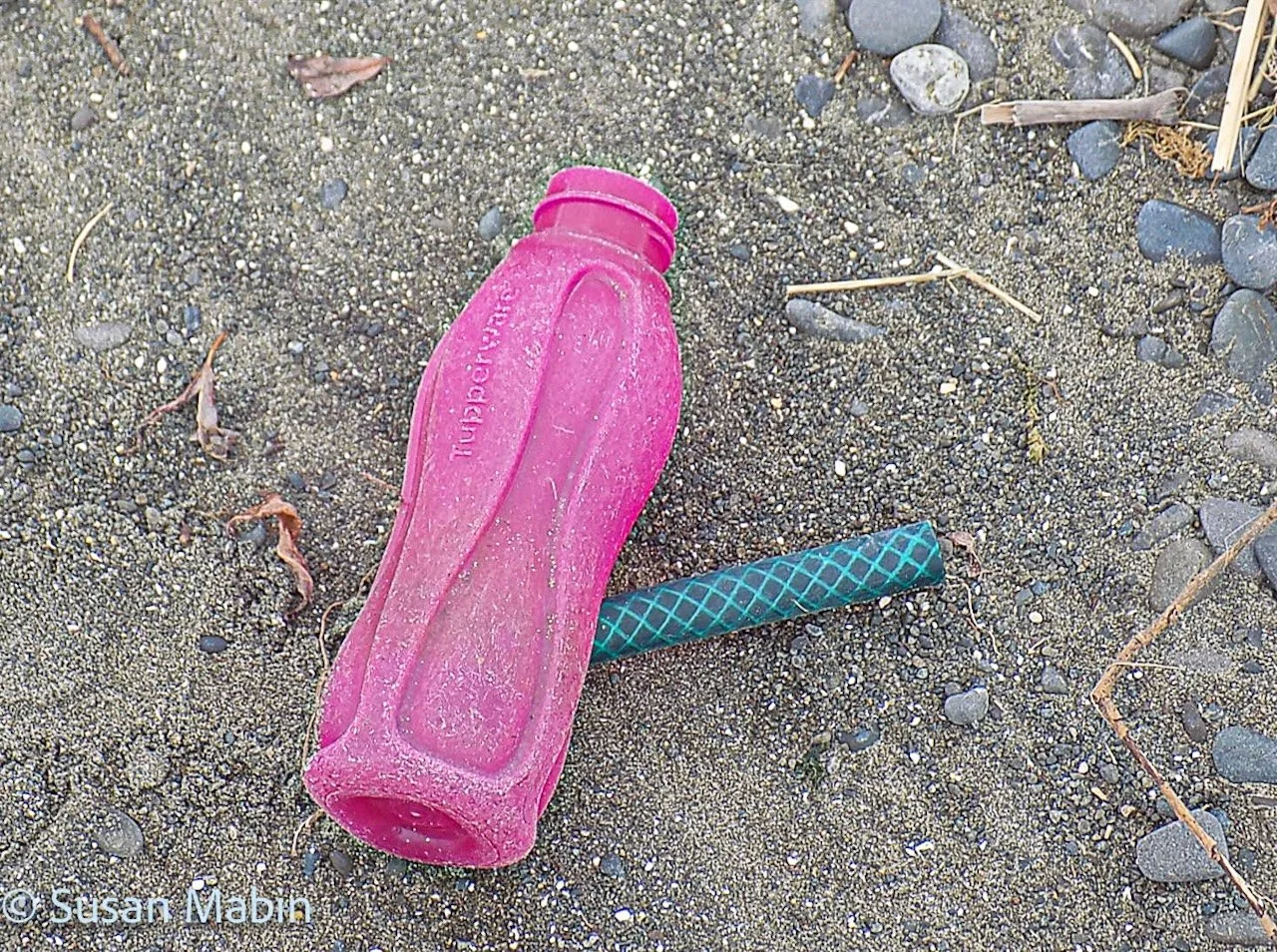
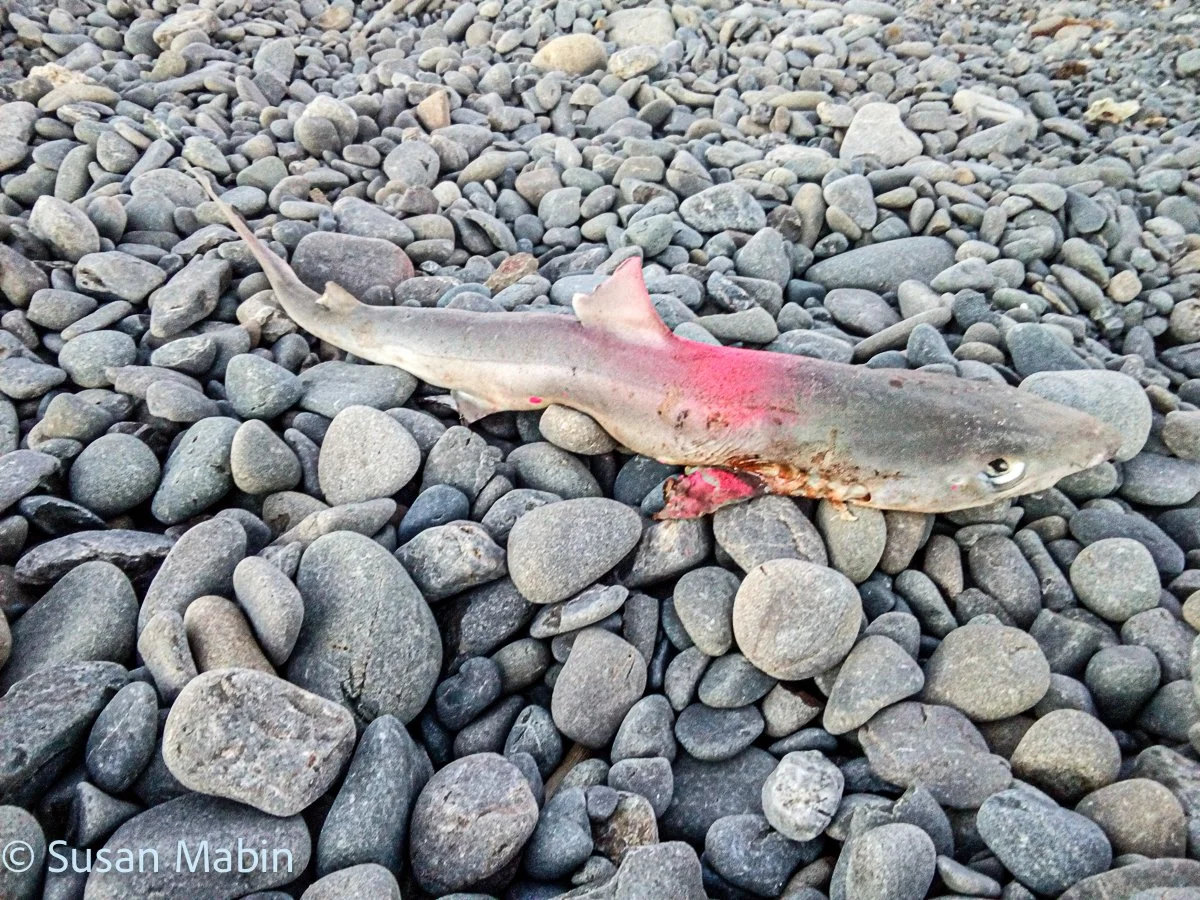
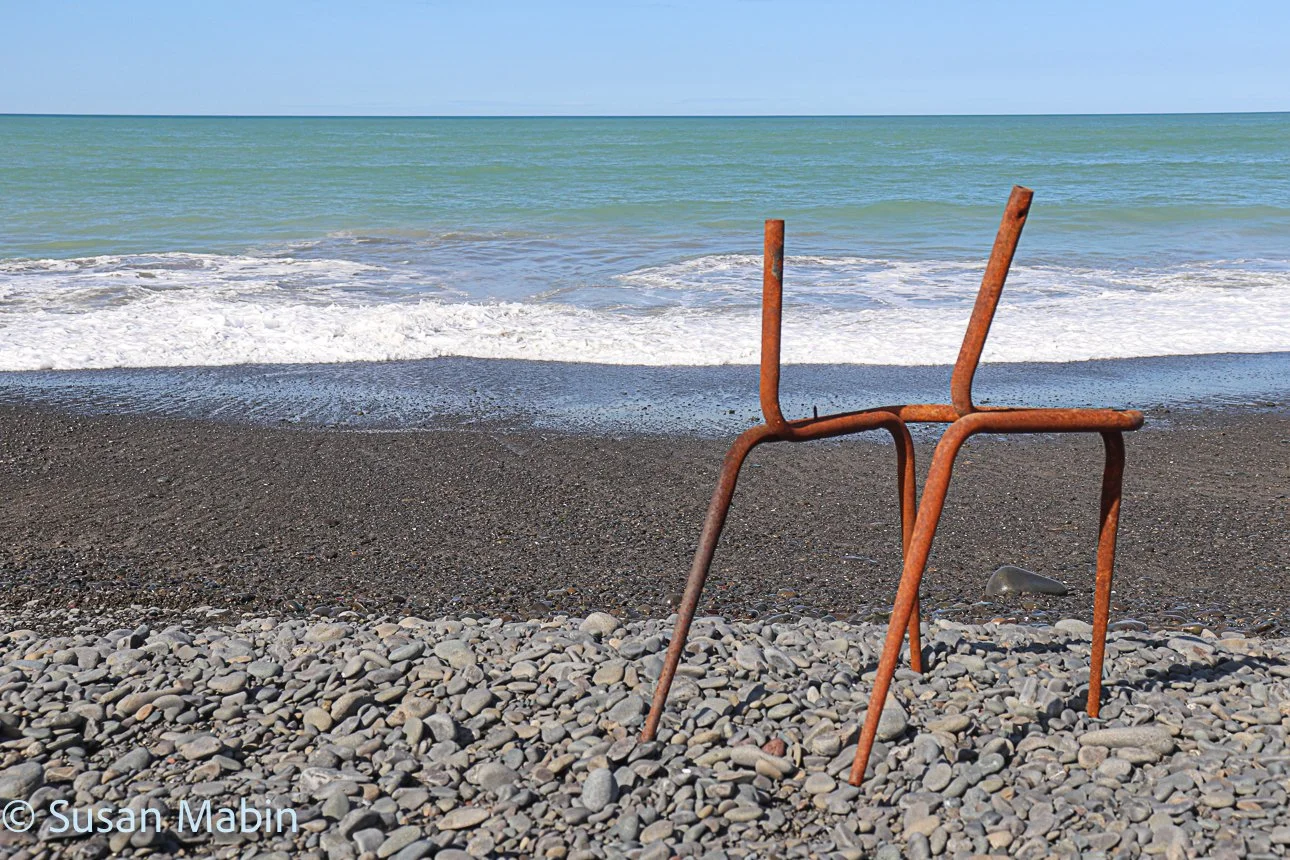
I set myself a boundary of 100m on a piece of the coast and collected objects within that boundary and then took these back to the studio for cleaning and creating with. Whilst collecting, I took photos of the environment and of things as found, on the beach. I consequently have several different photographic series which I call the ‘Unhome’ series, and within that I have sub-series of beach chairs, fish out of water, traces, (mostly man and creature marks in the sand, and my own shadow), bottles, sheep and toys. With these photos there is a ‘disjunct’ between the postcard ideal and the things we would rather not see.
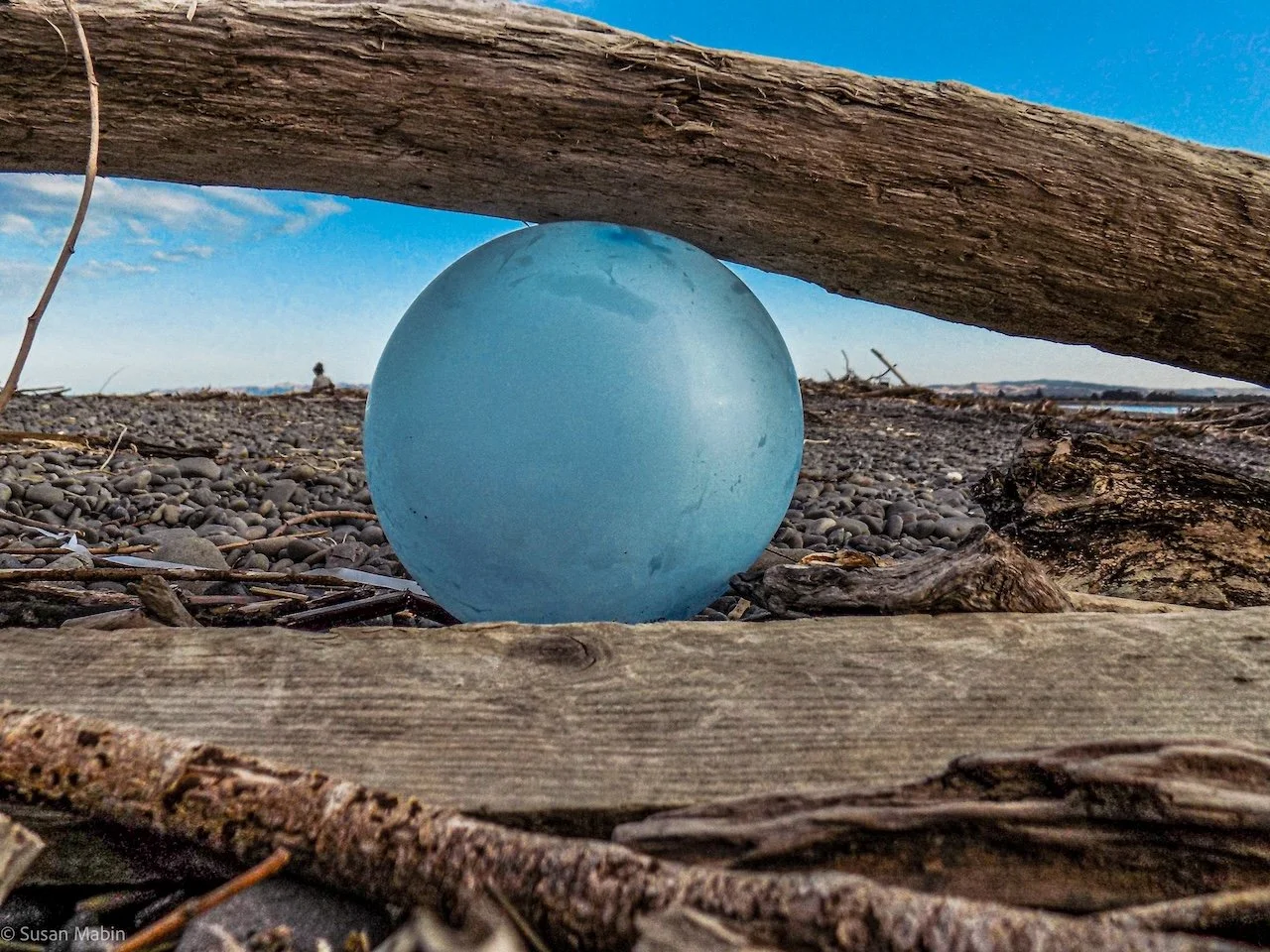
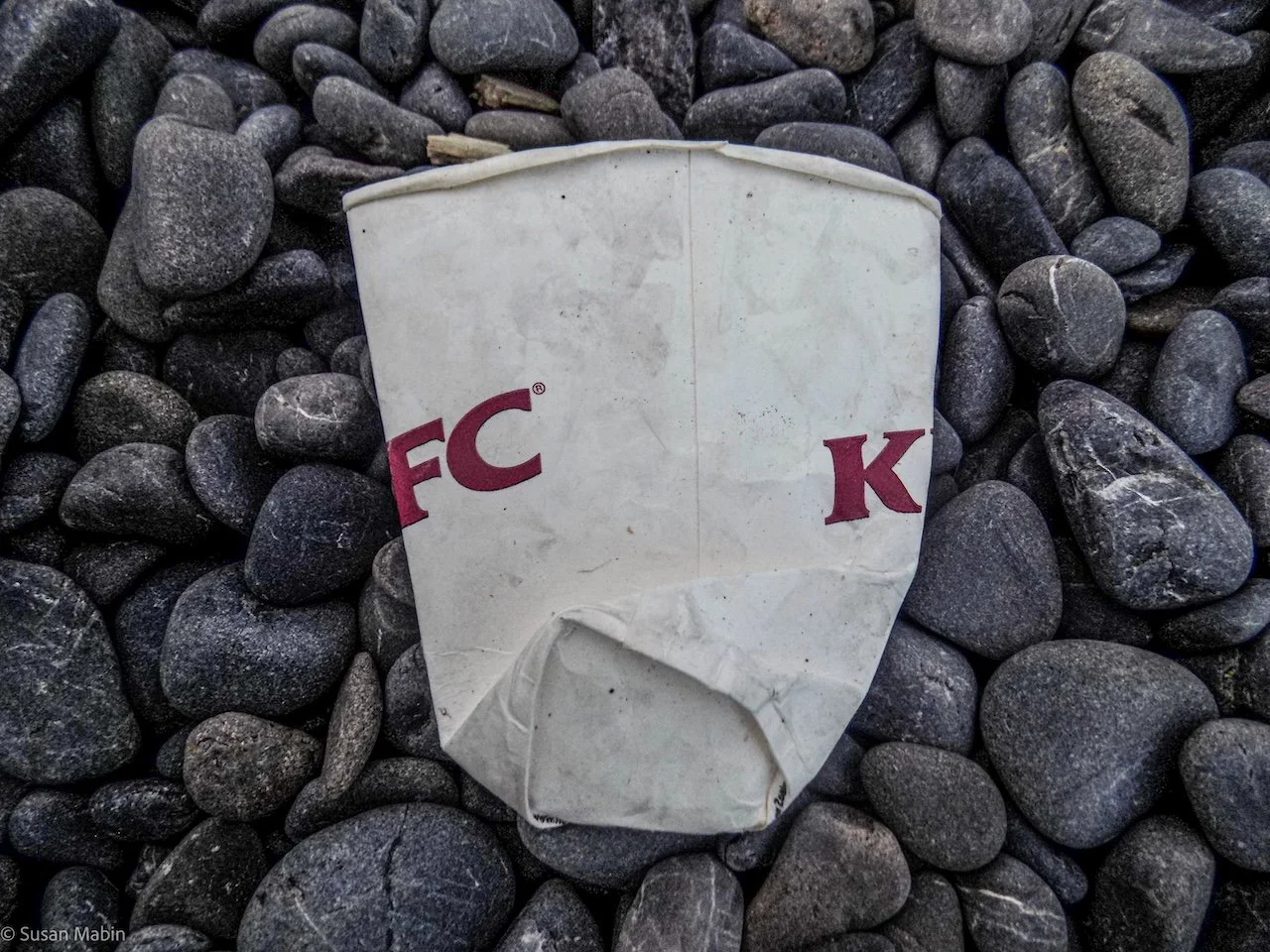
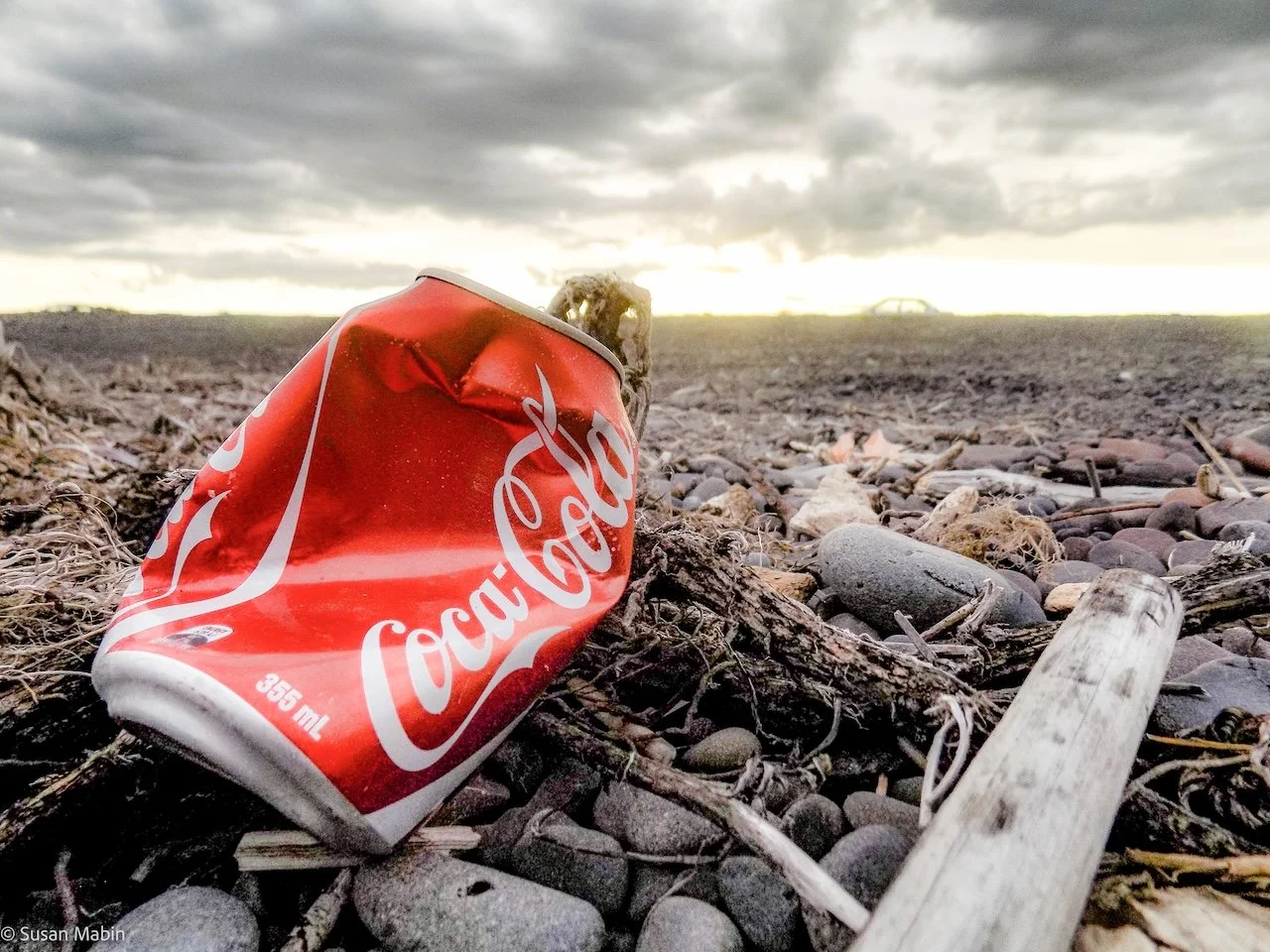
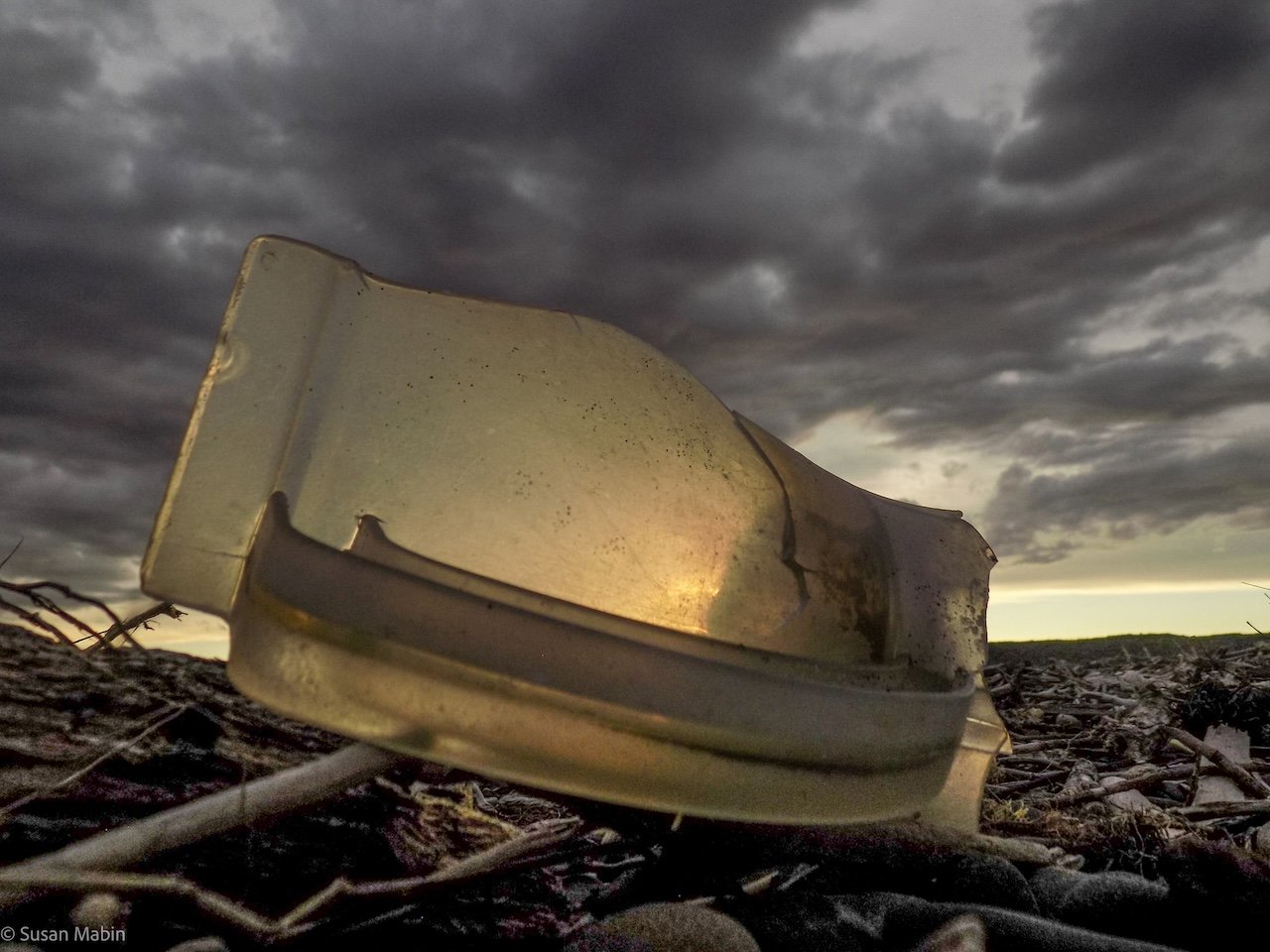
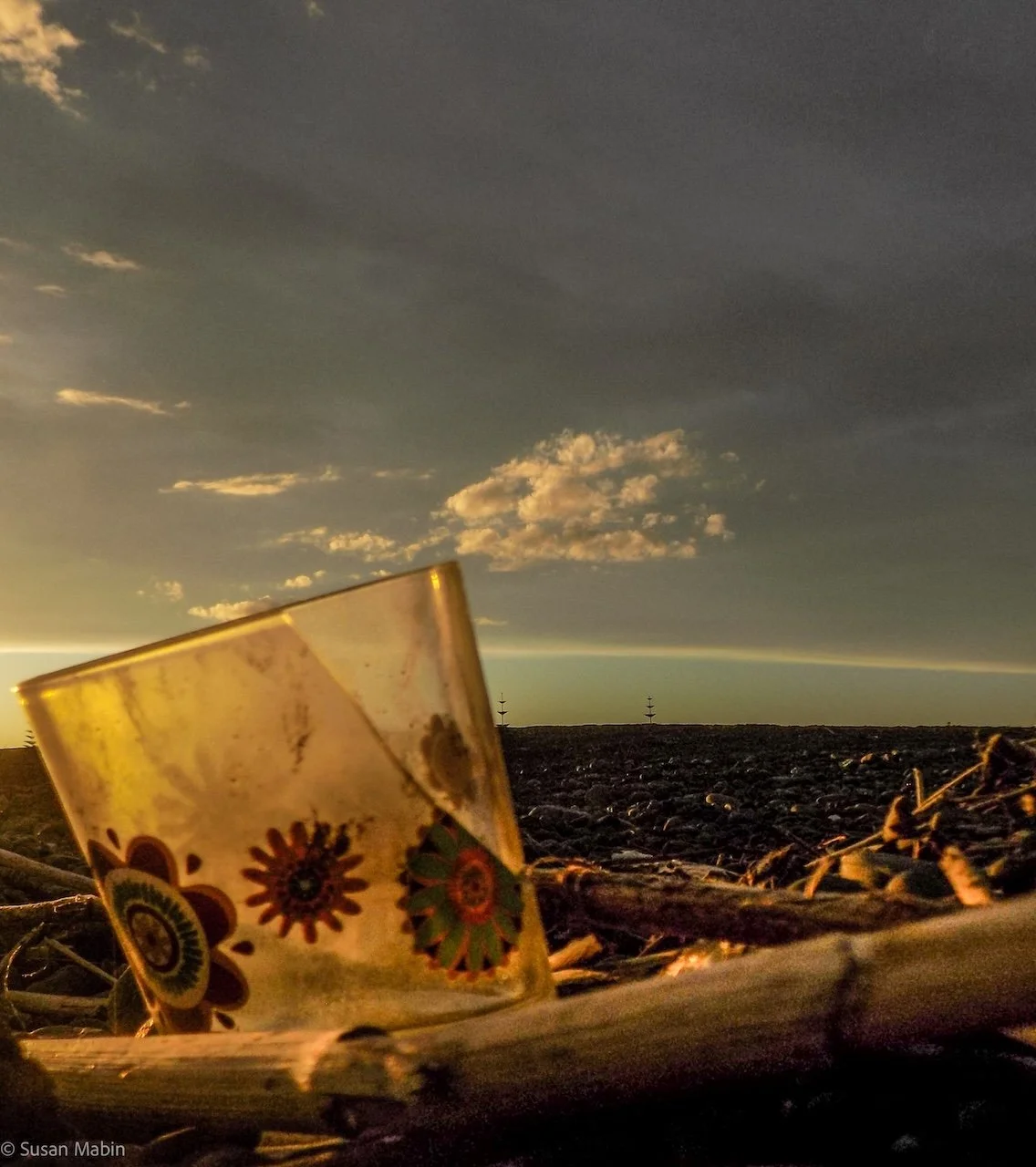
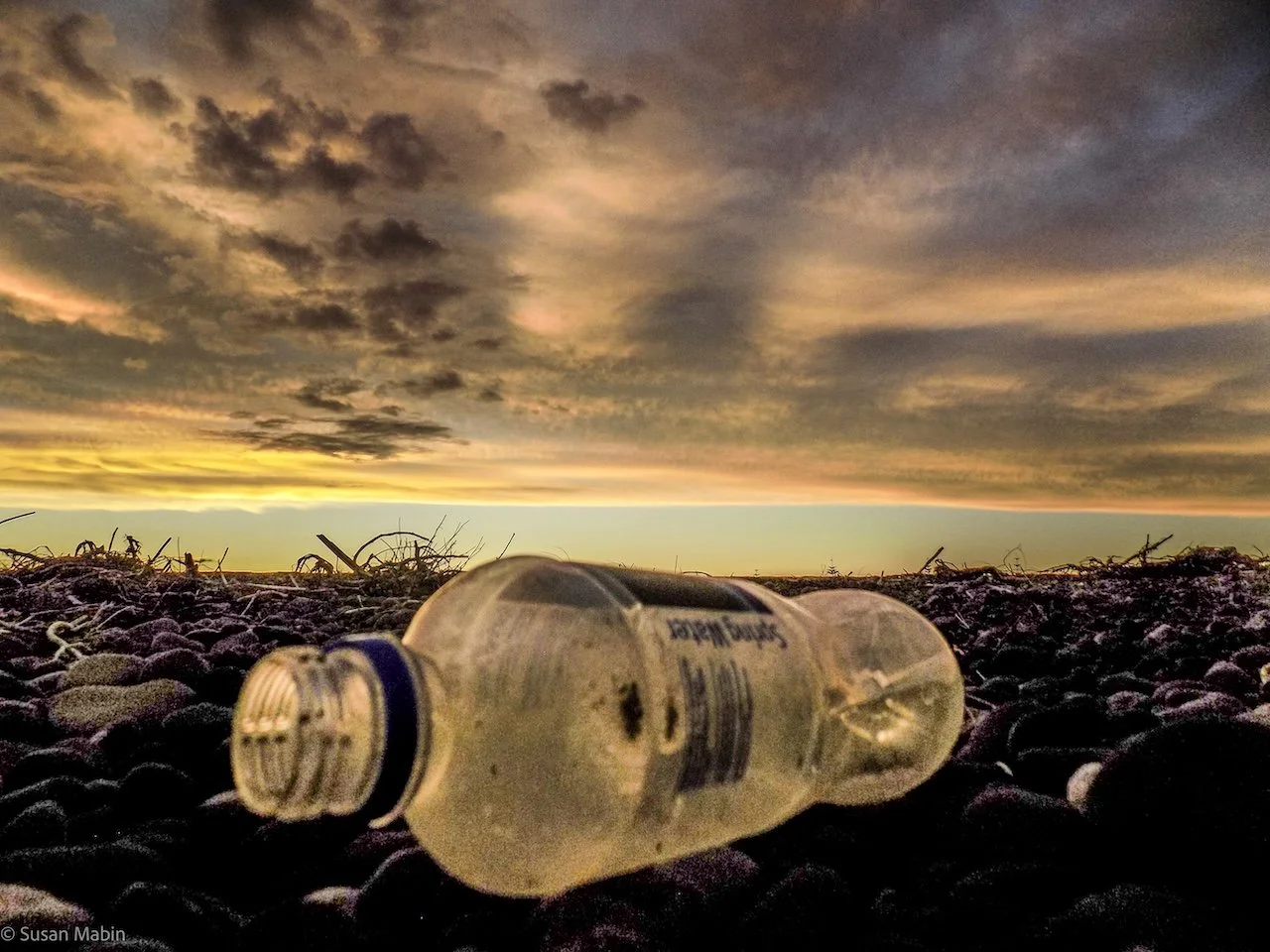
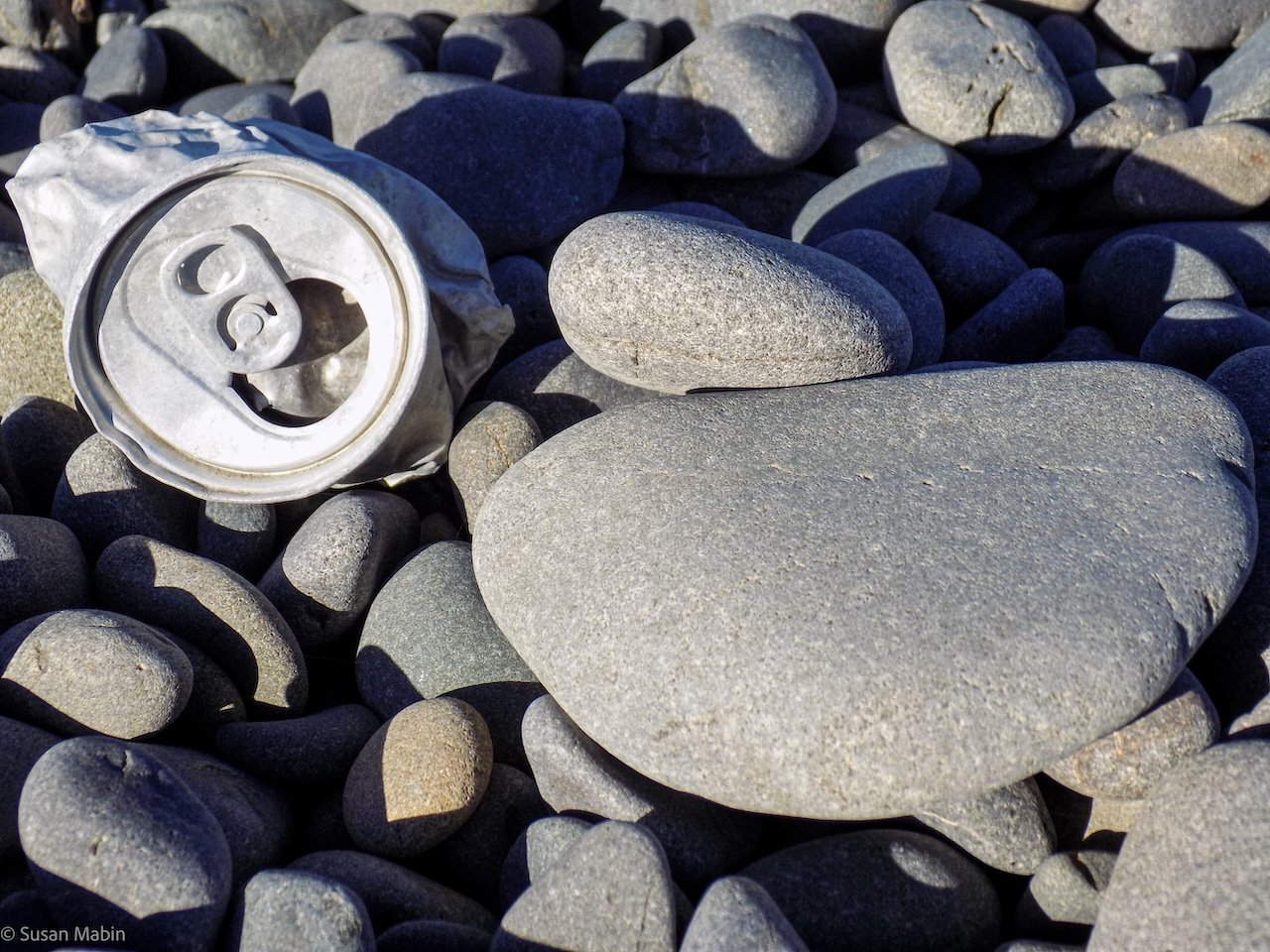
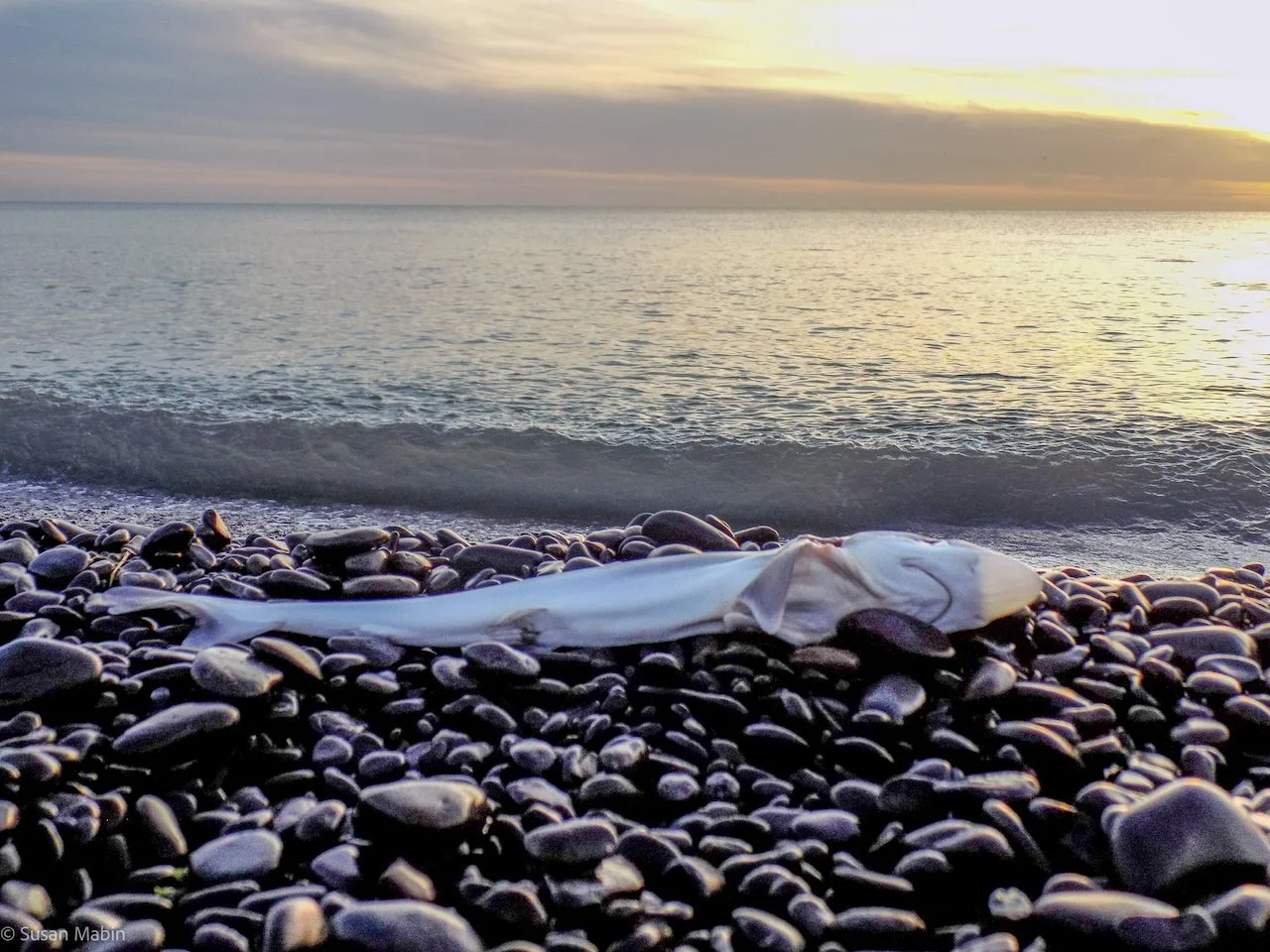
Fish out of water. 2016.
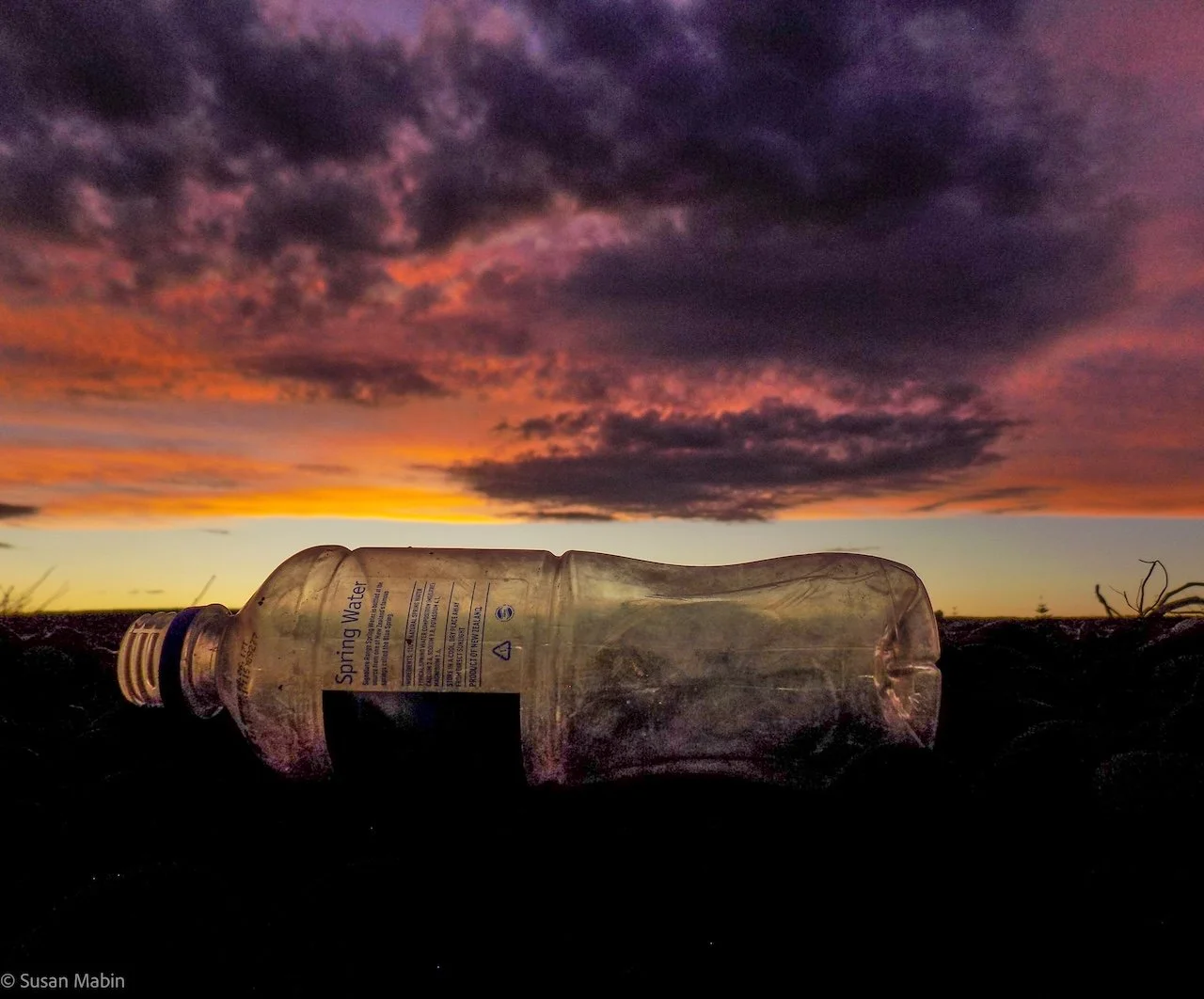
Spring Water. 2016. The irony that humans are now drinking ‘fresh’ spring water from a plastic container that is often discarded into the environment when empty. The bottle shape becomes part of the horizon in this photo.
I enjoy the chance elements, of what is found and how these objects will subsequently come together as sculpture, their own history as an object that they carry into its next form, being playful, and allowing things to happen with what already exists. There is an environmental undertone to the sculptures, due to the nature of what I find and where it is found. Below is some of the sculpture and small installation work made in 2016.
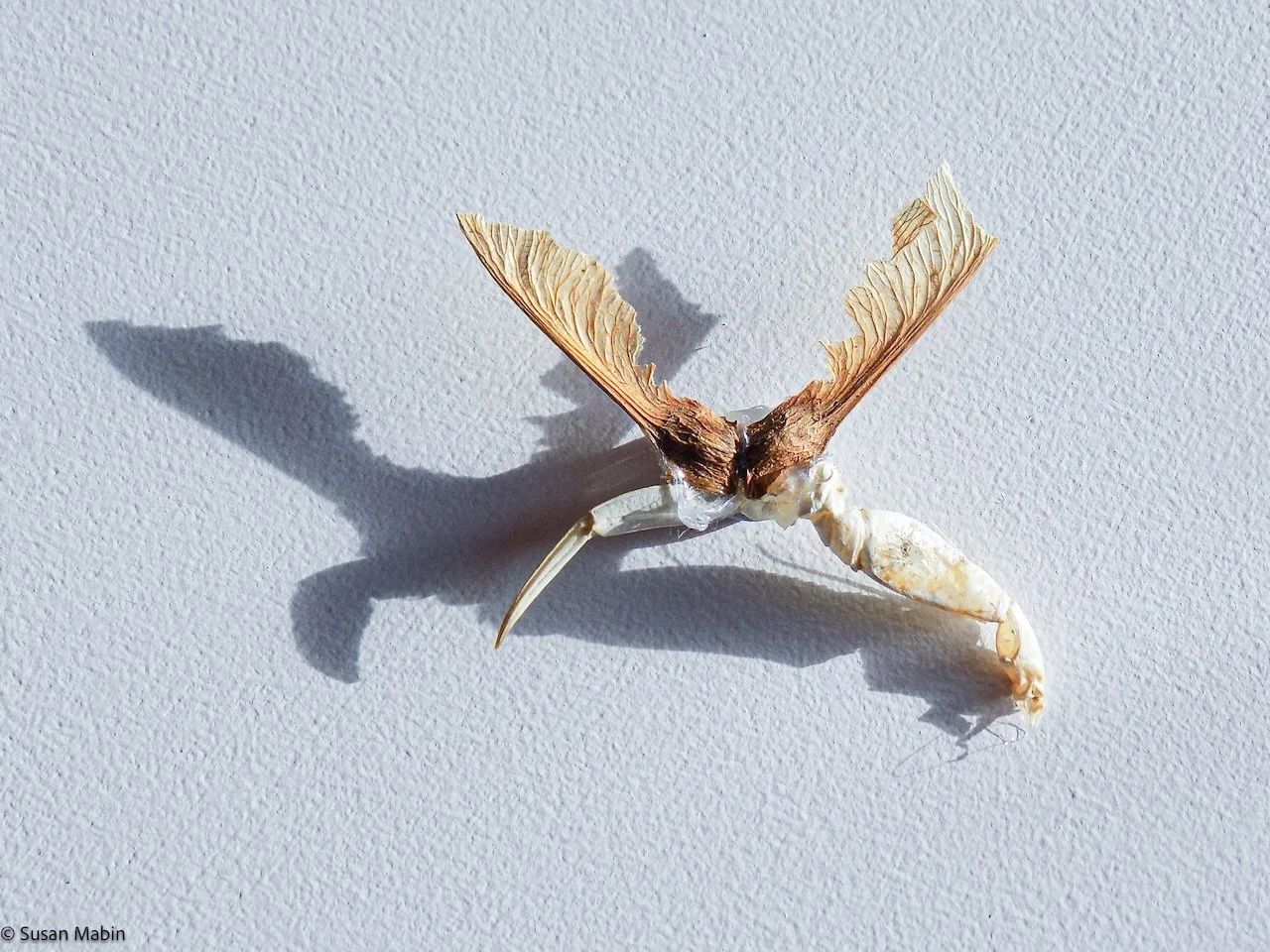
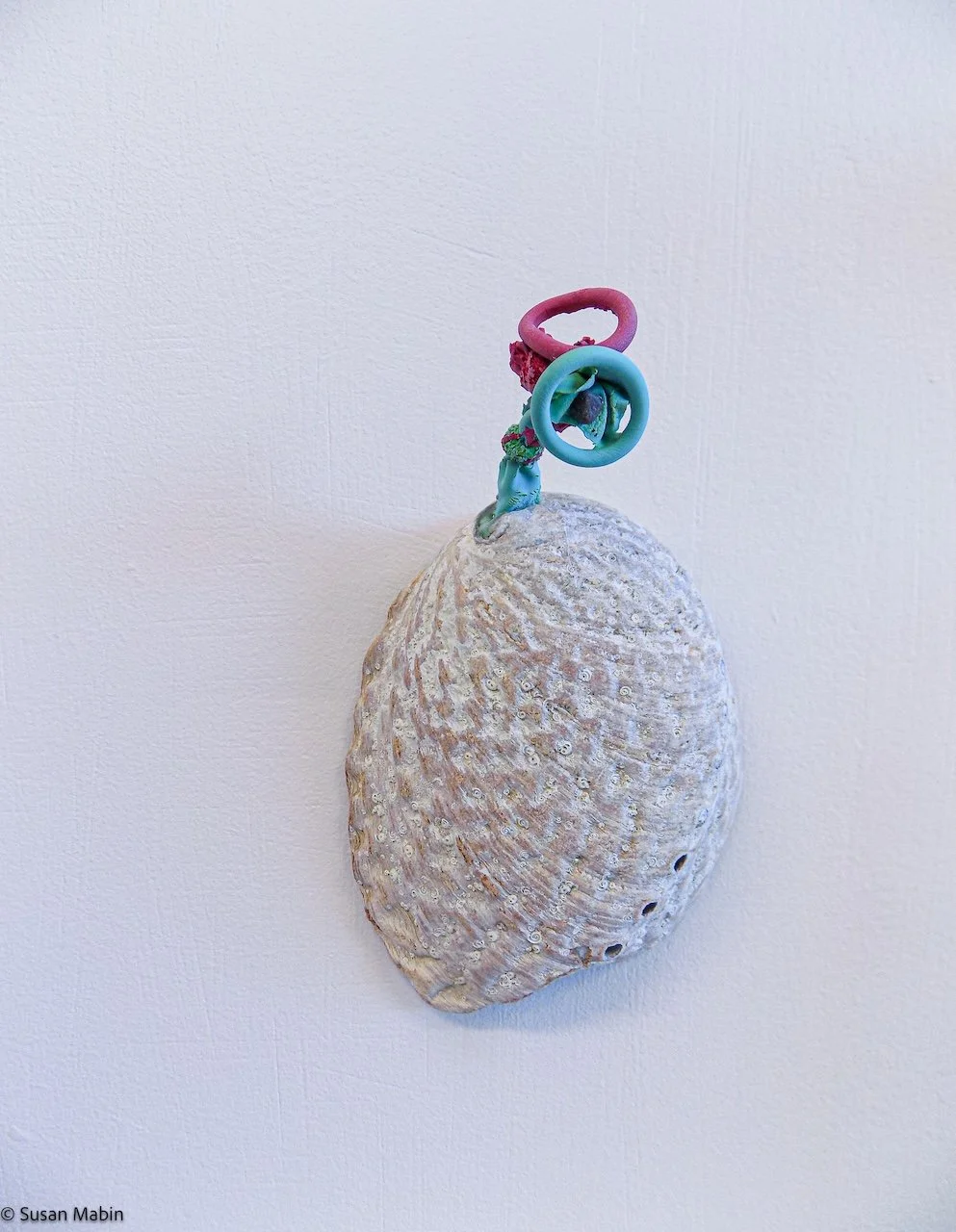
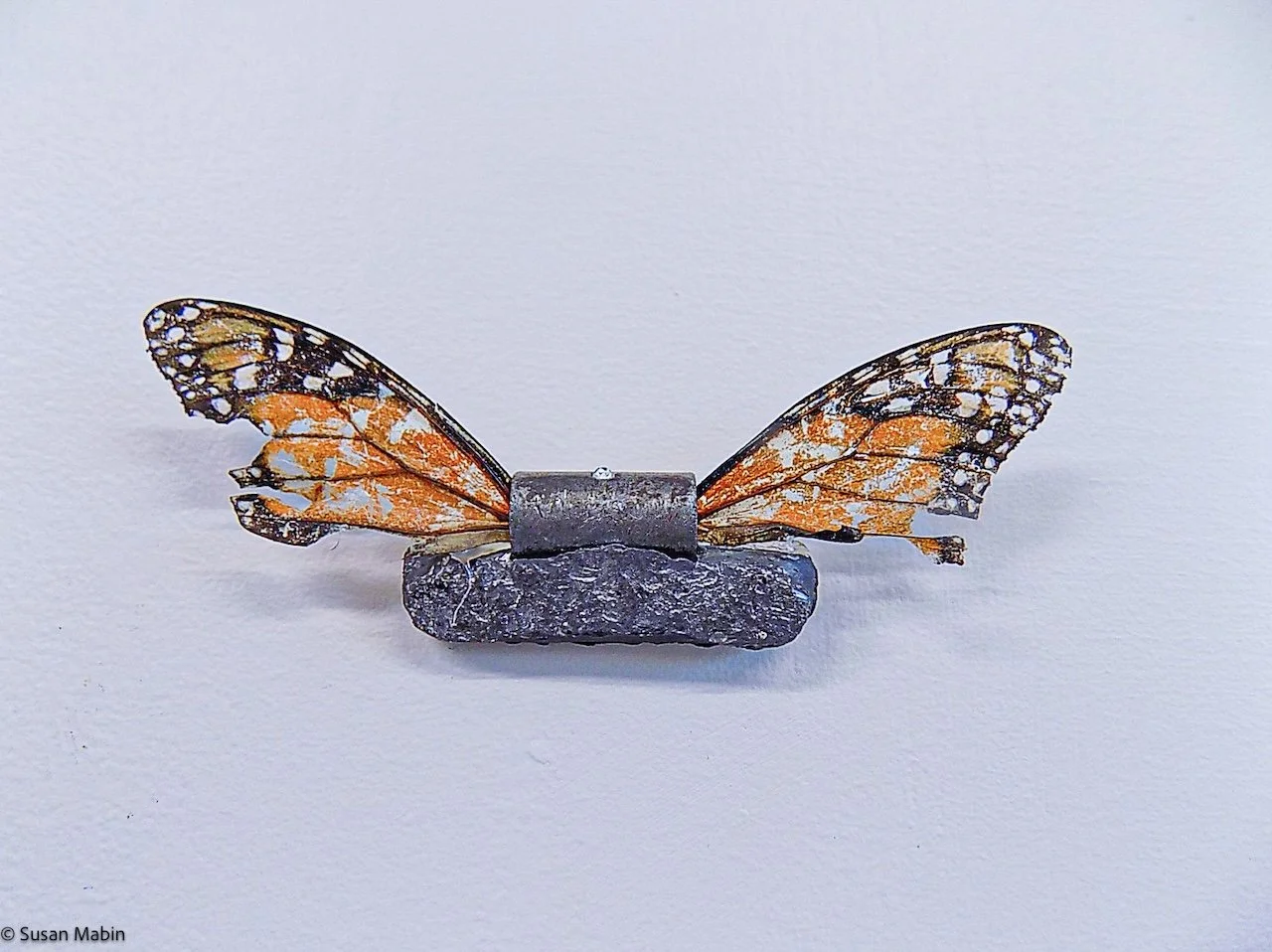
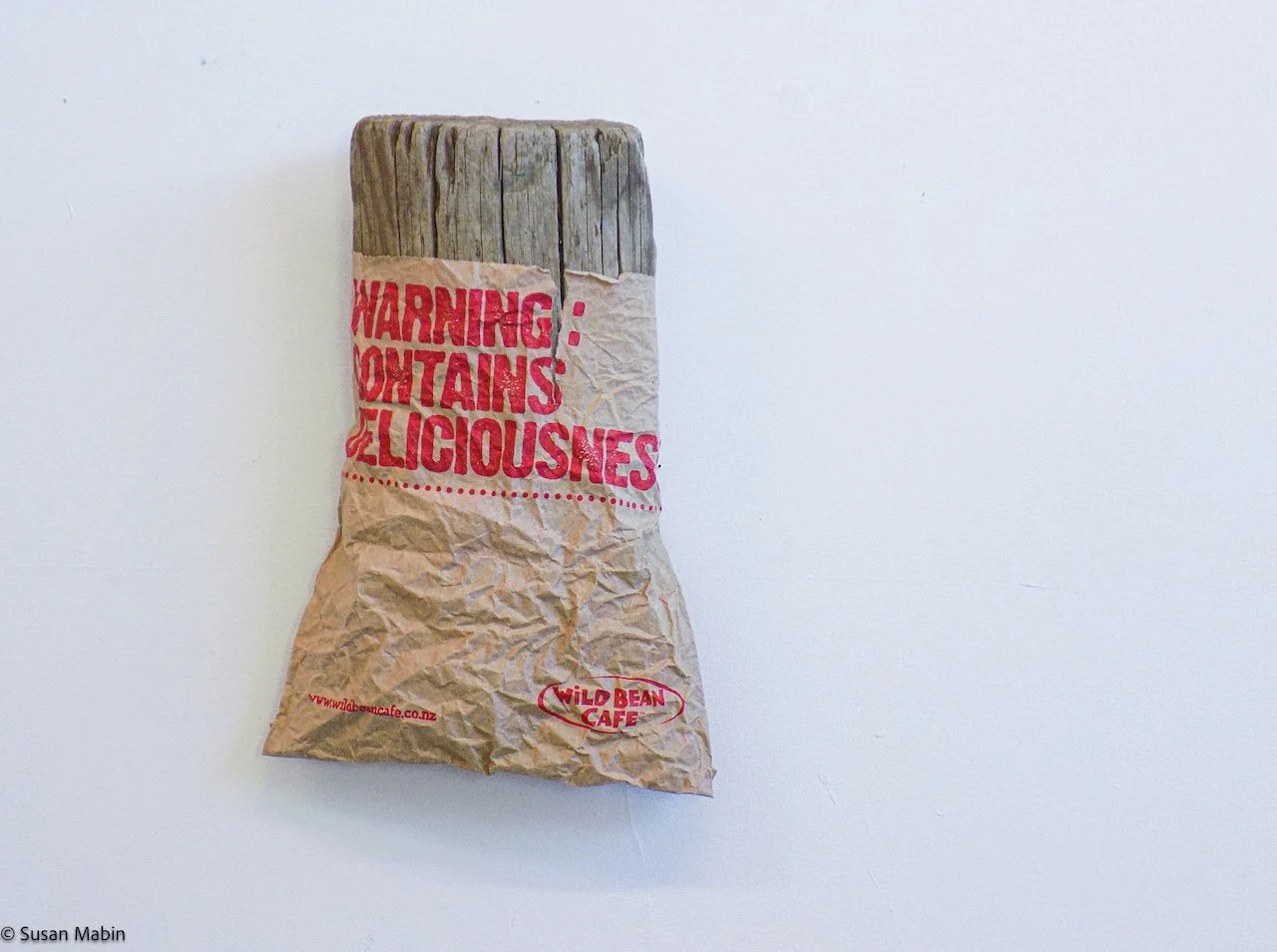
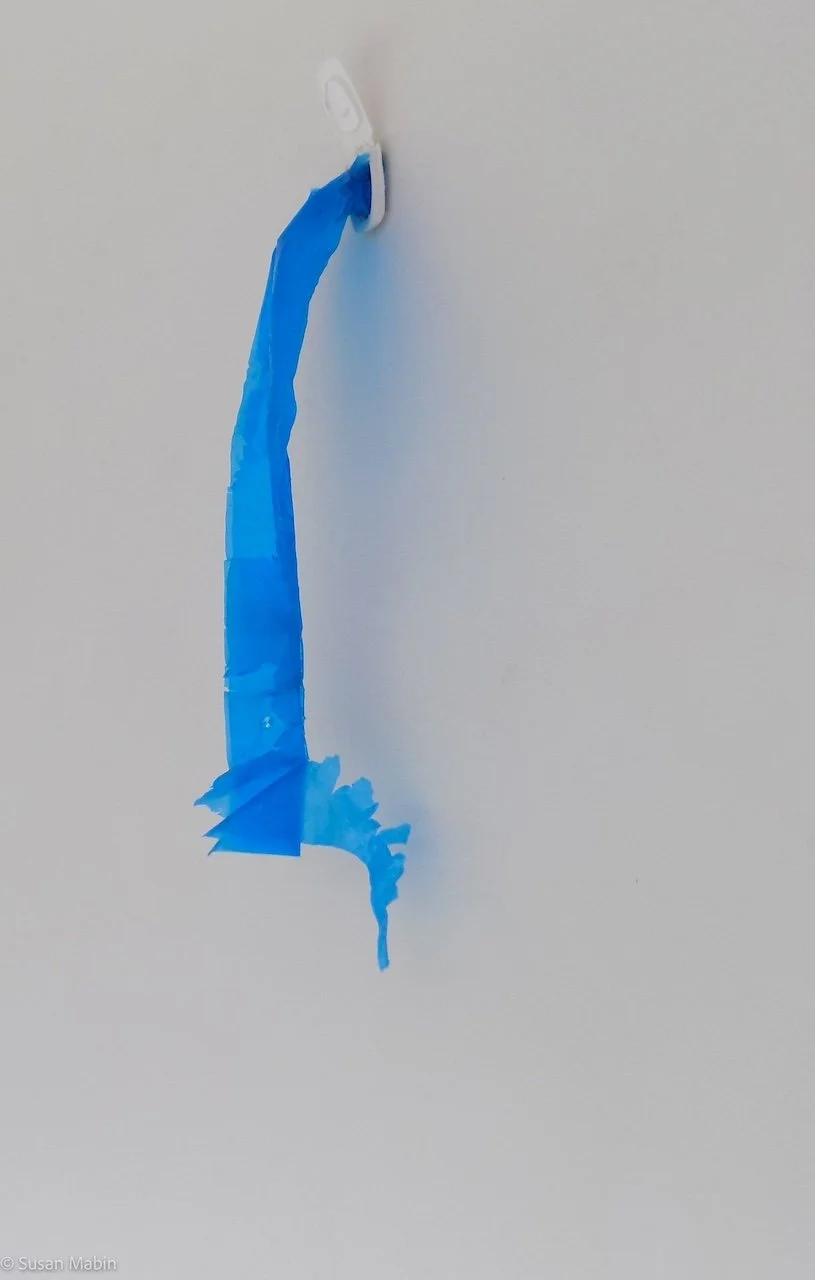
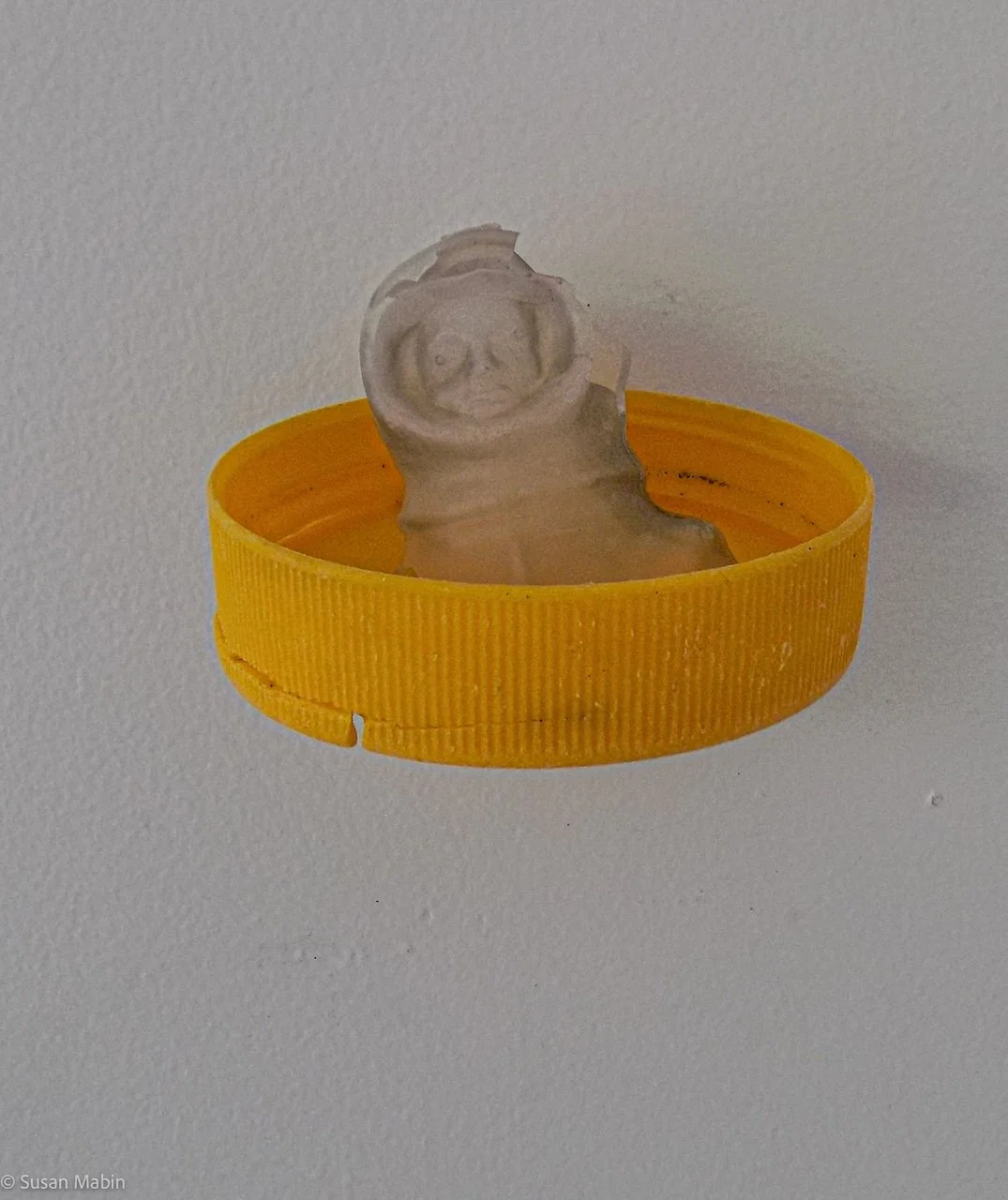
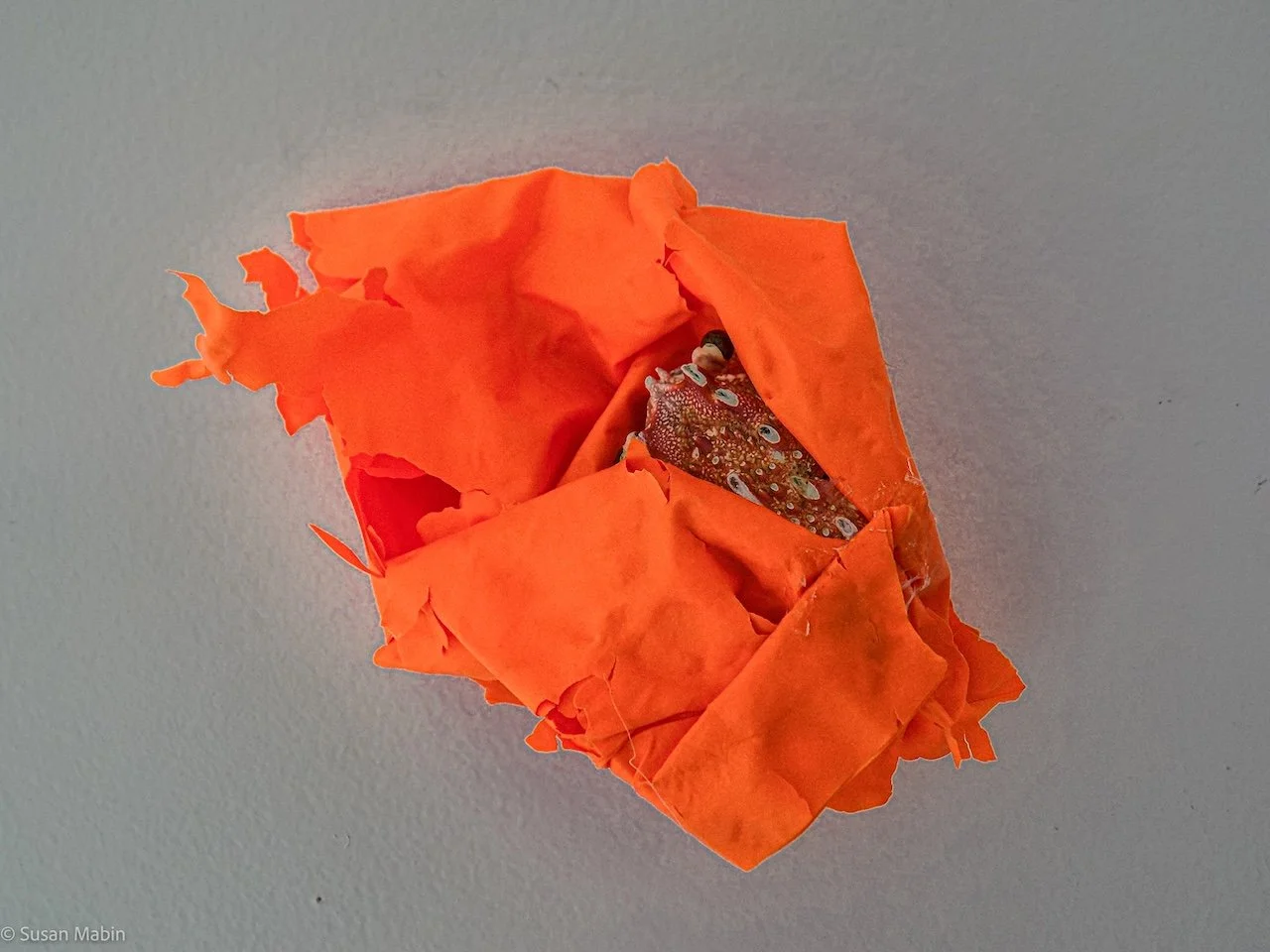
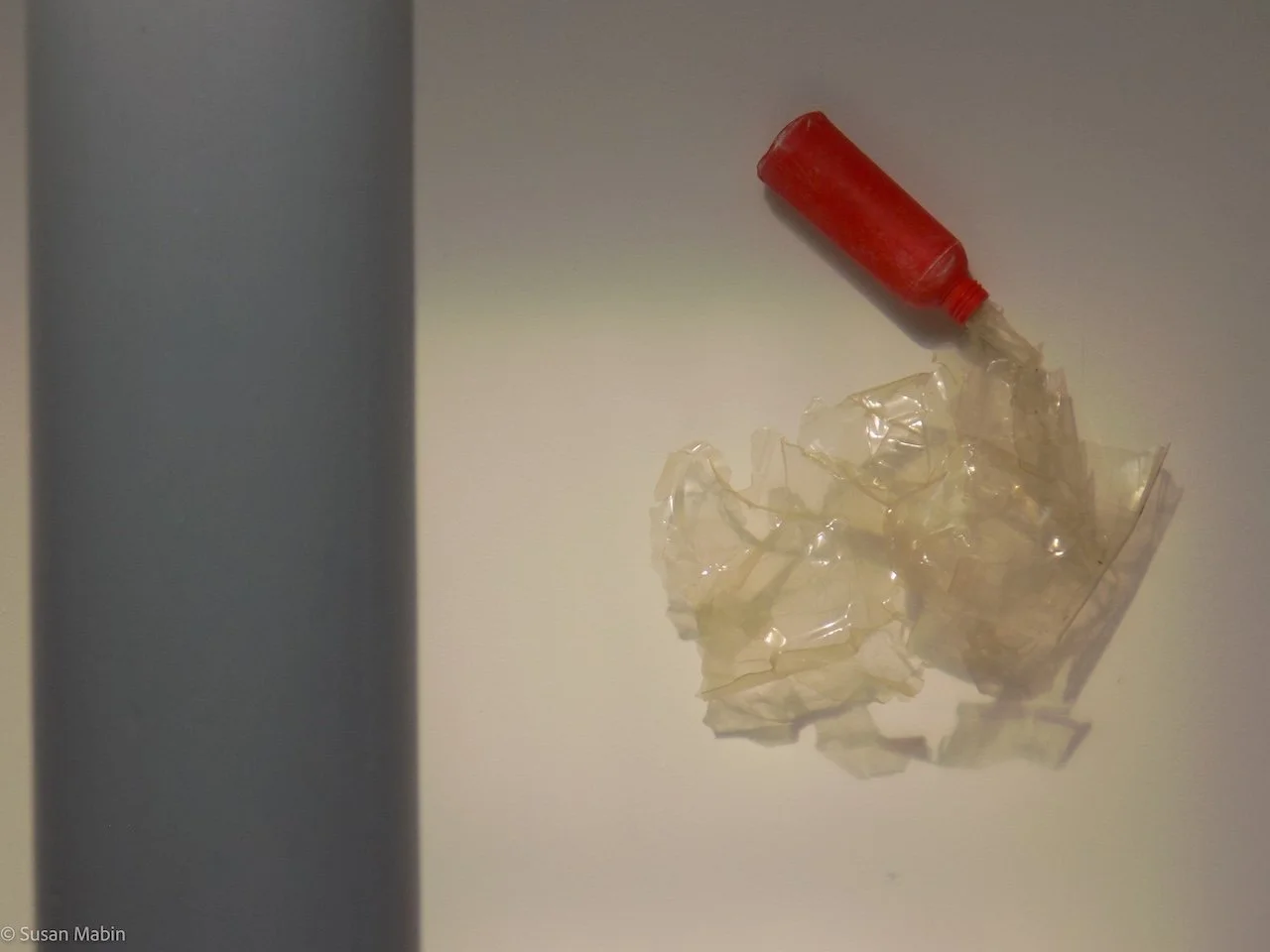
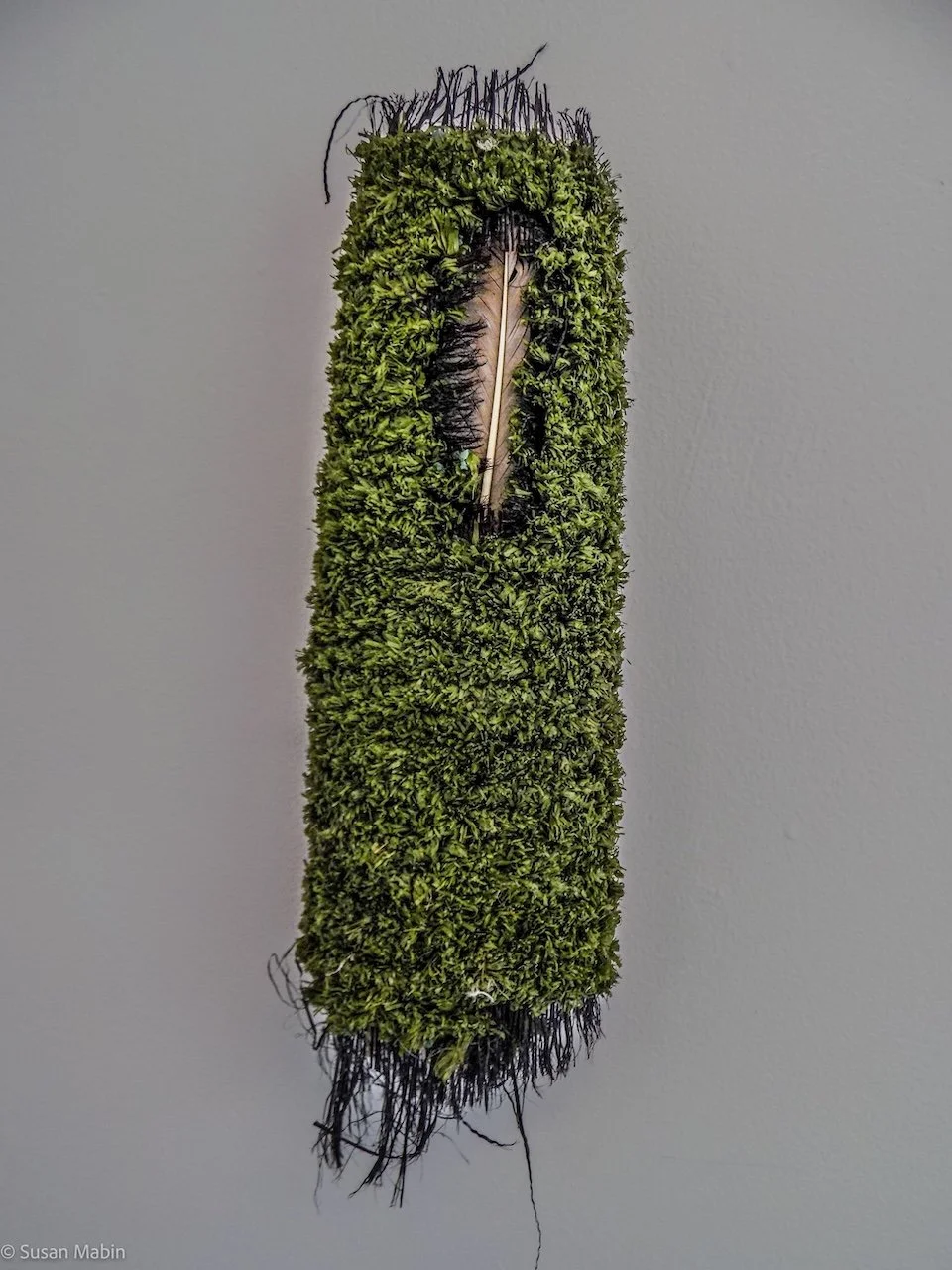
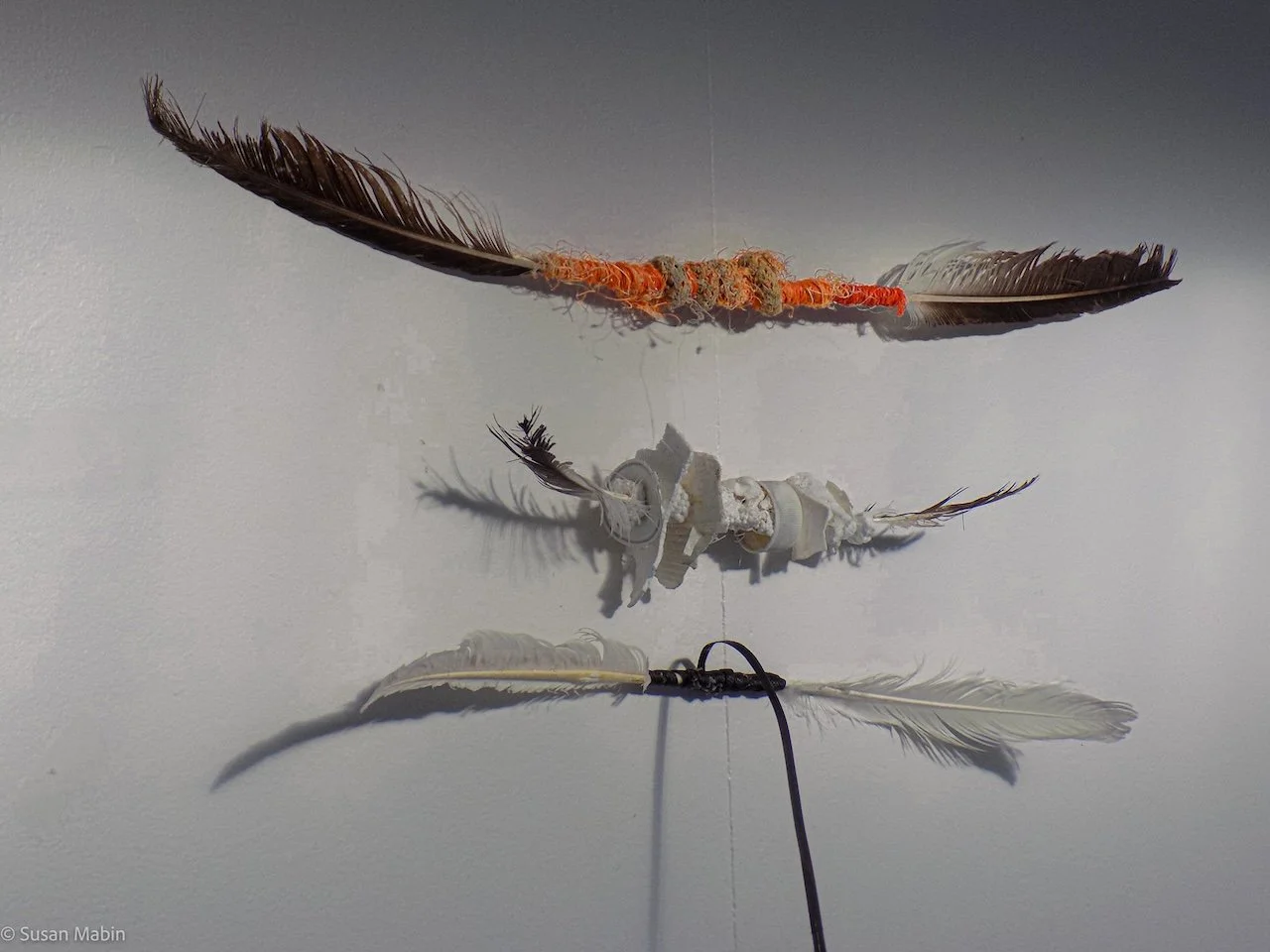
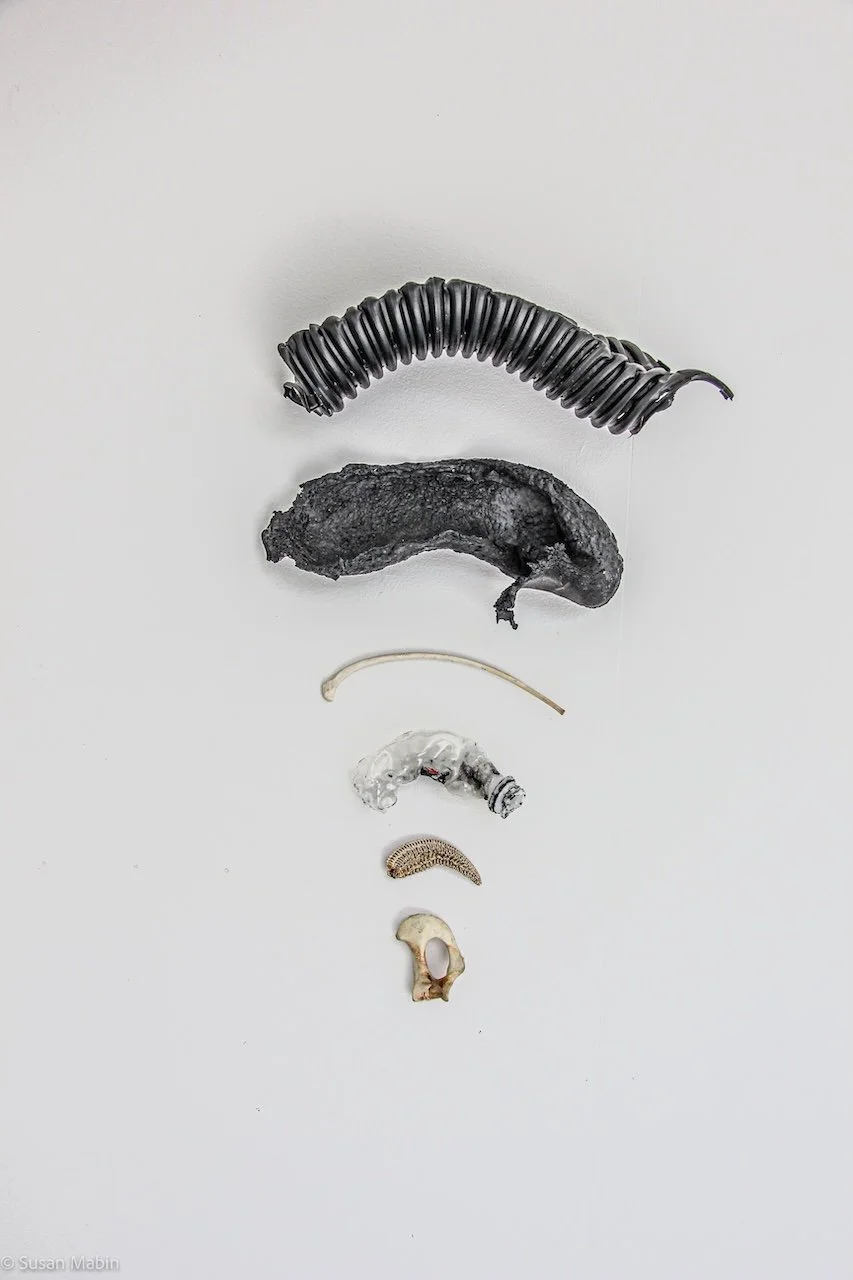
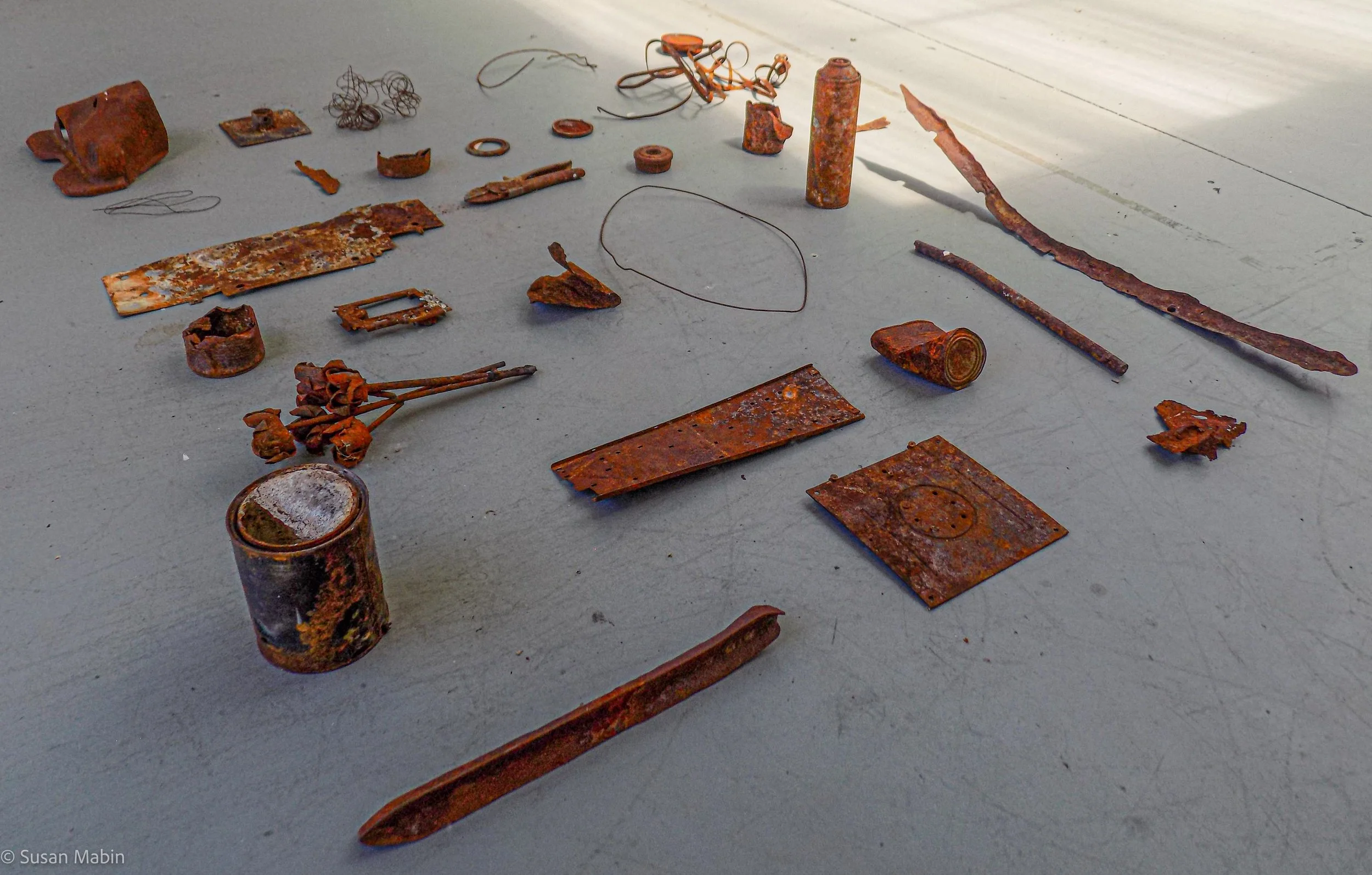
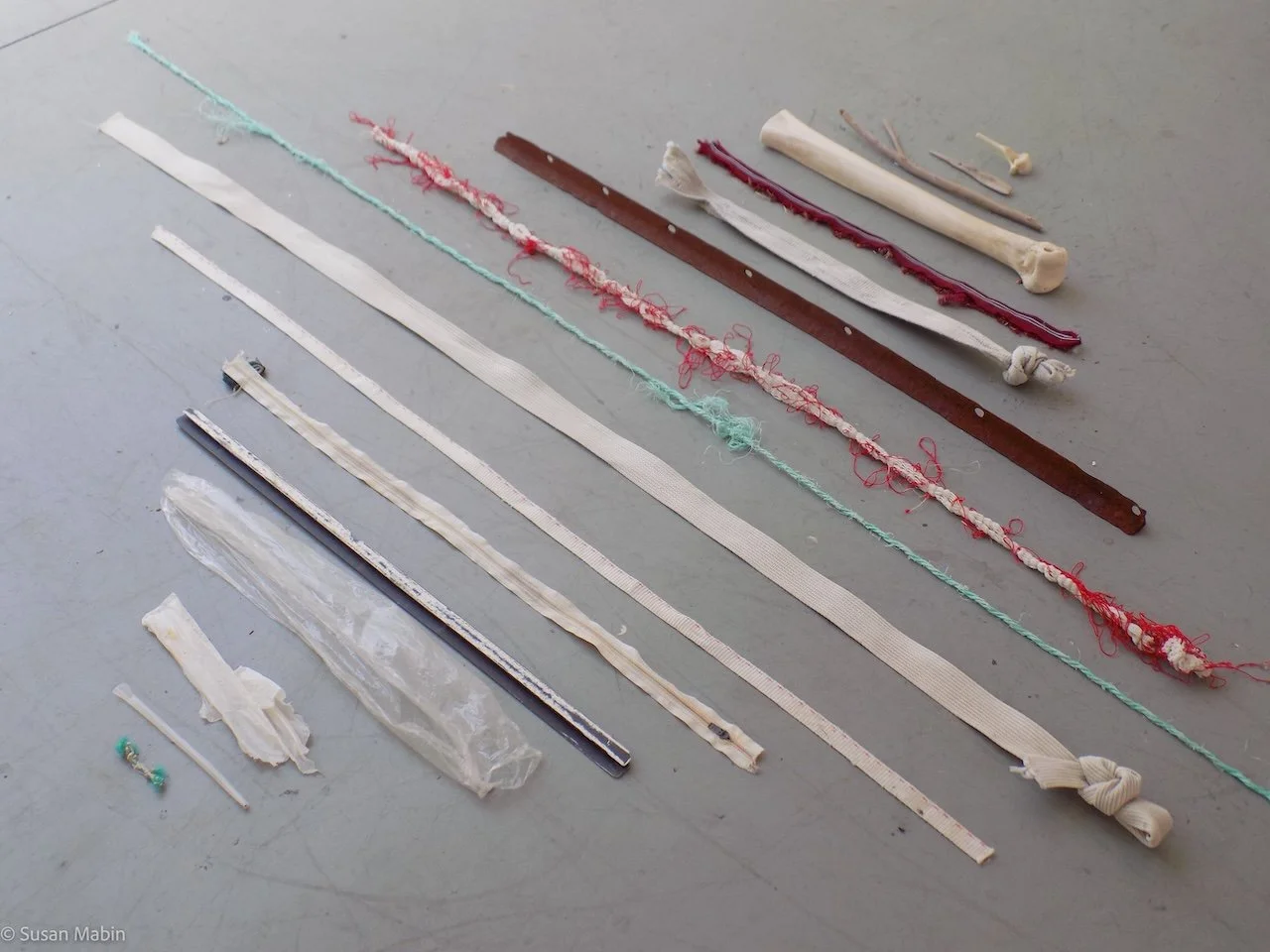
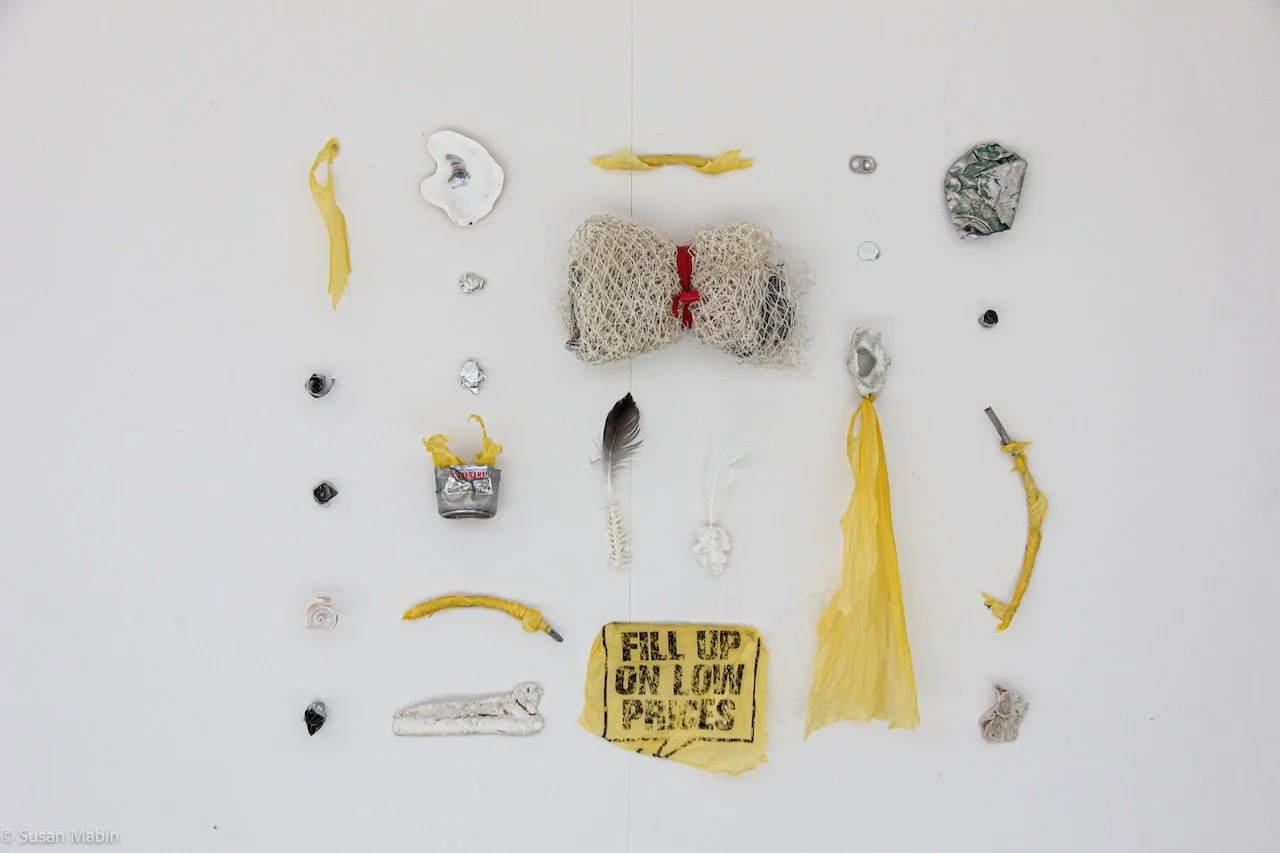
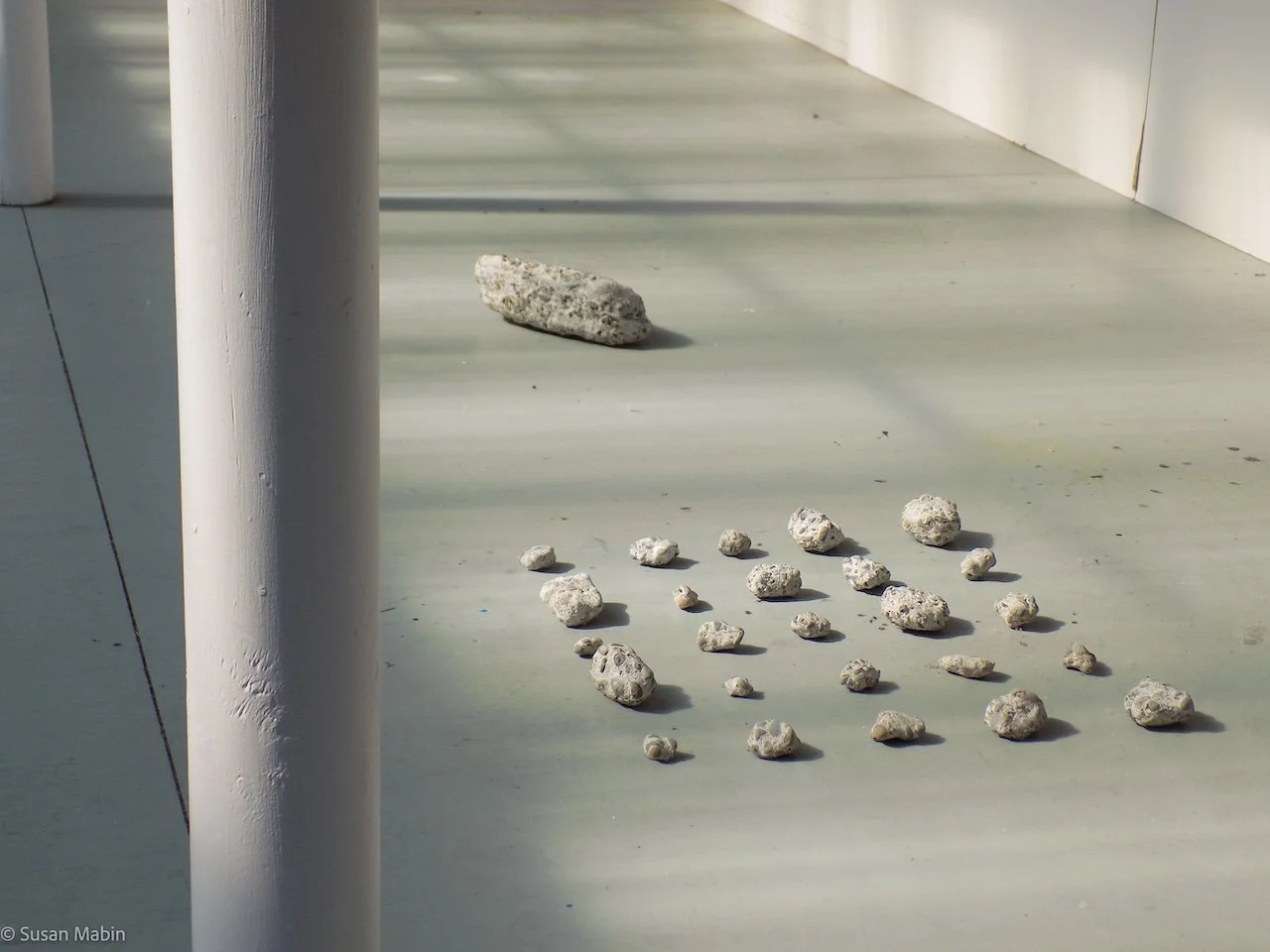
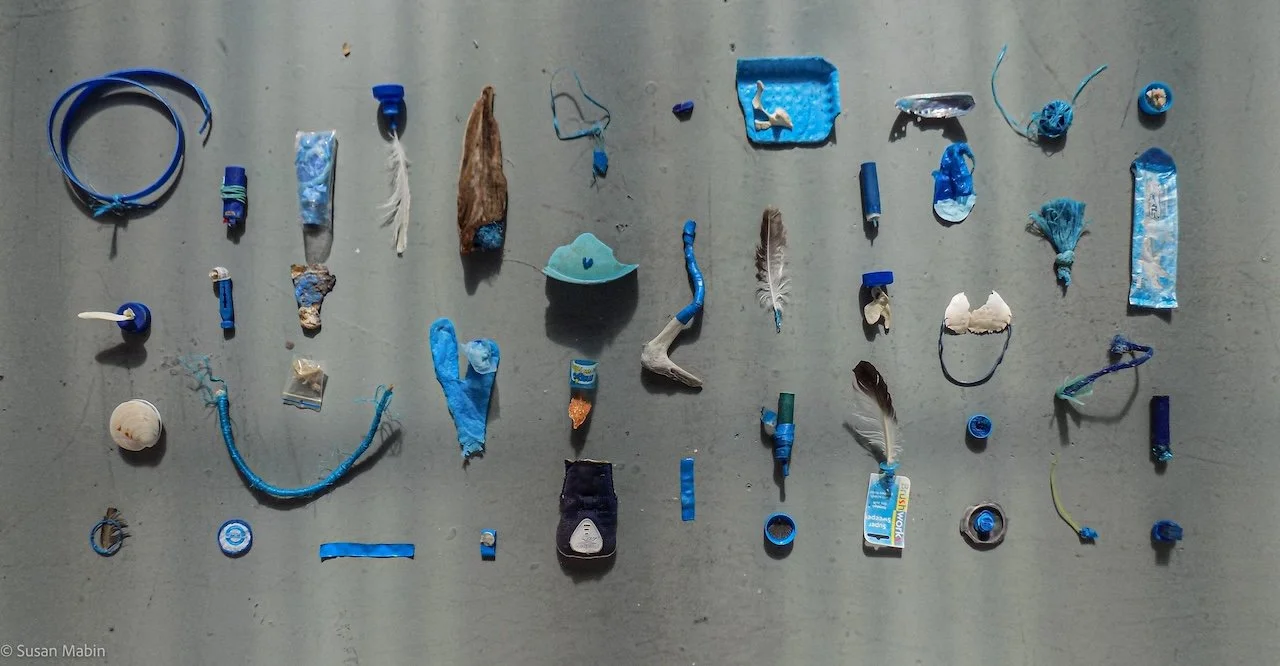
Over the 2016/17 summer break from academic studies, I kept on collecting from the local coast. I wanted to work with the found materials in a different way than making the small sculptures and was lucky to have a large studio space at the time, that had the room for me to experiment with some floor installation work.
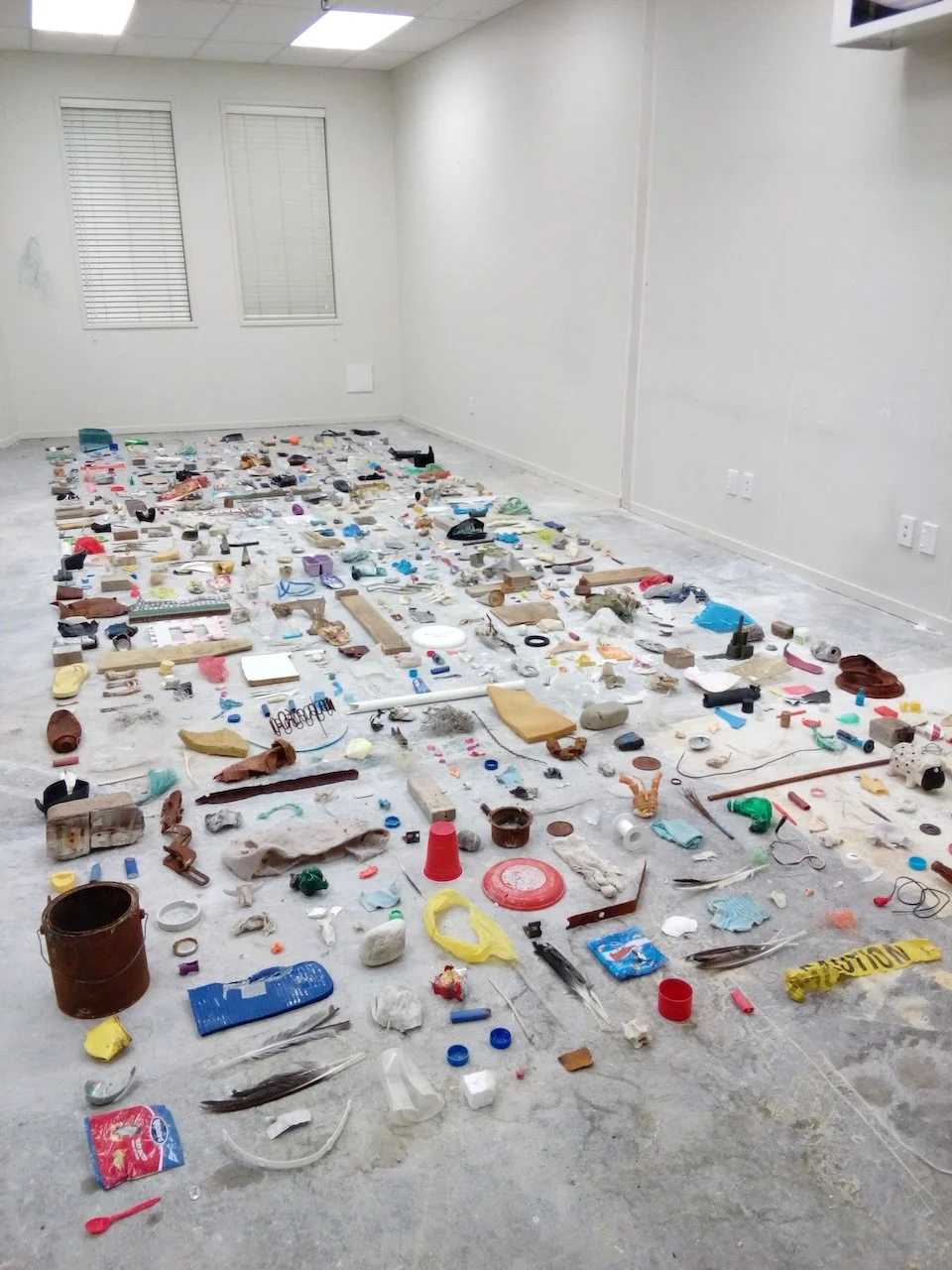
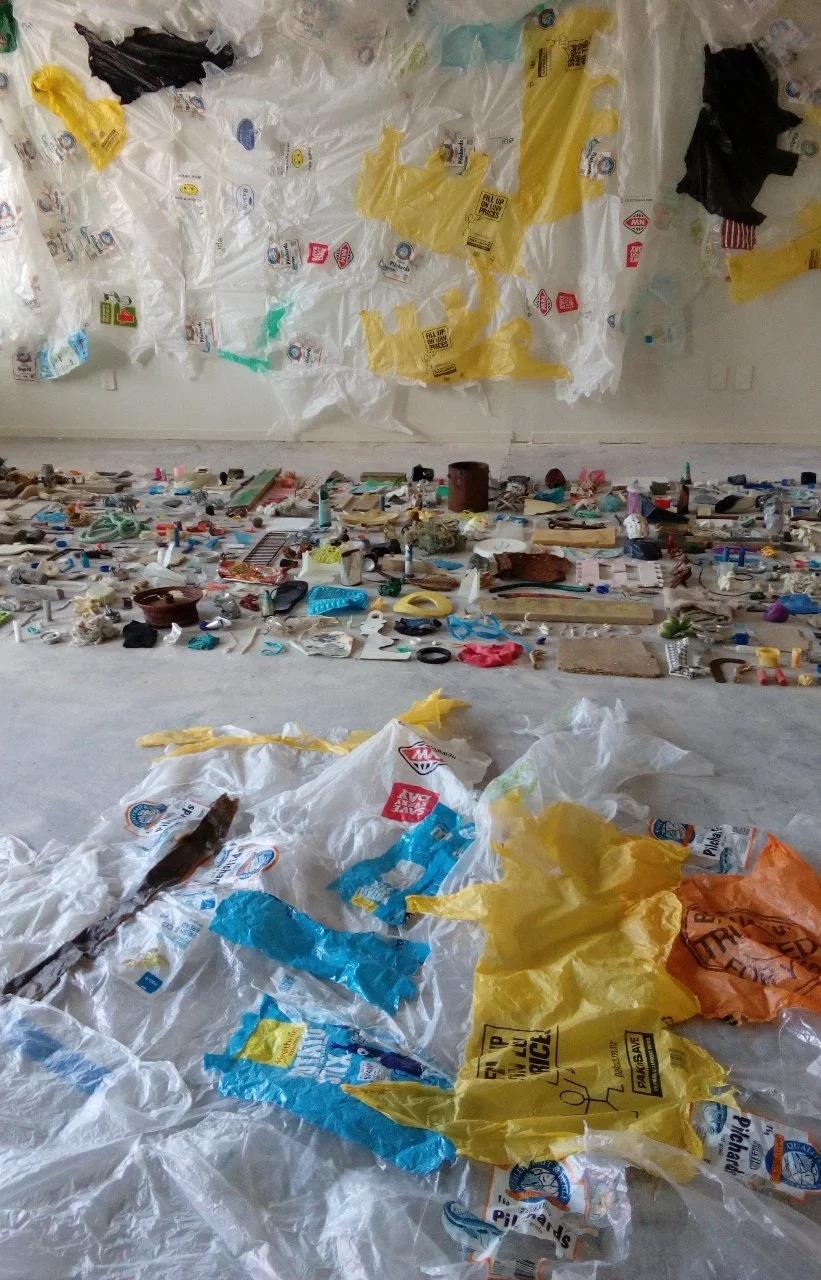
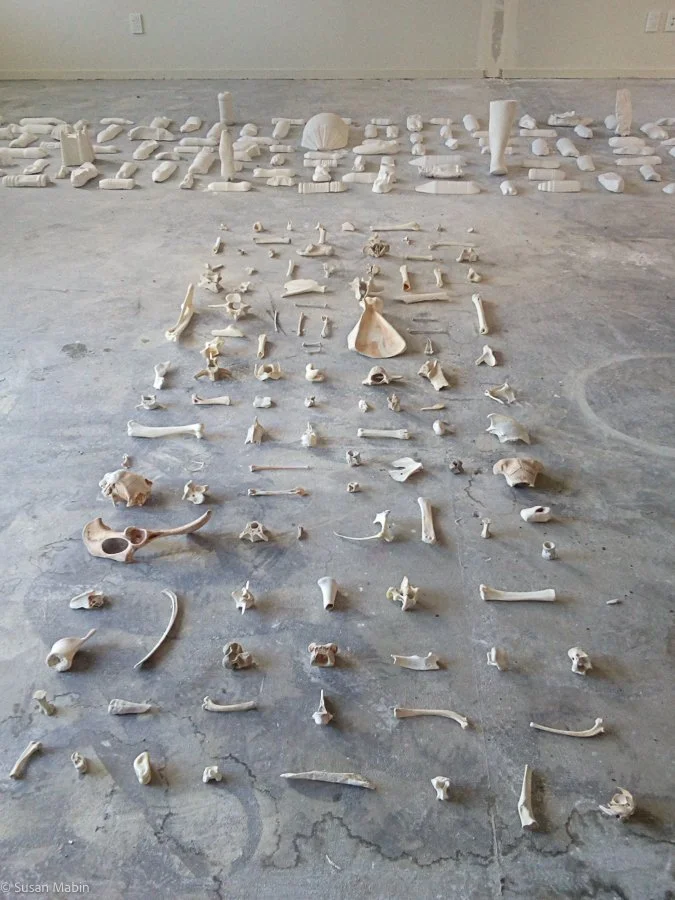
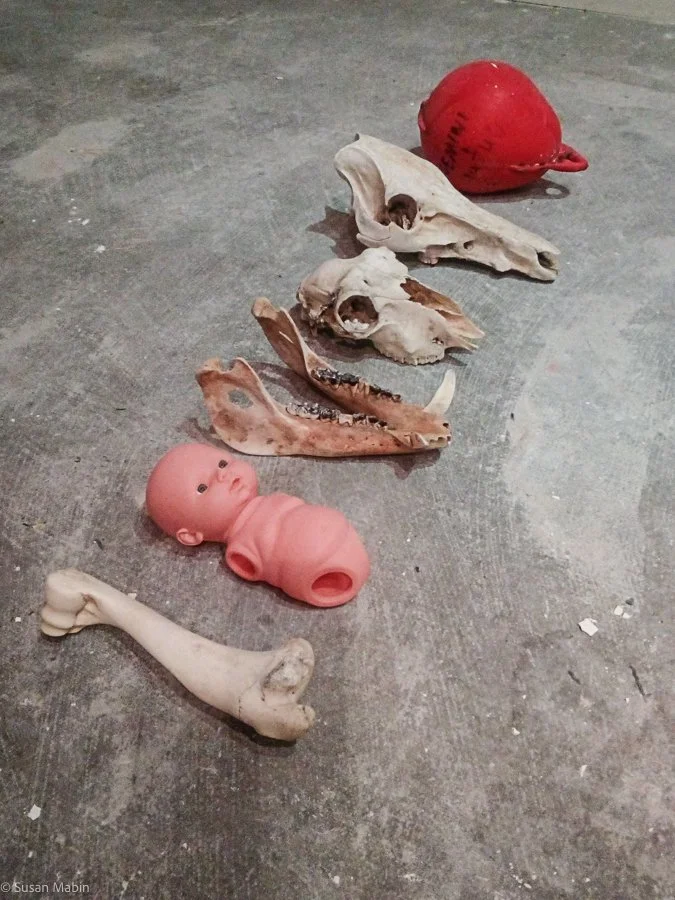
Over the year I continued with the photographic documentation of the coast.
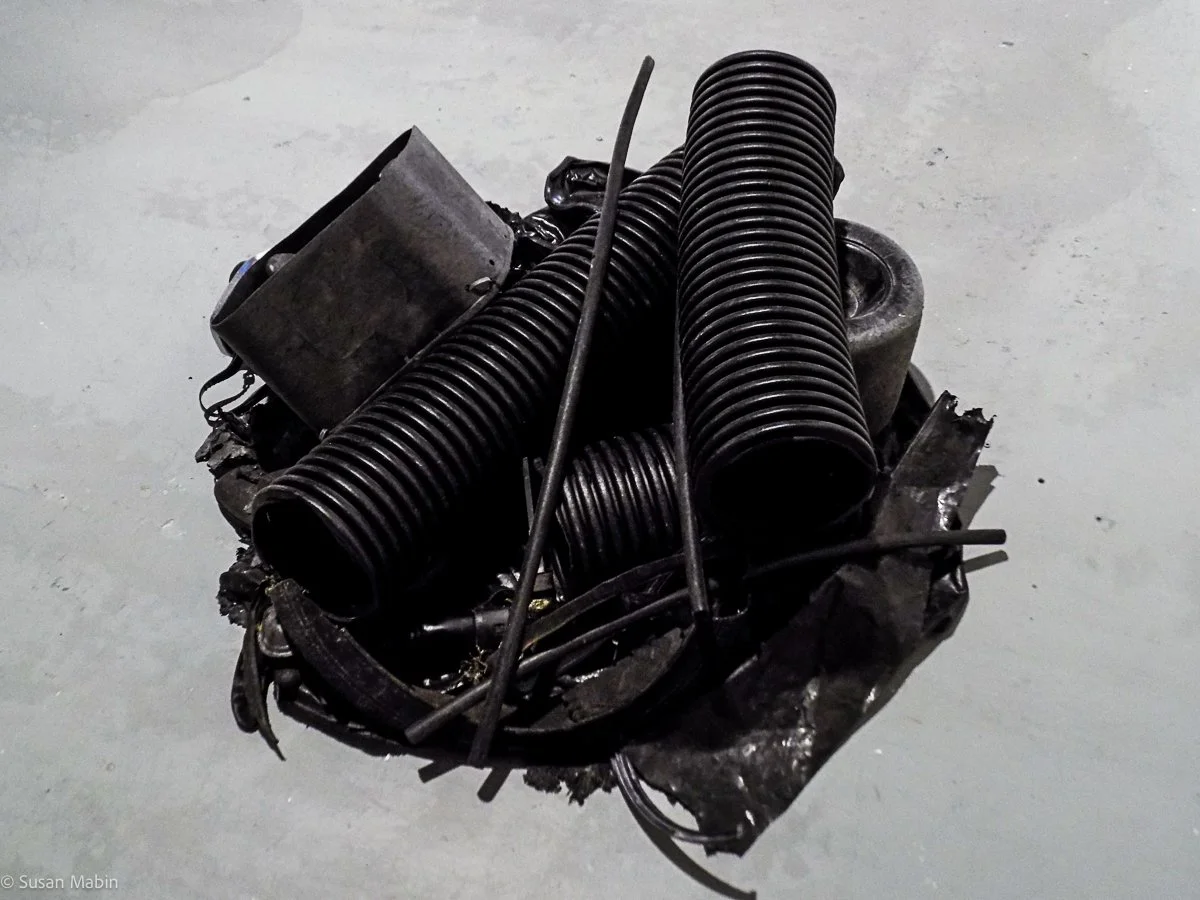
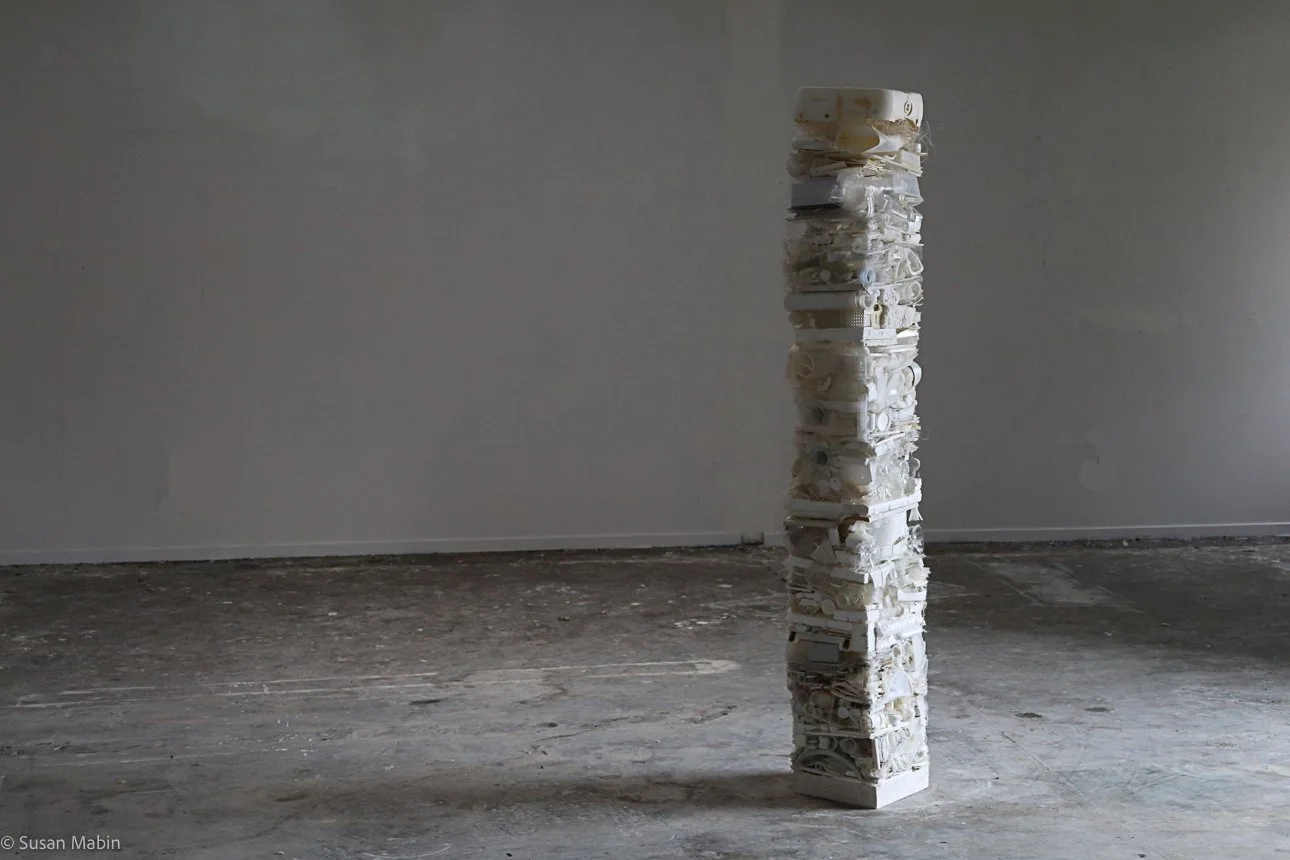
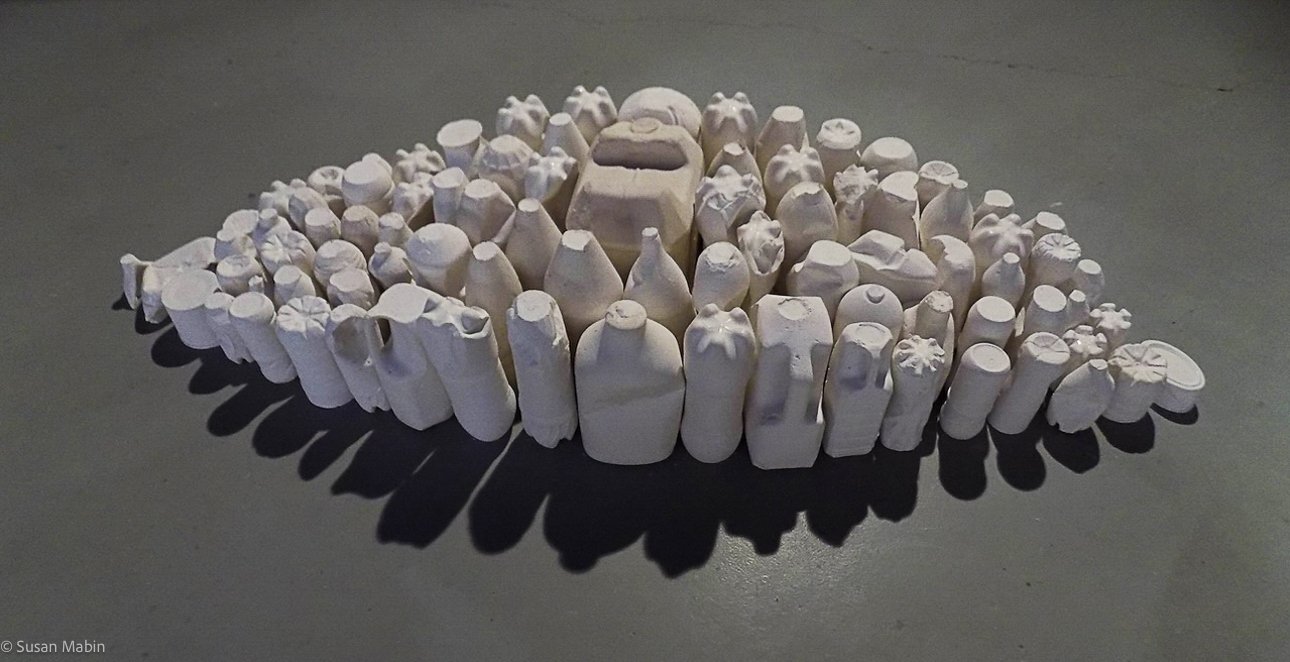
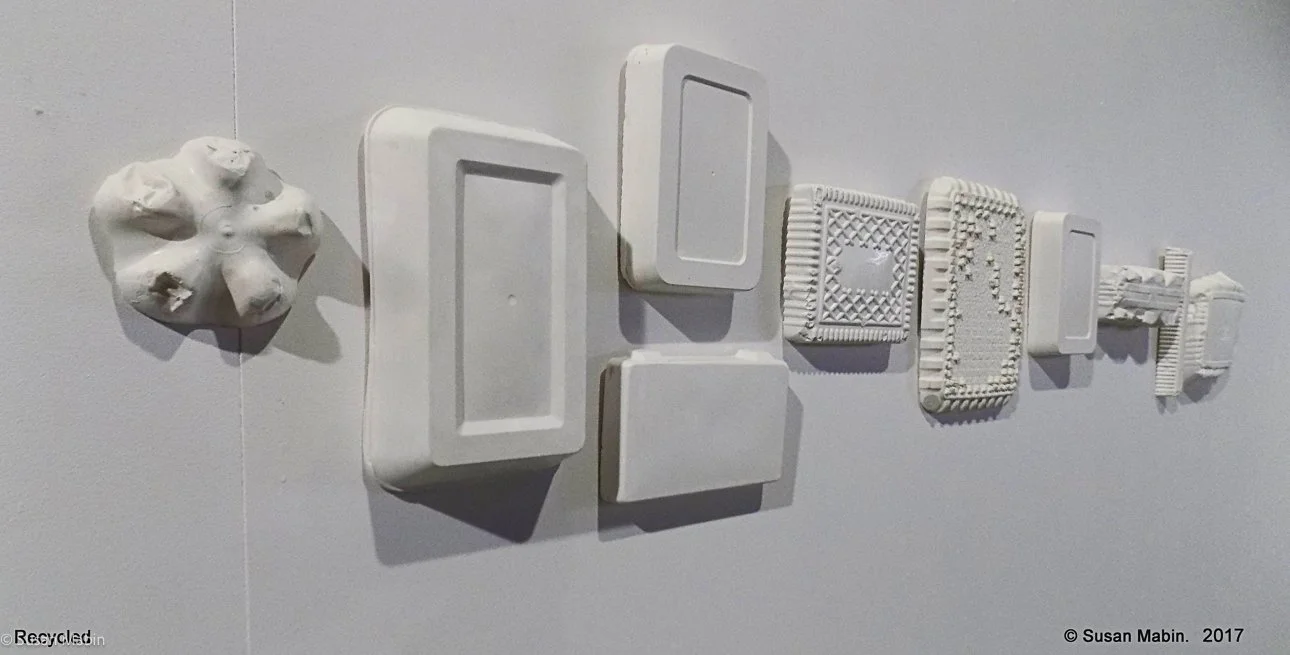
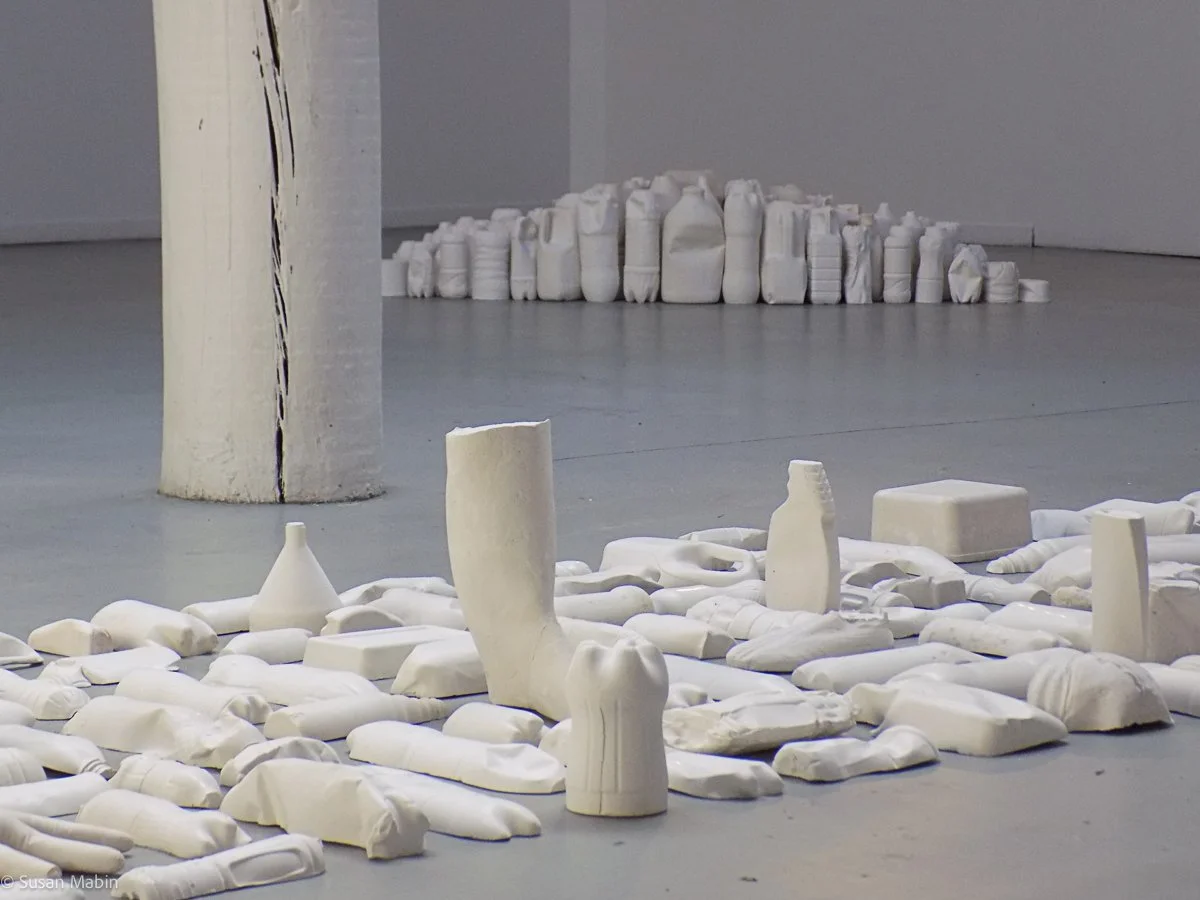
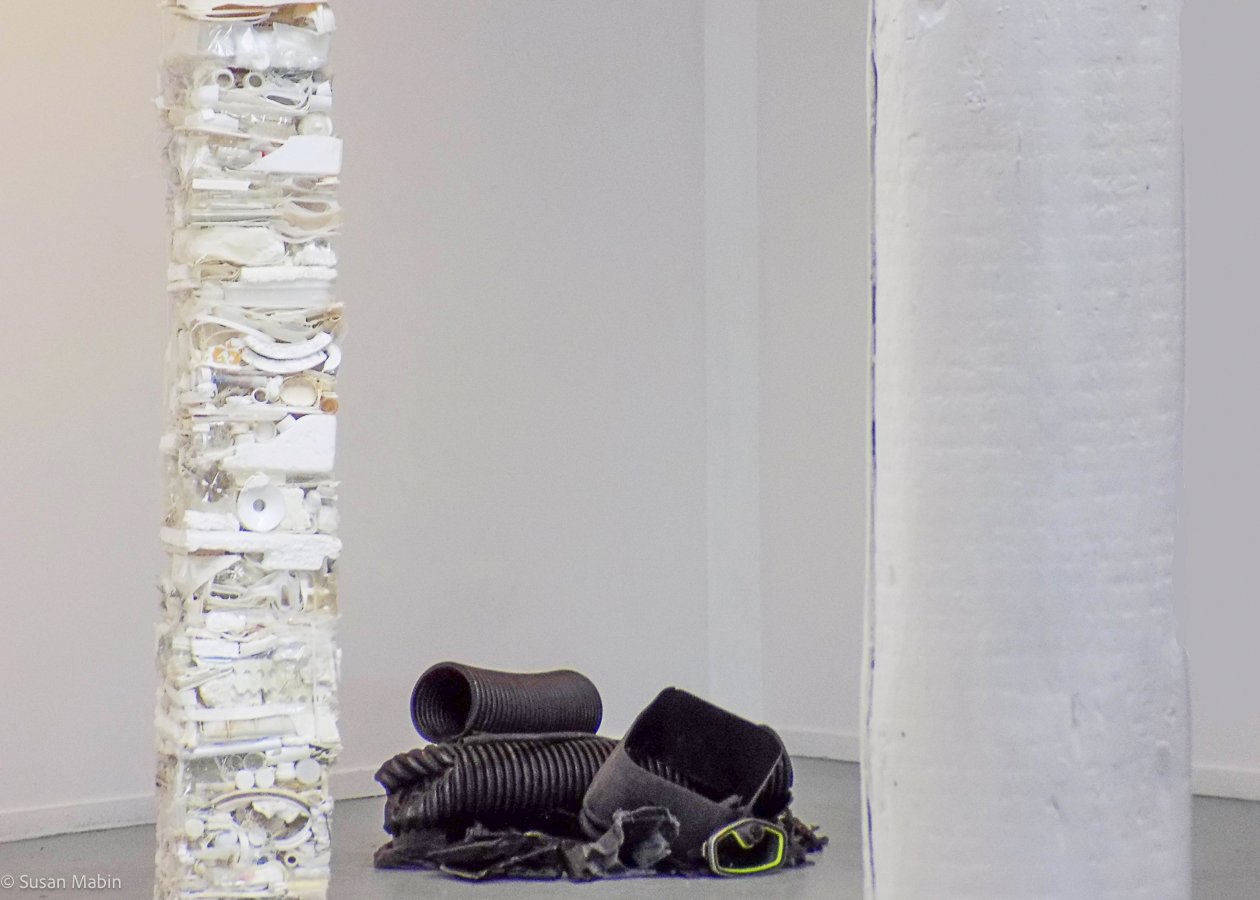
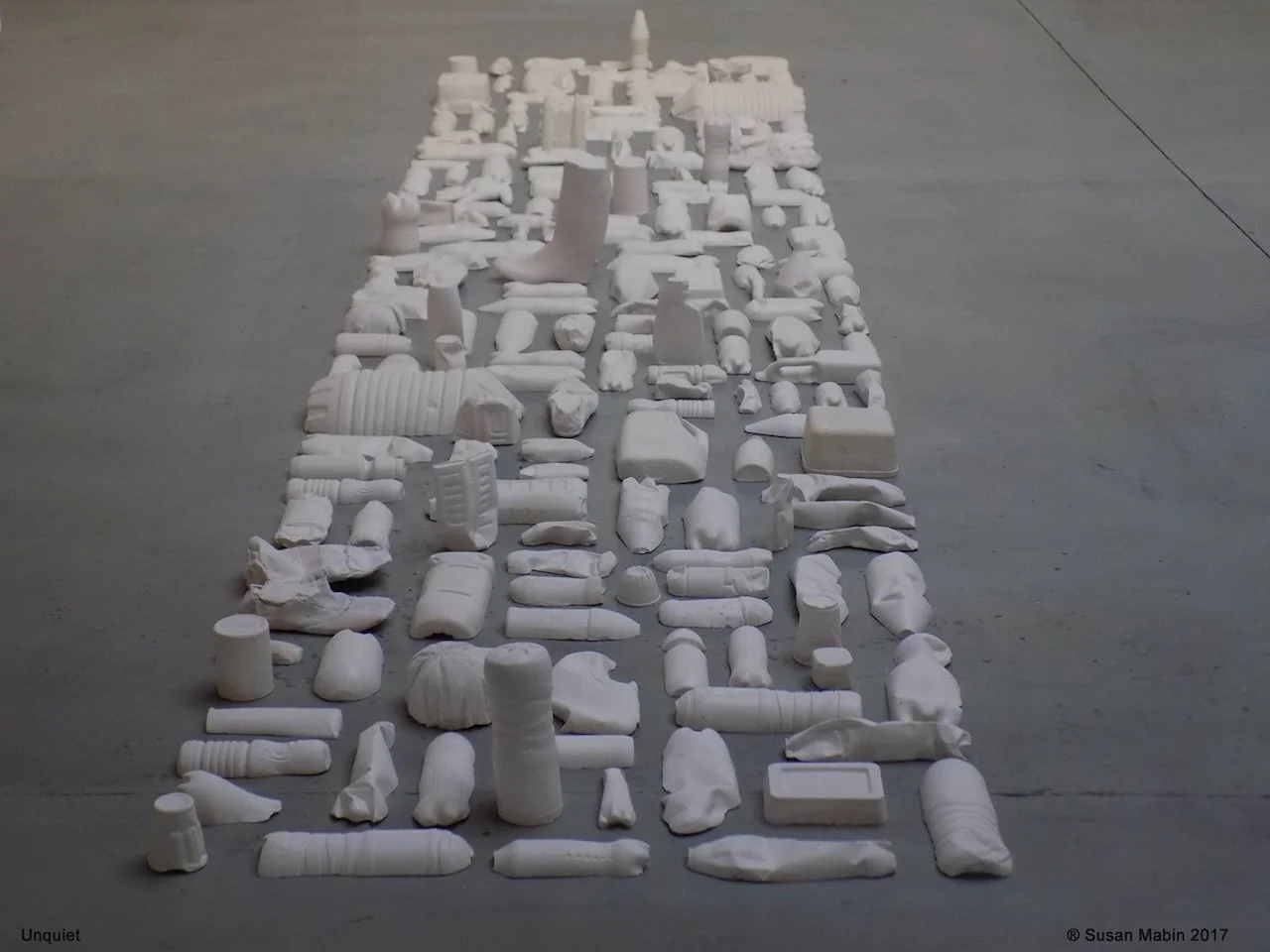
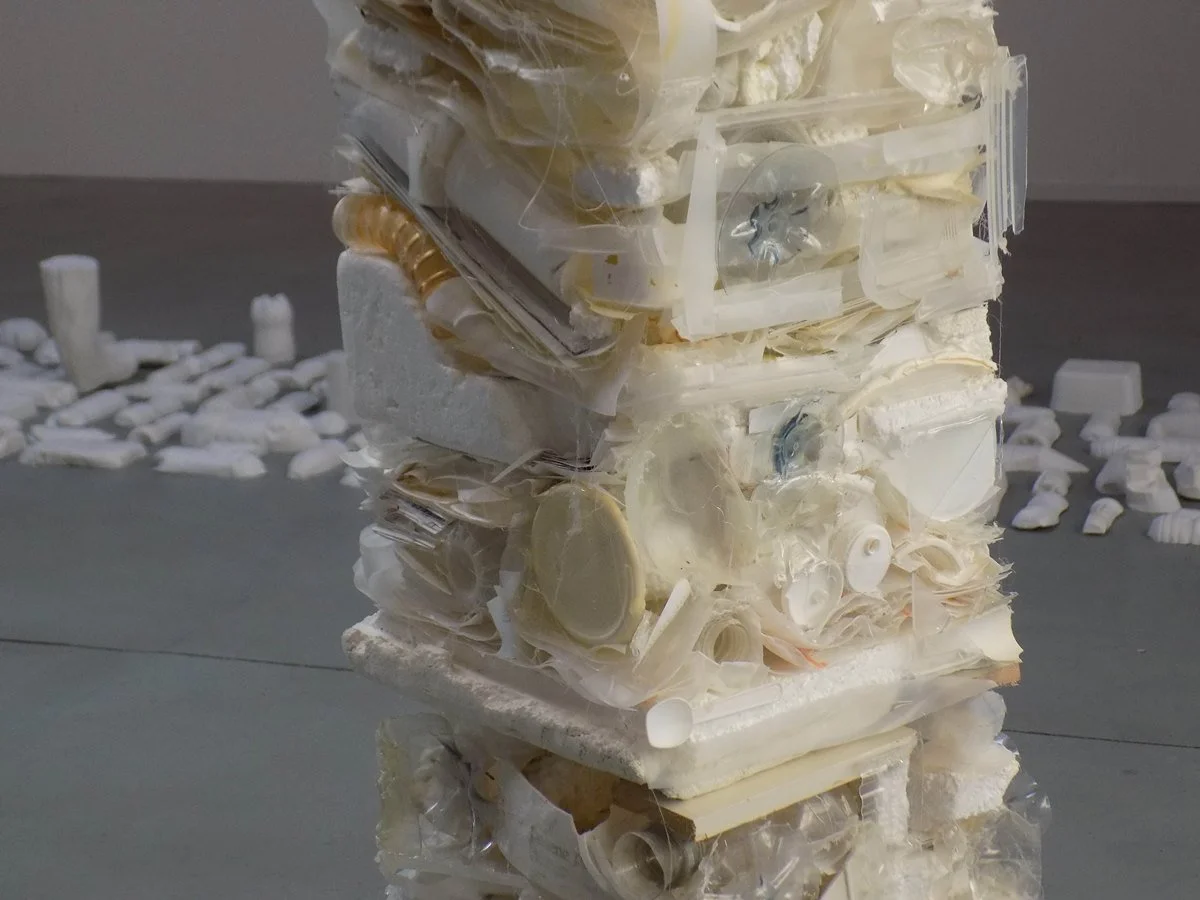
I was picking up a lot of plastic bottles and plastic bags and I wanted to somehow use these to create new work with. I decided to cast the interior of the bottle and containers with plaster of Paris and got rather carried away with this and then arranging them in different ways. The shapes created were oddly beautiful, and the resulting installation work, made visible the space these objects actually take up in our environment. Along with the plaster of Paris work I also made some larger sculptures with the plastic materials. For my masters I proposed that through the aesthetic engagement with these found materials, they can be considered to be the materials of the Anthropocene and that art can be a way of documenting the anthropology of current human culture.
Some pics from my masters exhibition in 2017…
2018 and 2019
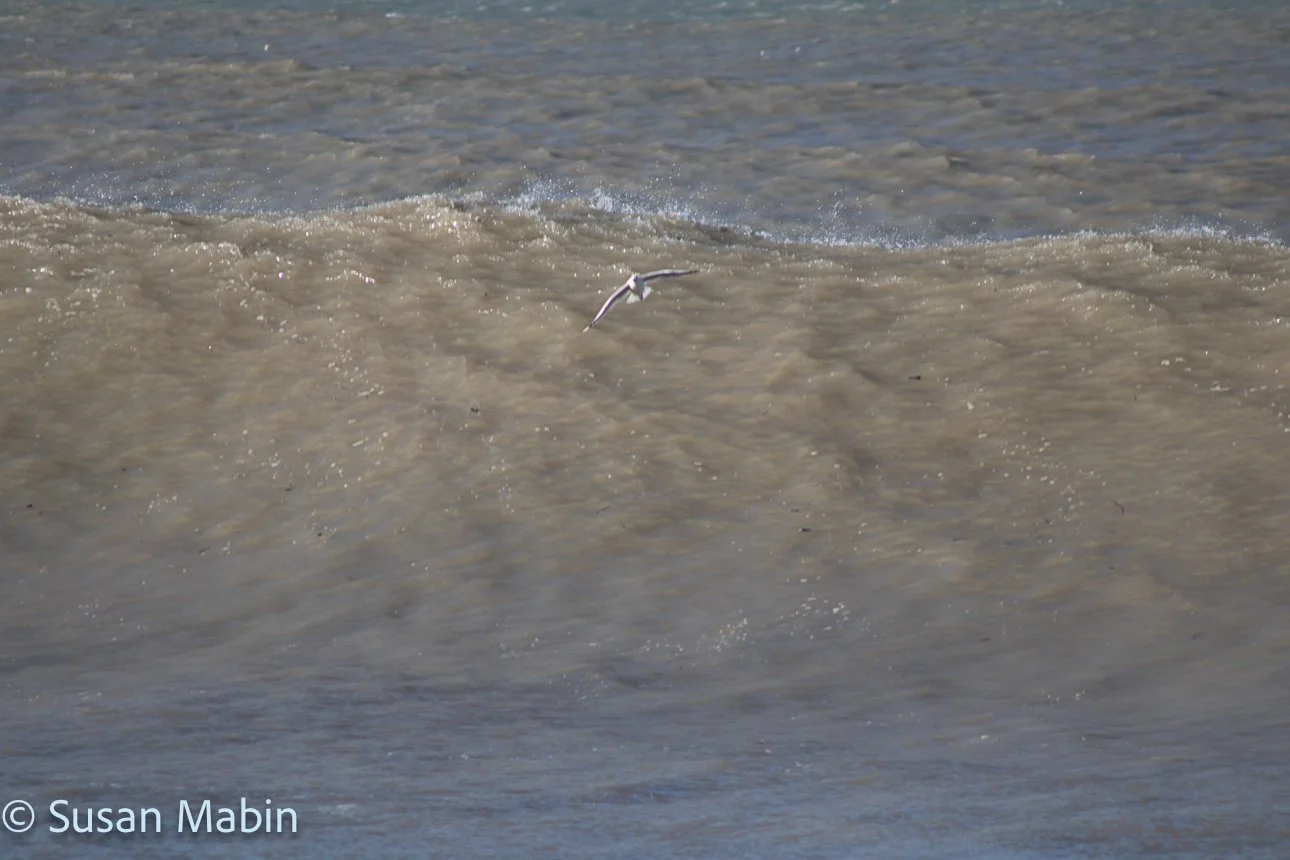
In 2018 and 2019, I continued with the beach photography and to make small sculpture with the found objects. I found it a really good way to be creative with materiality and the elements of sculpture without worrying about the outcome.
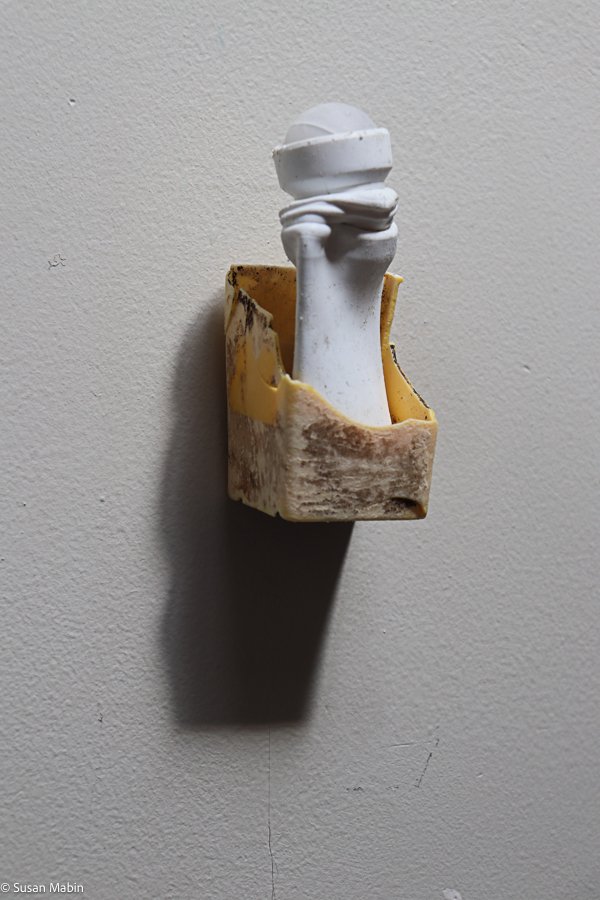
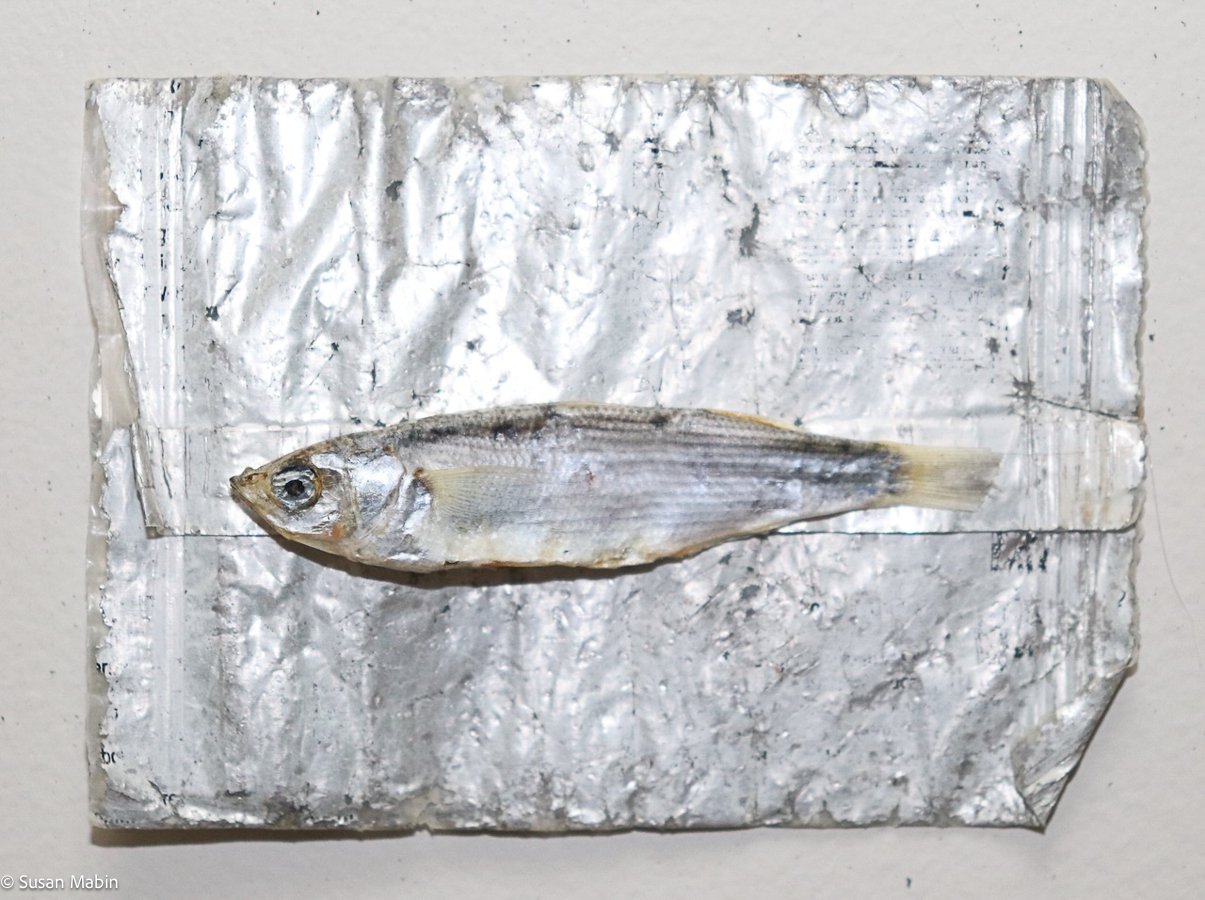
I had collected so much stuff by now, it was possible to colour co-ordinate materials and do some indoor installation work. There was this shelf in the studio that lent itself to arrangements. These black materials later became part of a tall sculpture called ‘Stack’ which I took back out to the coast to photograph in the setting where the materials were originally found.
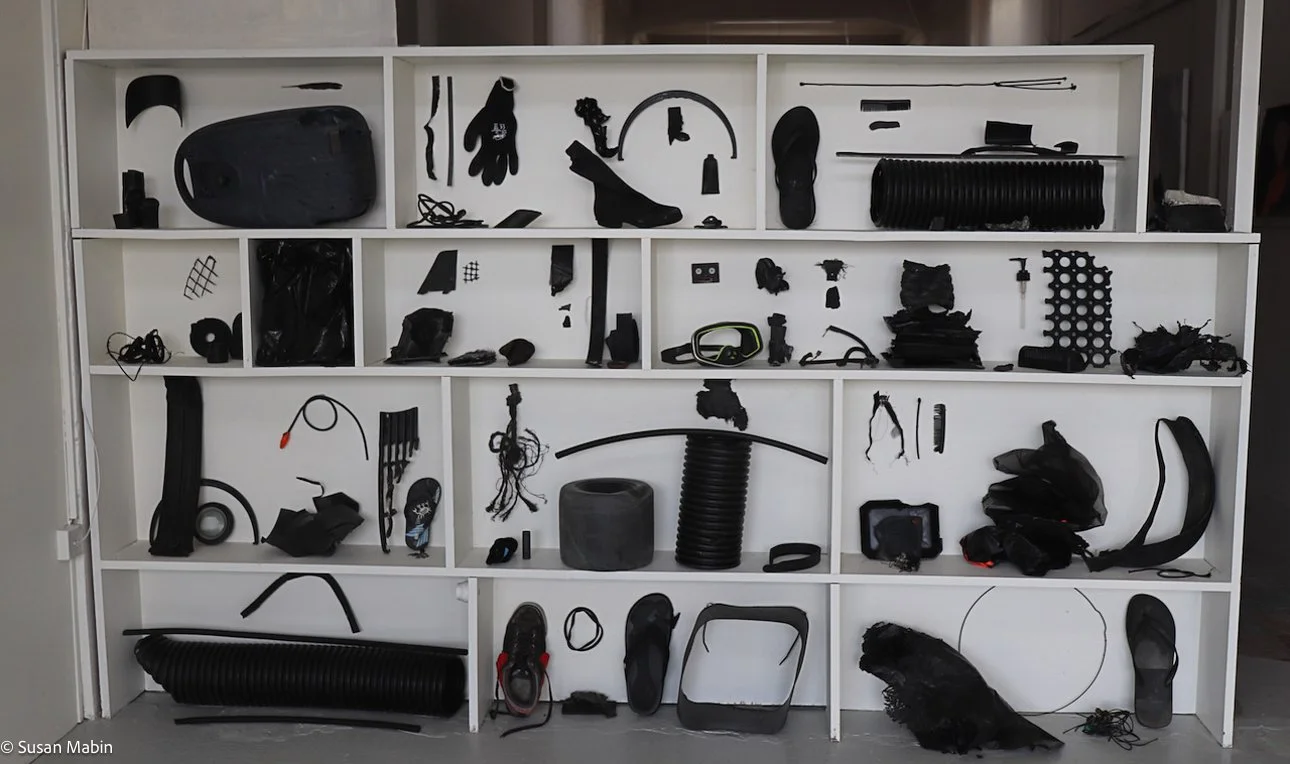
A black day. 2018
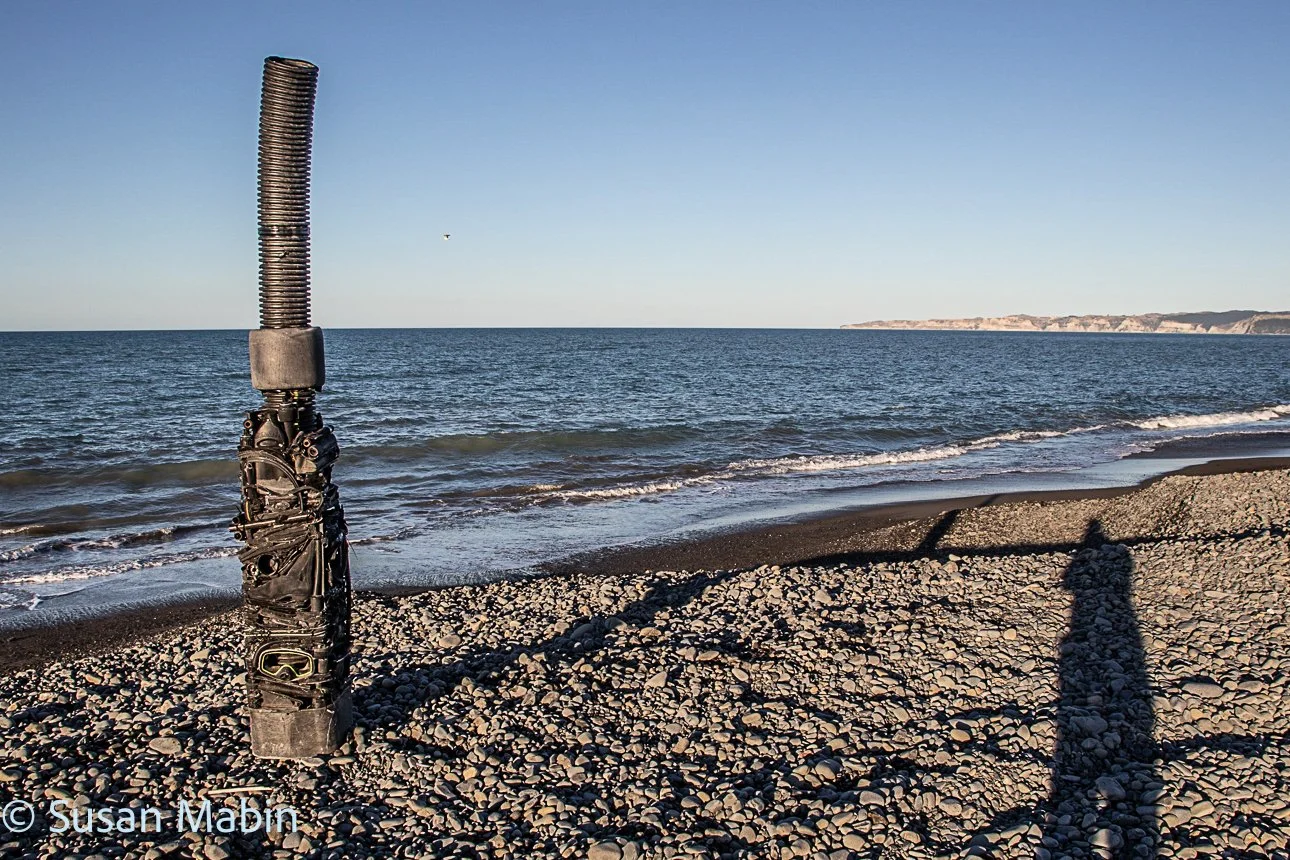
Black Stack. 2018/19.
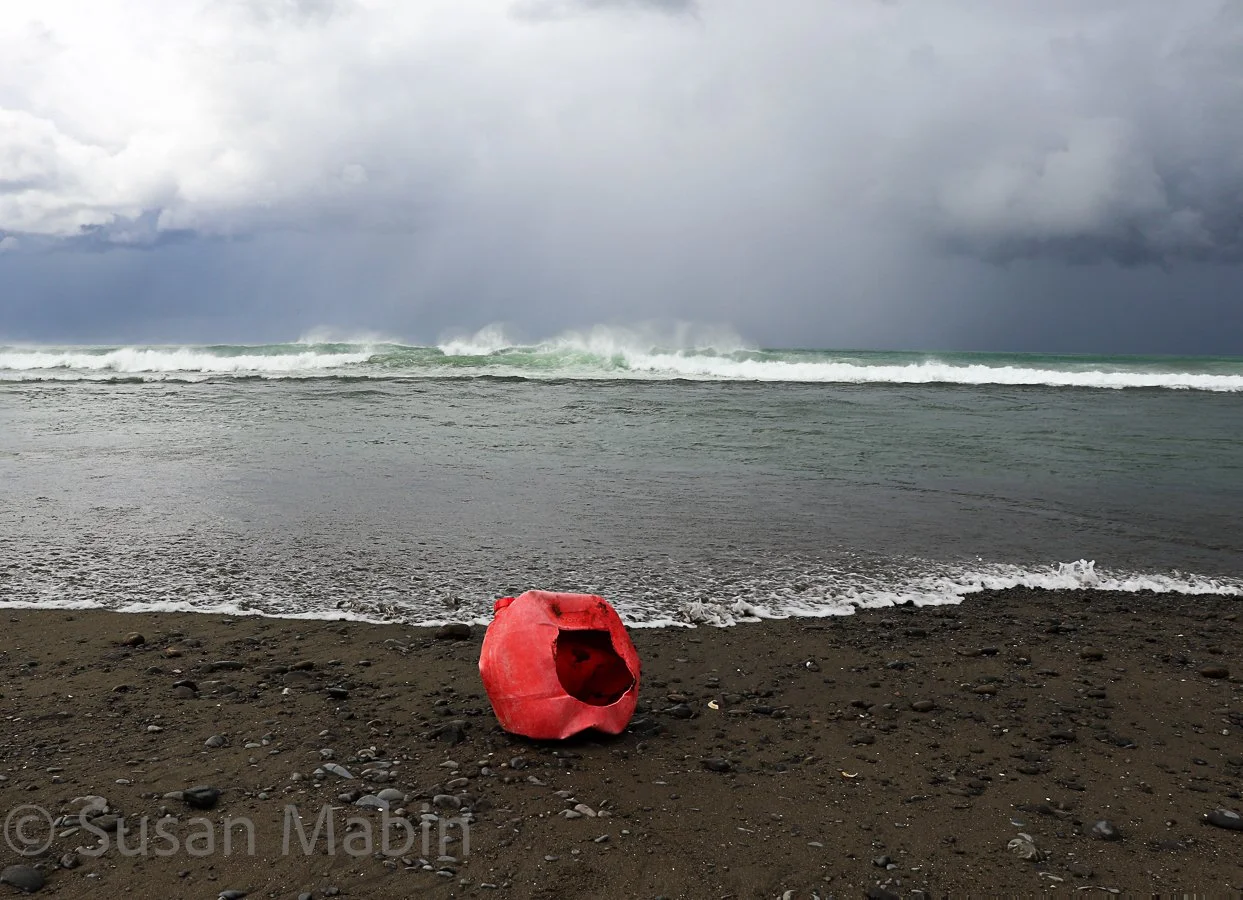
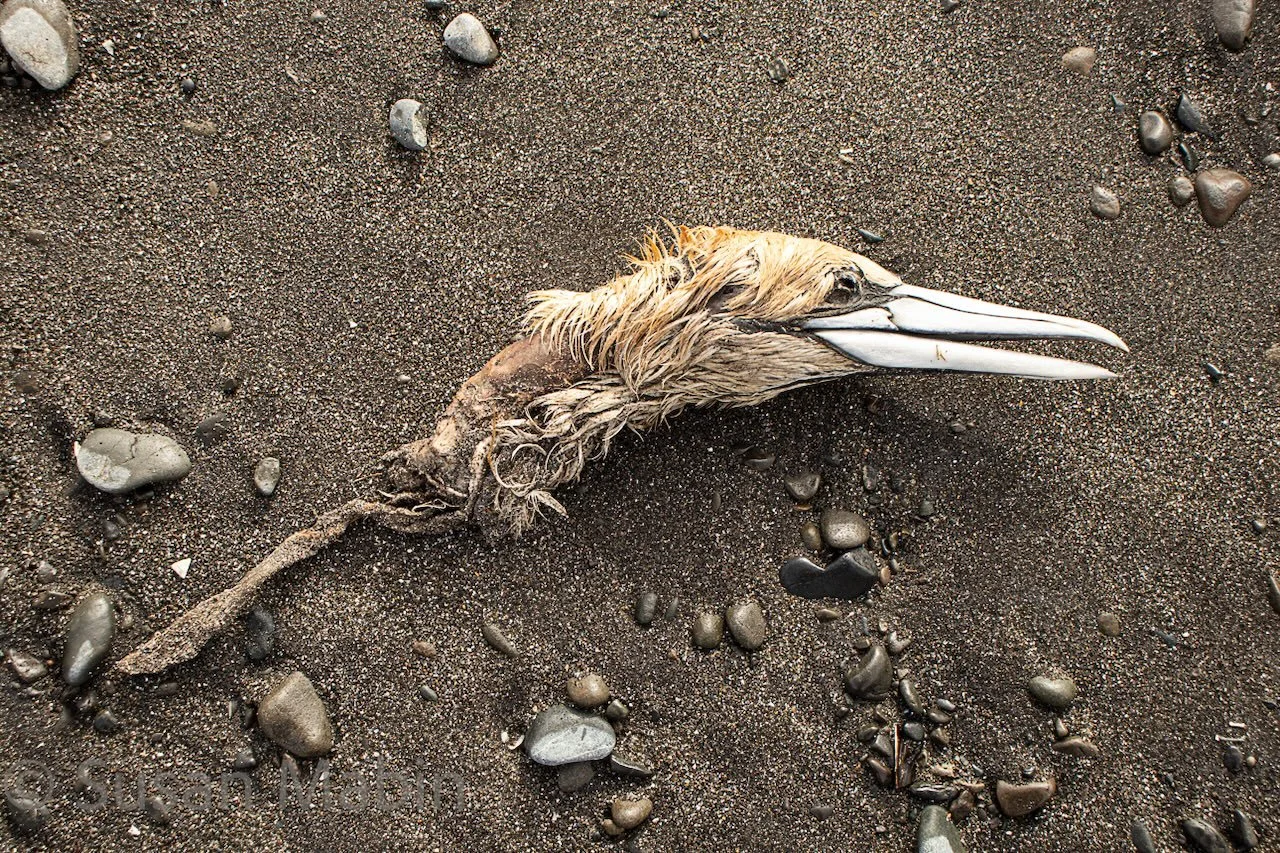
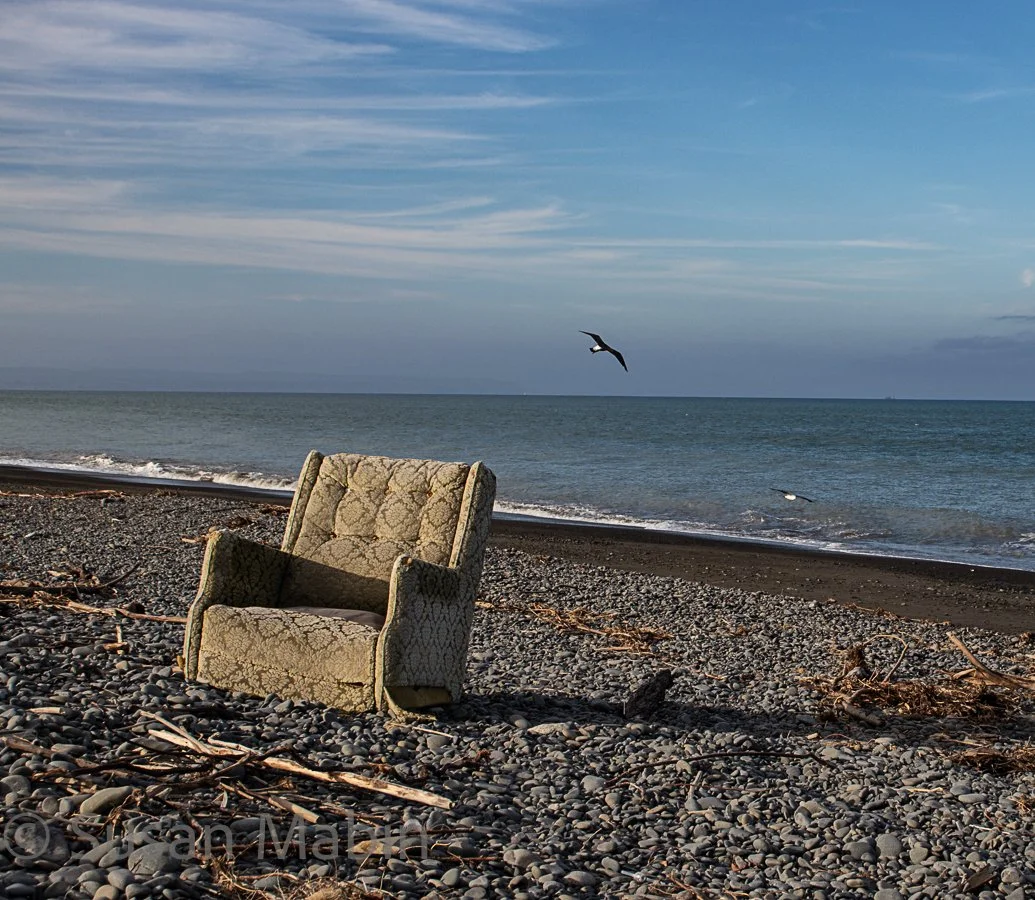
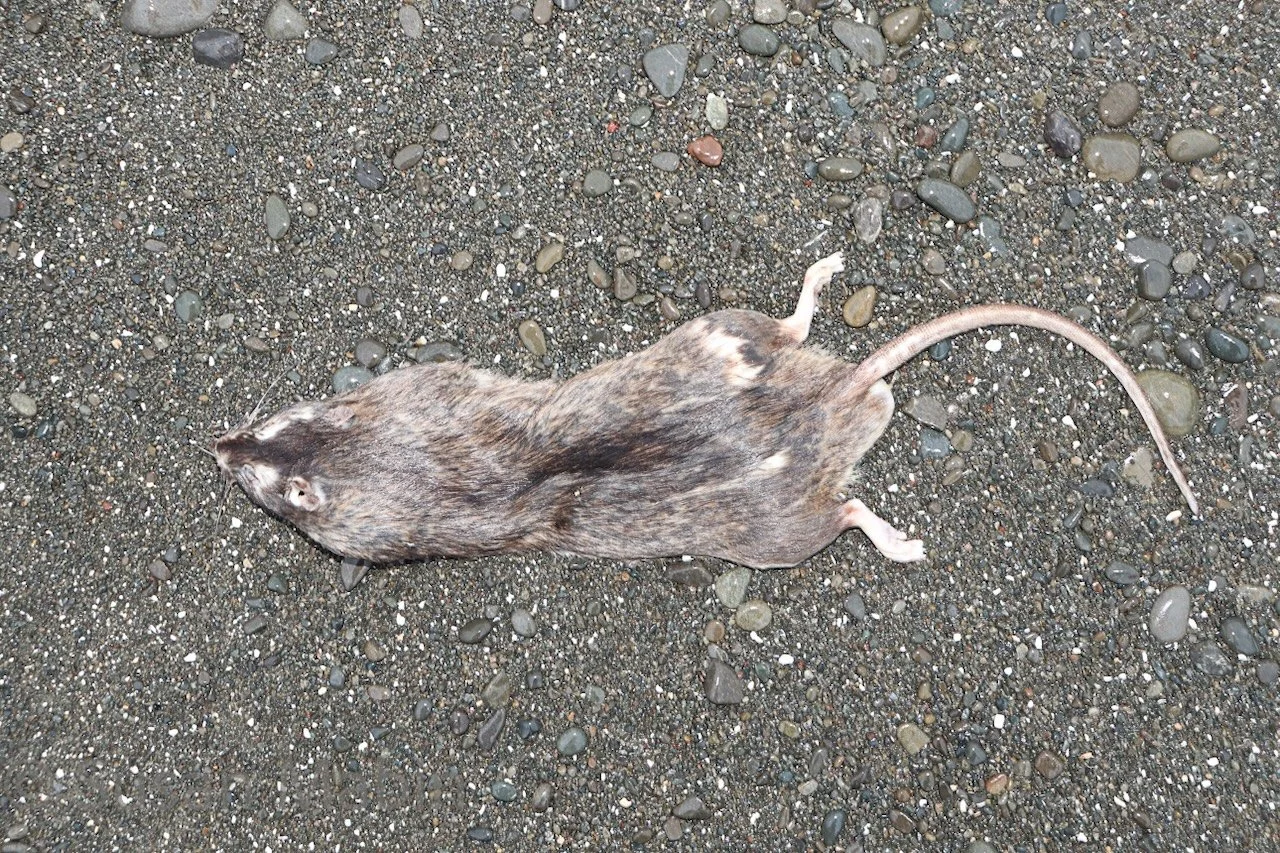
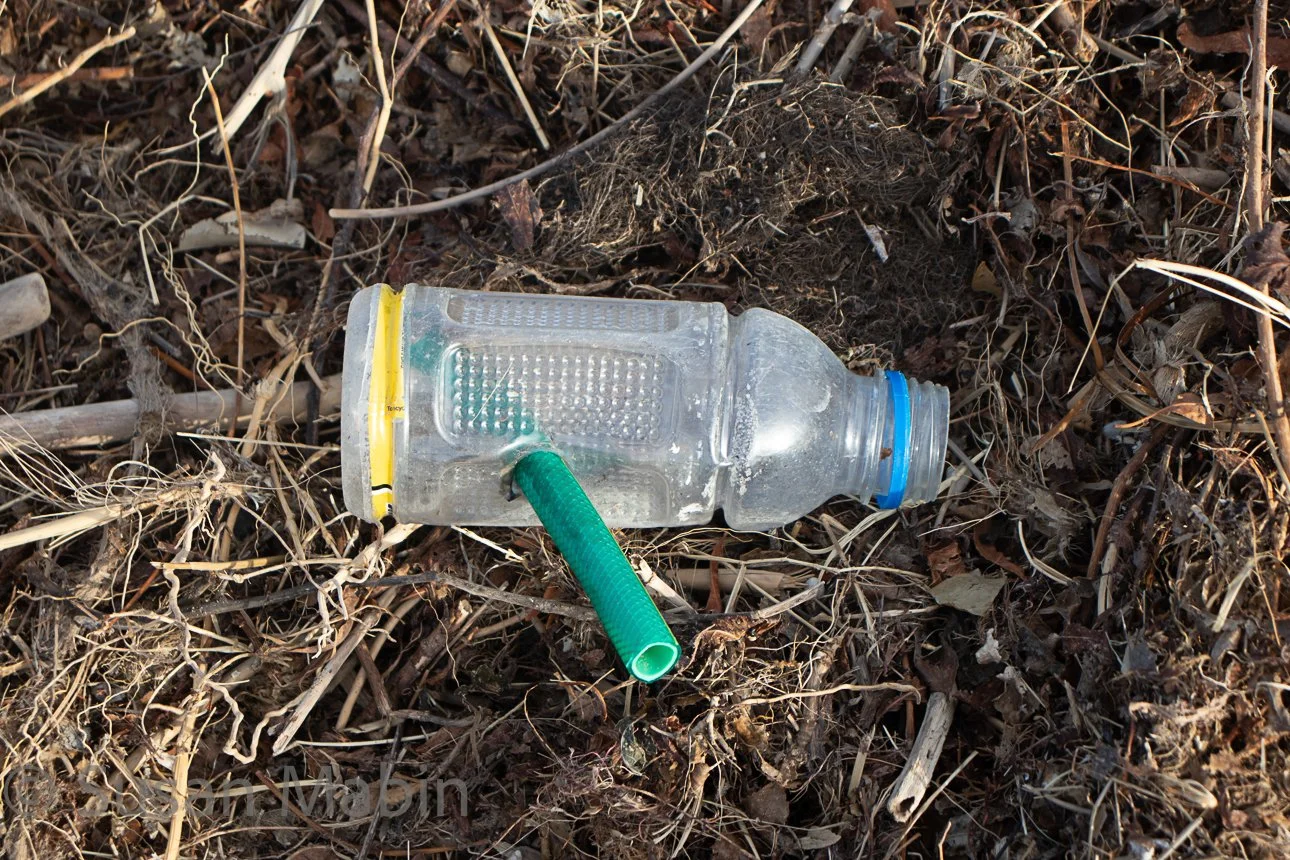
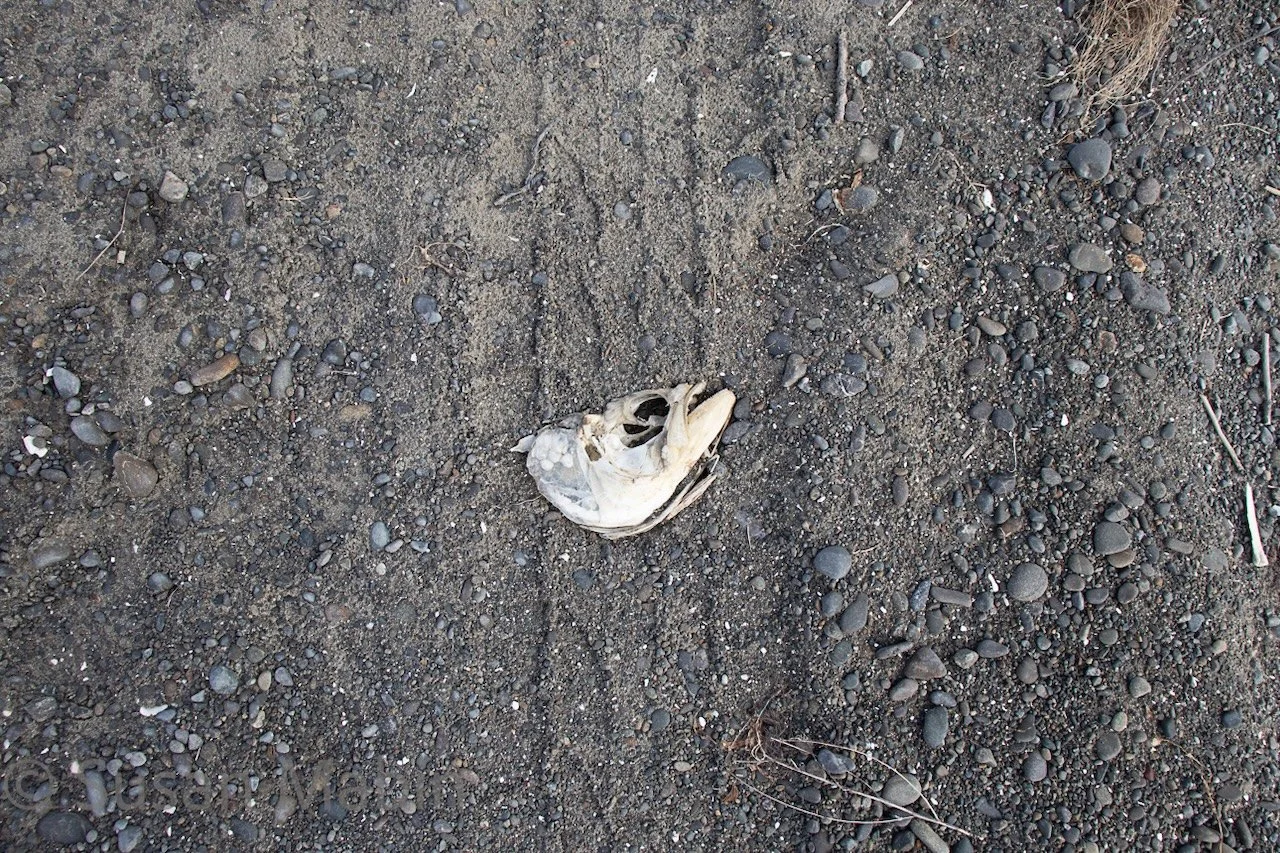
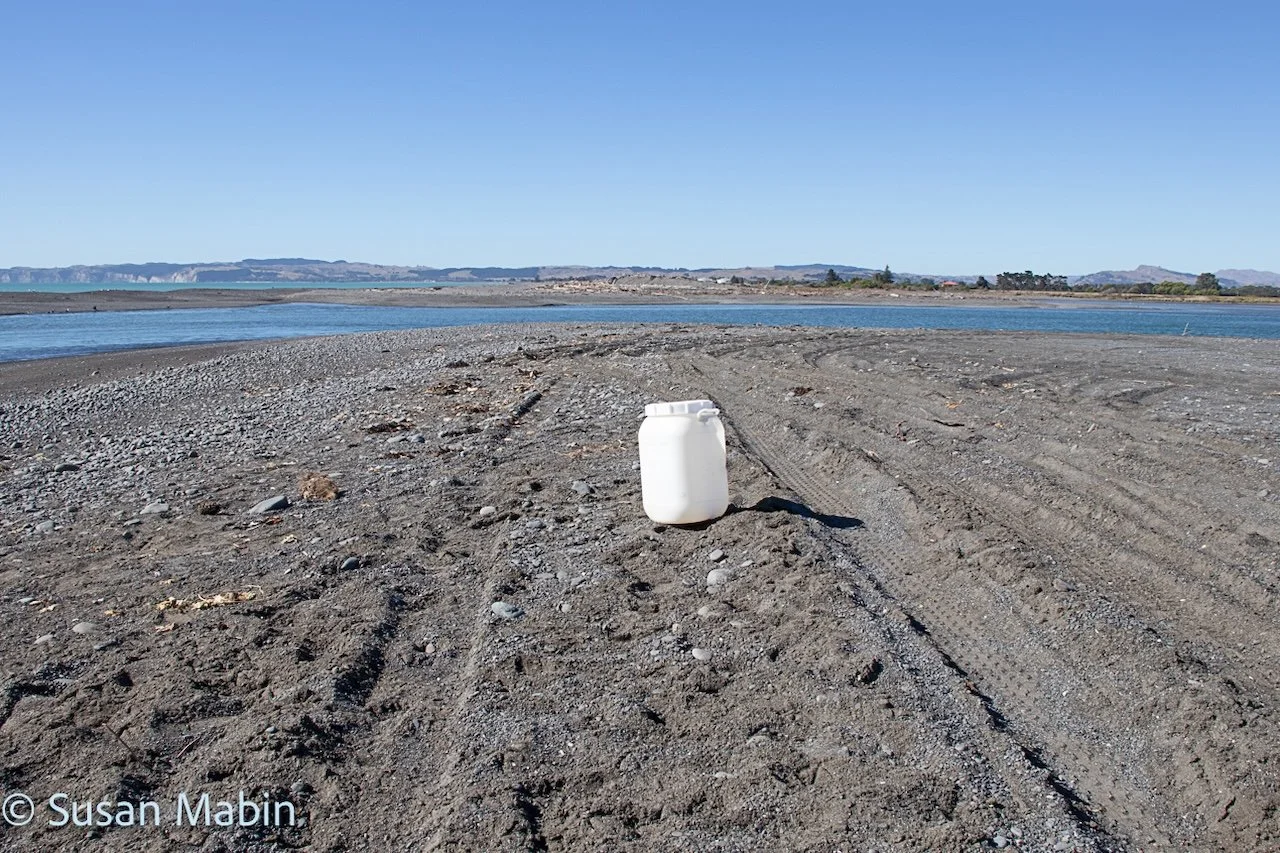
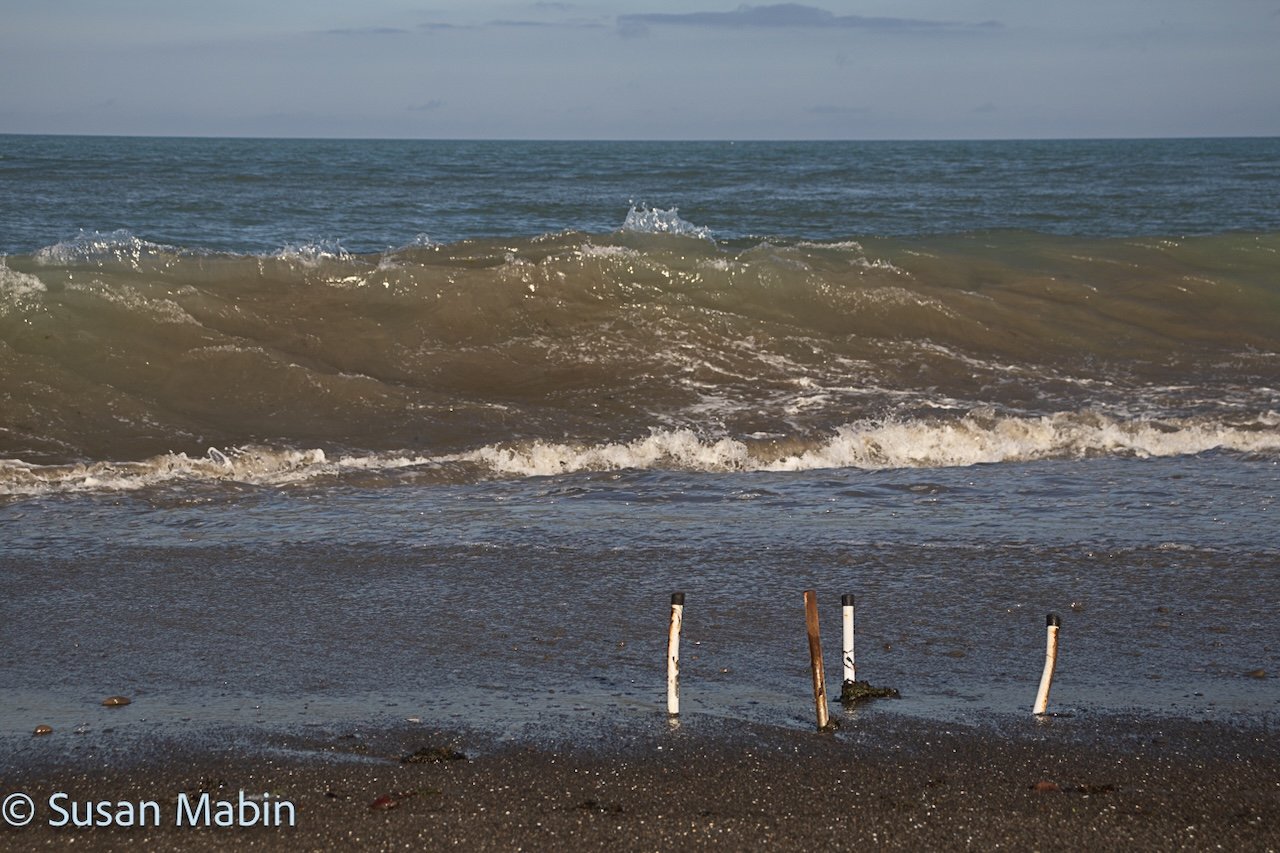
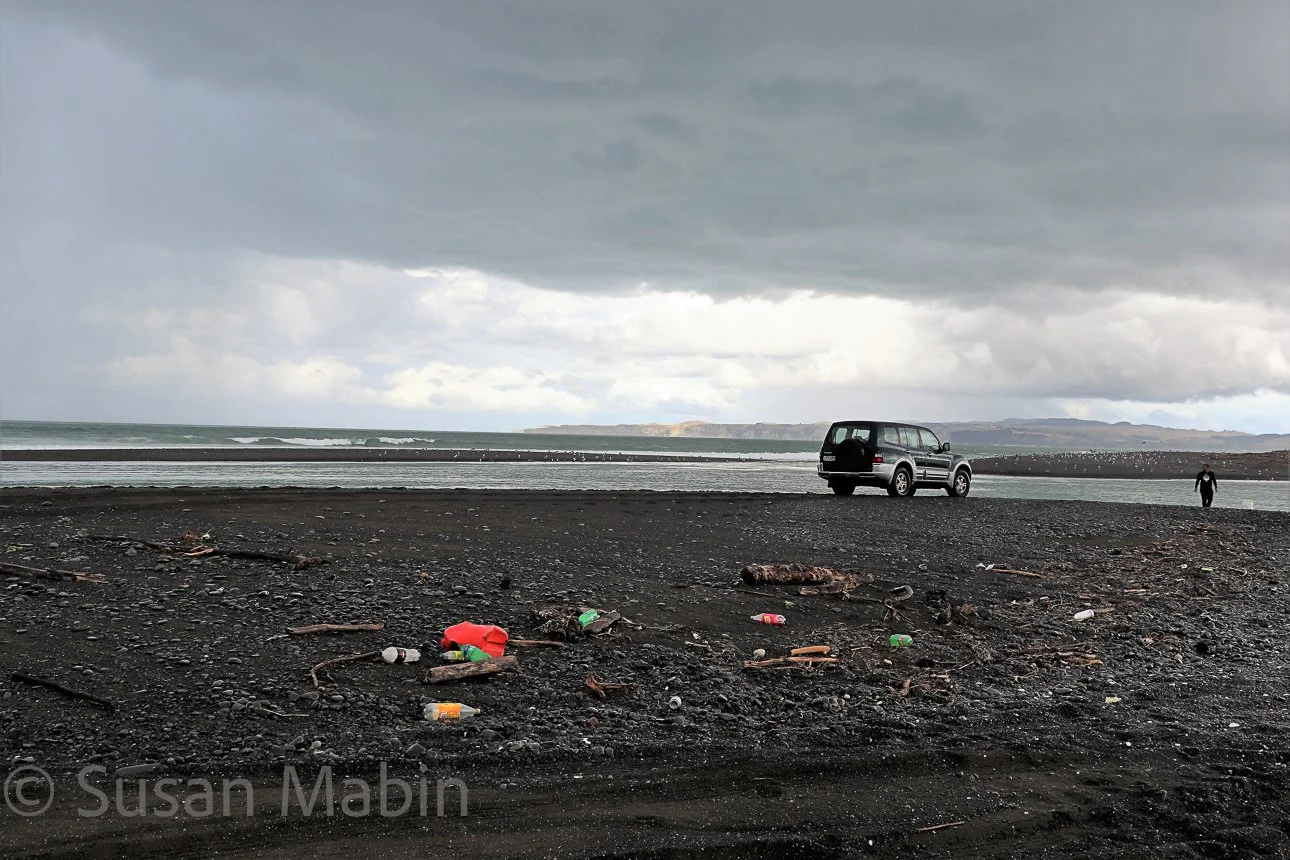
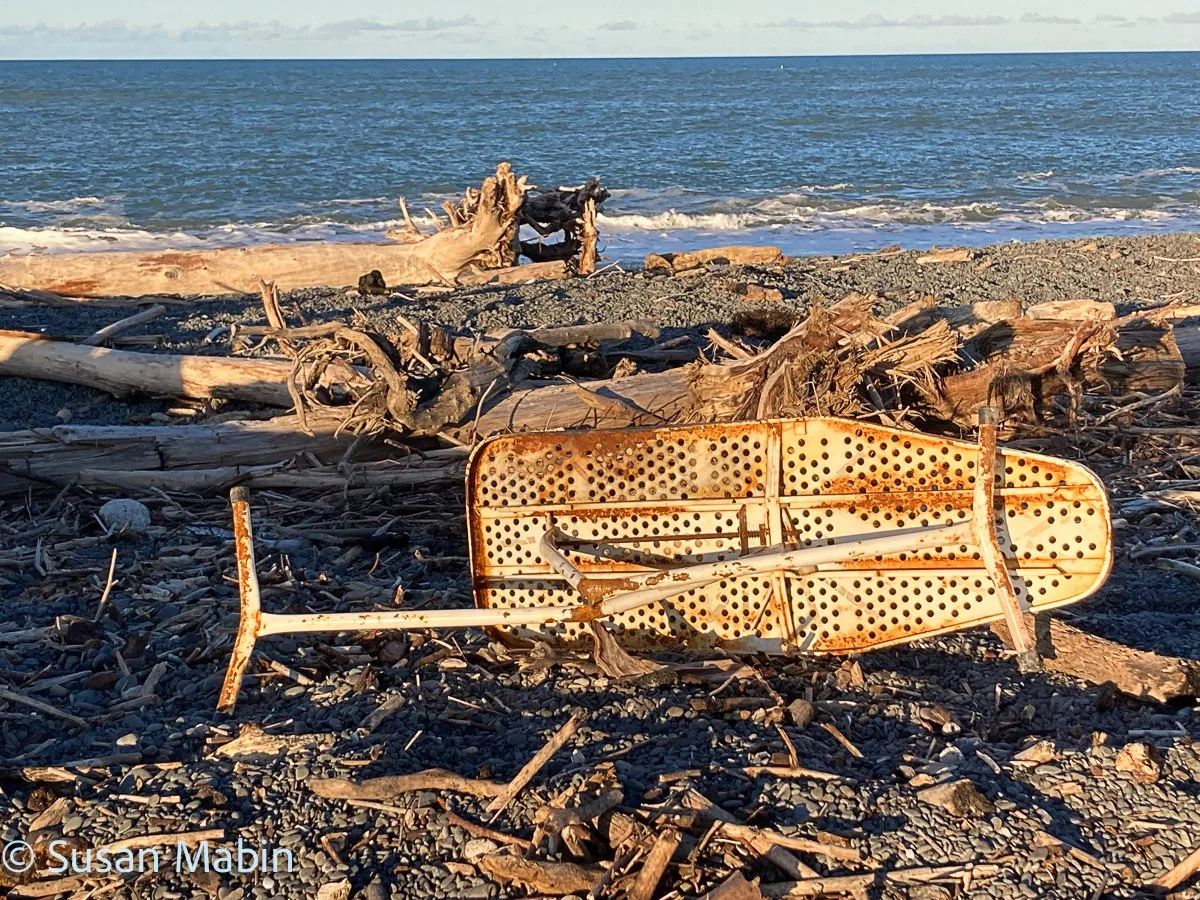
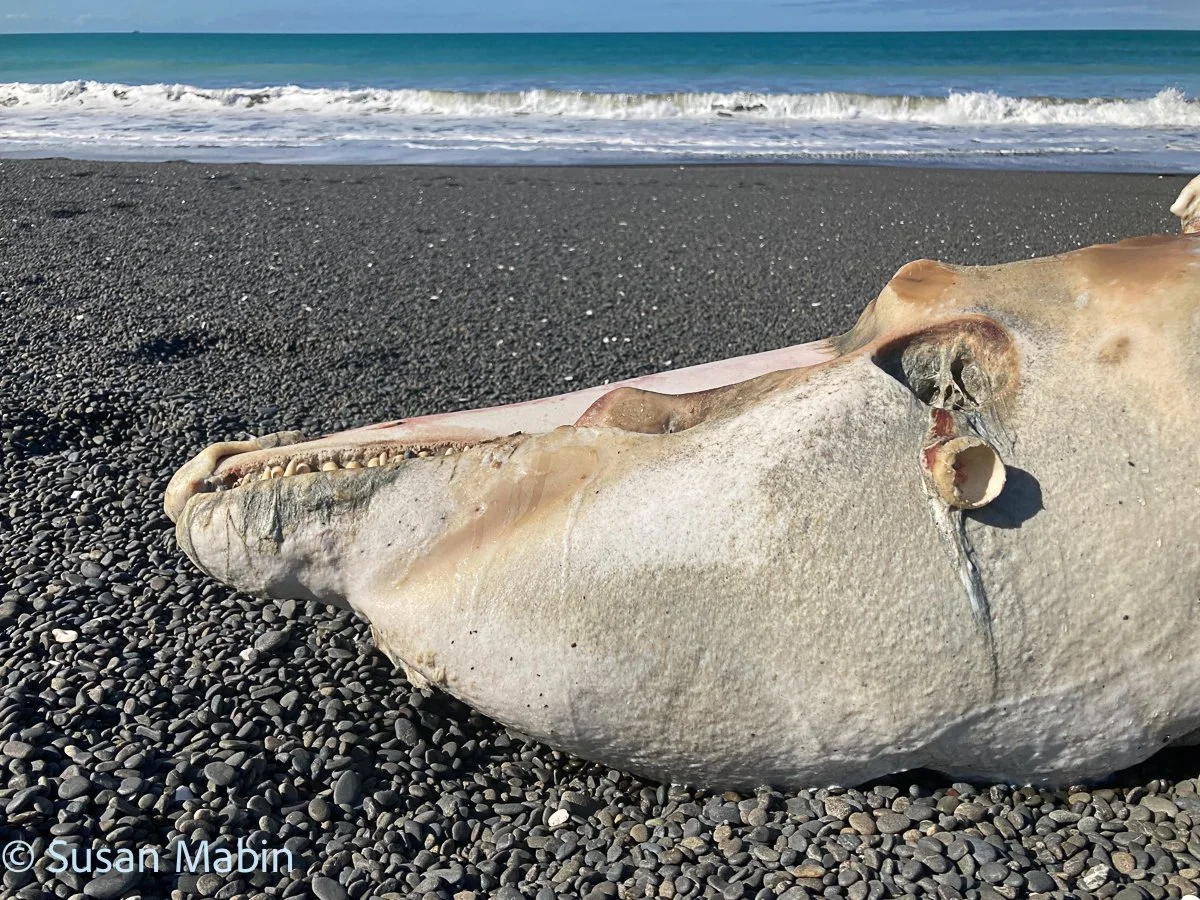
Collecting at Waitangi Regional Park. S. Mabin
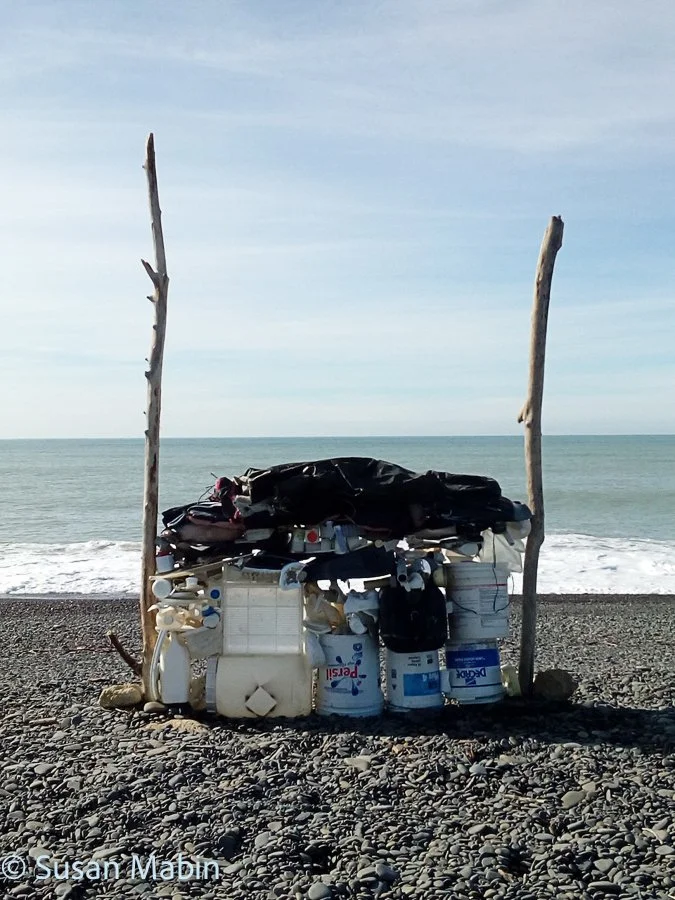
Gateway to the Pacific. 2019
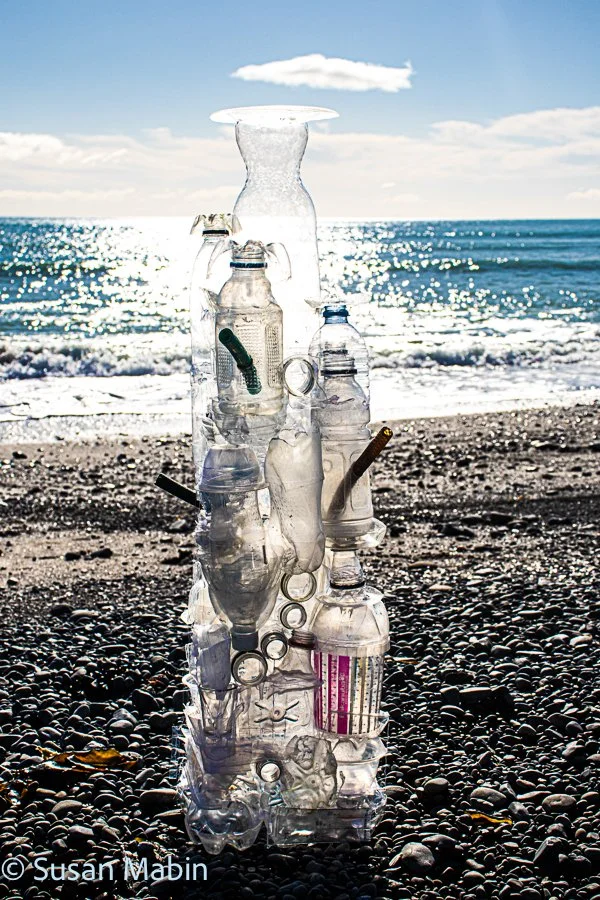
Big Bong. 2019. Made with collected bongs and clear plastic bottles
Next, I had collected a lot of materials such as rope and fishing line, etc, that I wasnt using in the small sculptures and I started collecting branches from the coast and then wrapping these with the found materials to make a forest. I ended up creating about 30 trees and called them ‘Beach Forest’. Beech trees were originally one of the prominent tree species in the area before the bush was cut down for colonisation purposes of the land. I exhibited this forest twice, one at CAN, Napier in 2019 as an indoor installation and then at Kaipara Sculpture gardens as an Outdoor Installation for 2019/20 year. I also took the finished trees back out to the beach and photographed them there.
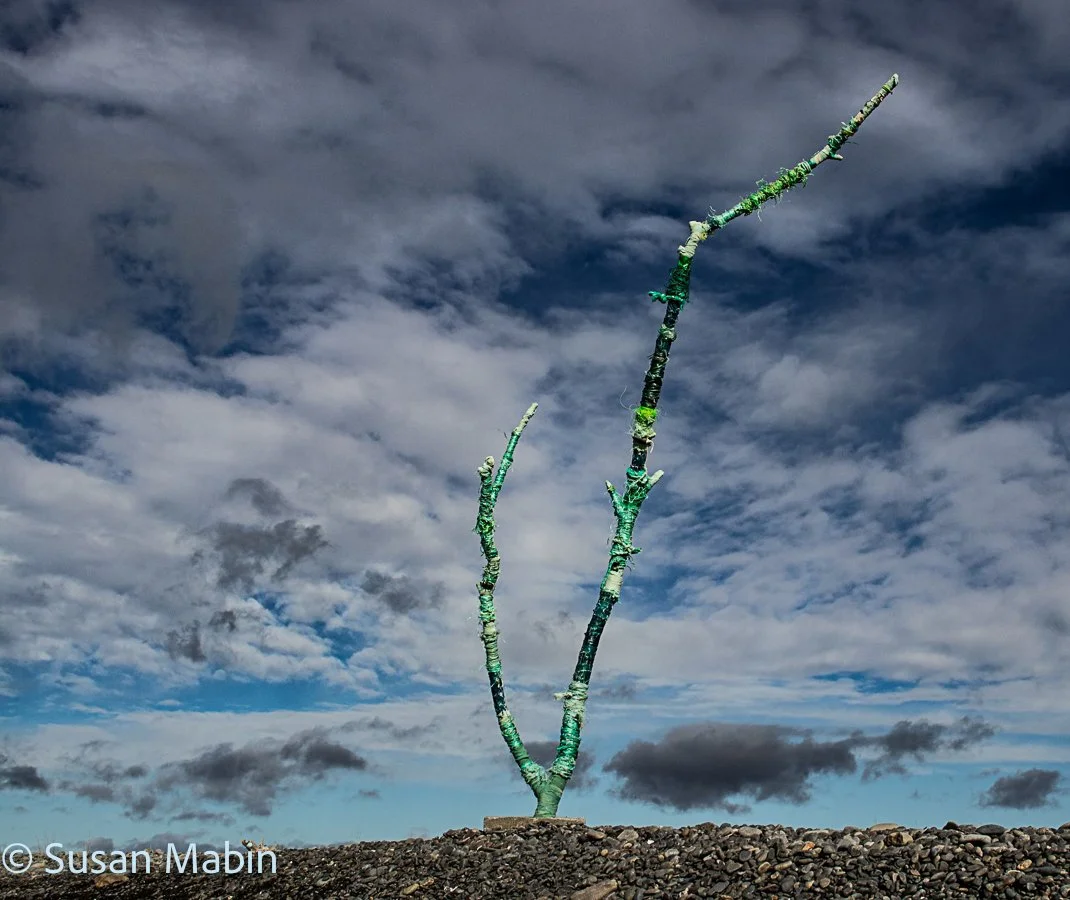
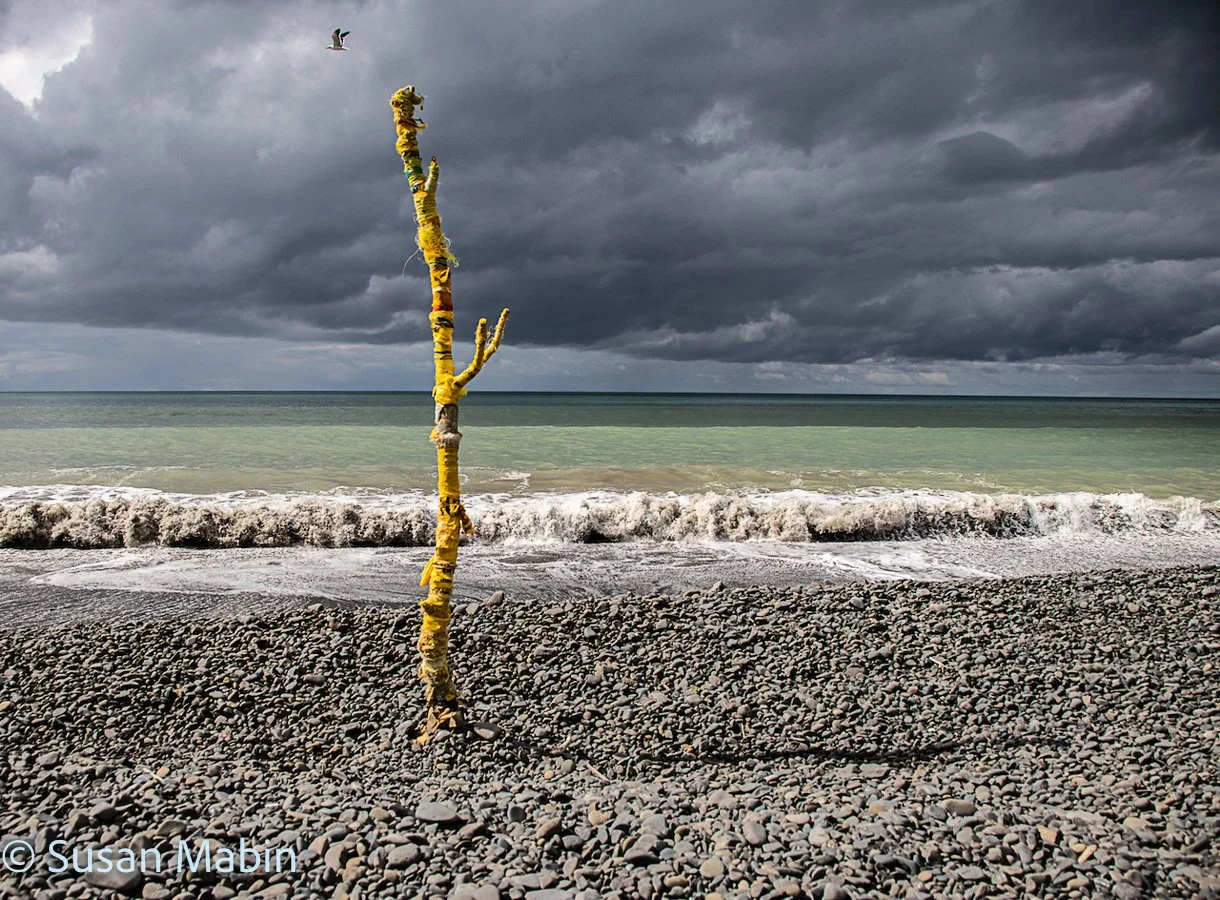
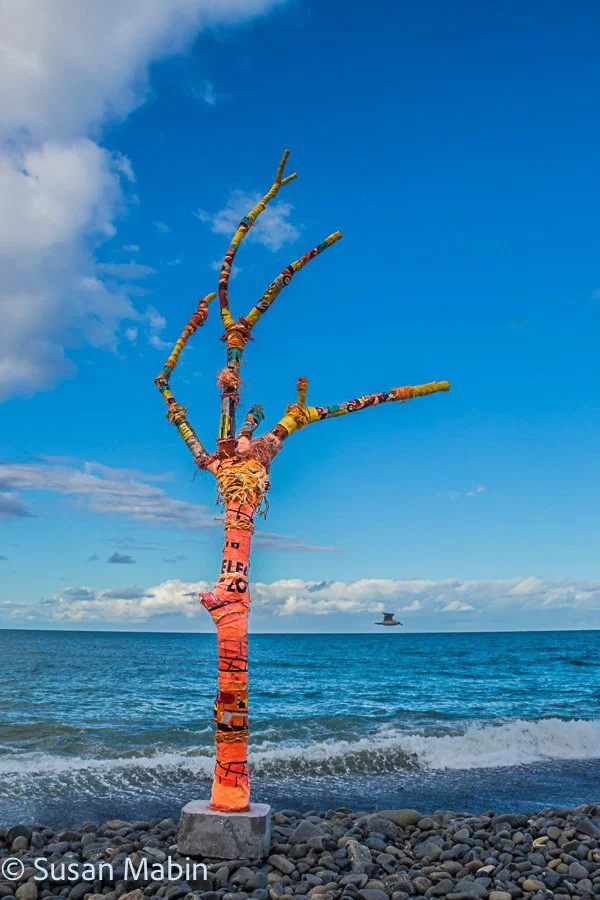
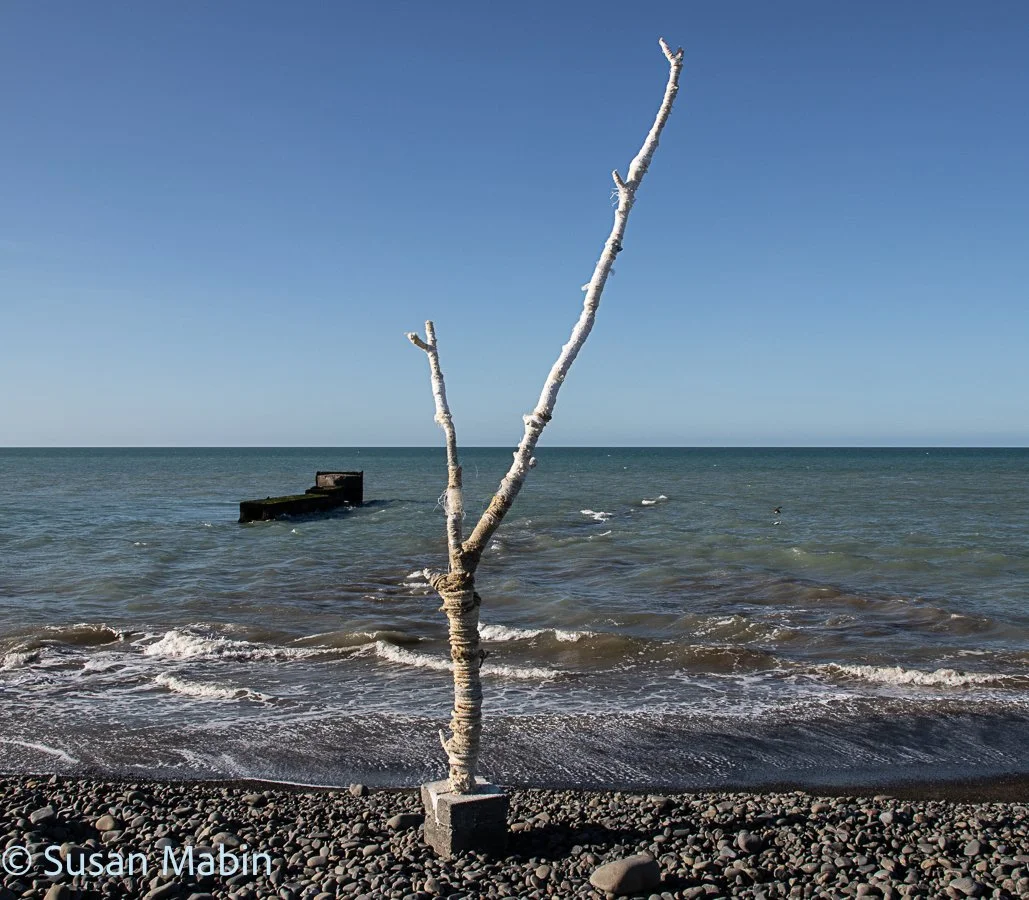
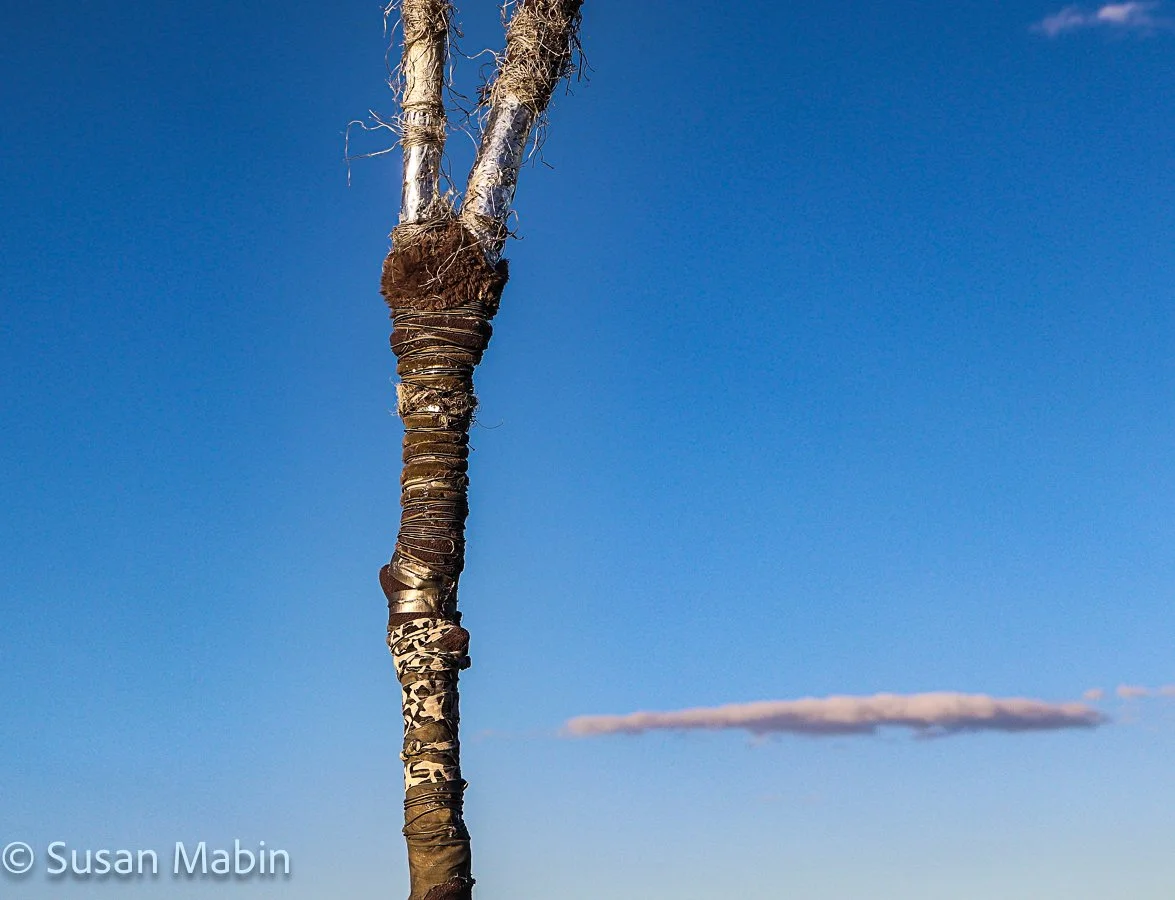
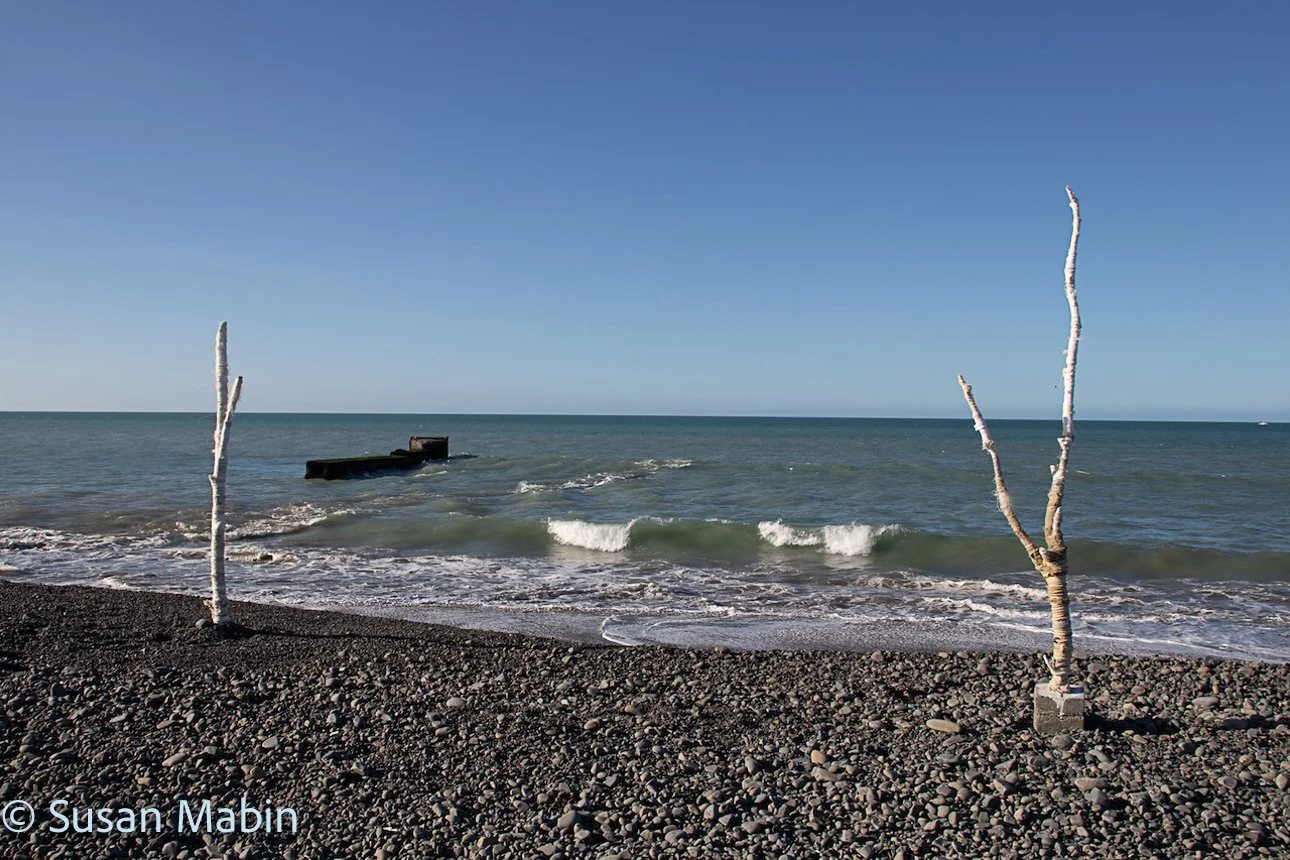
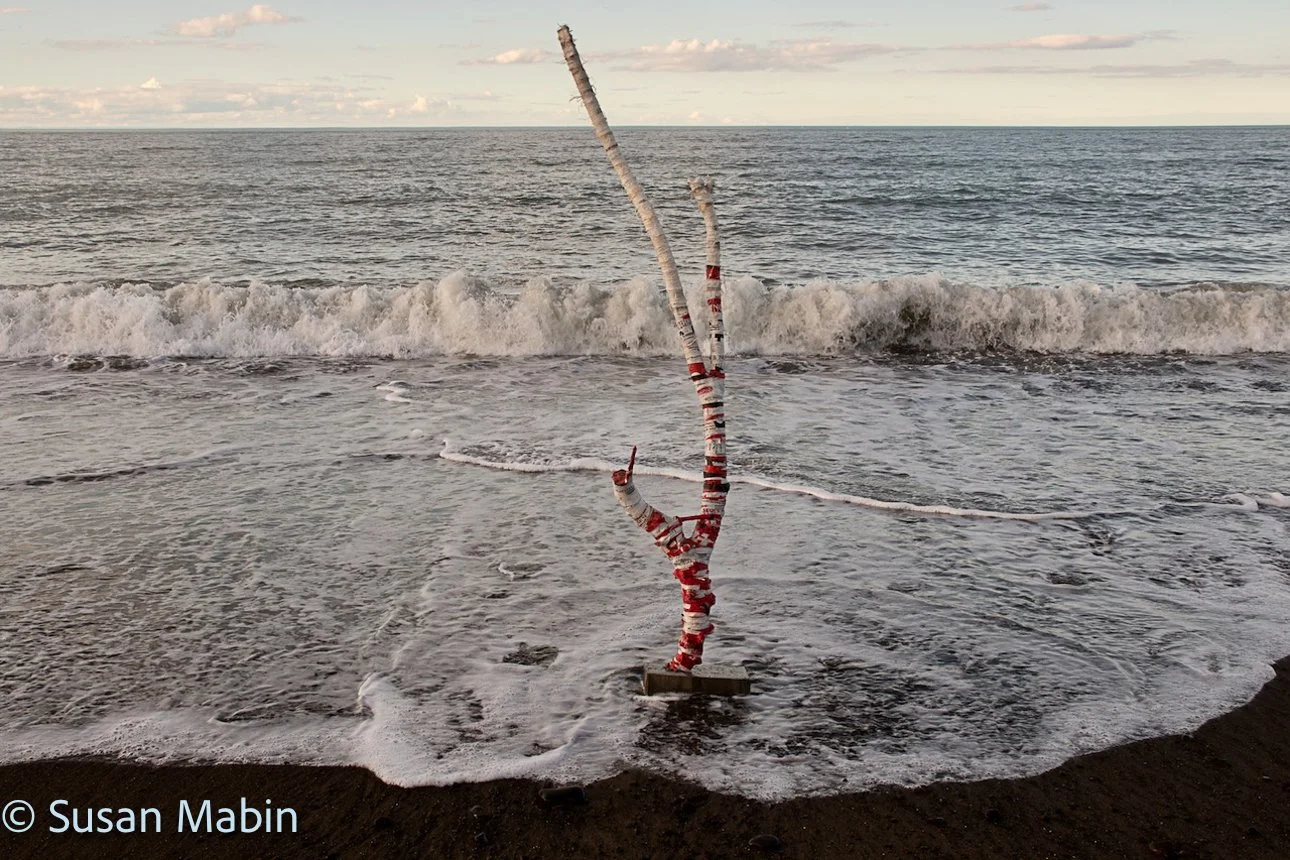
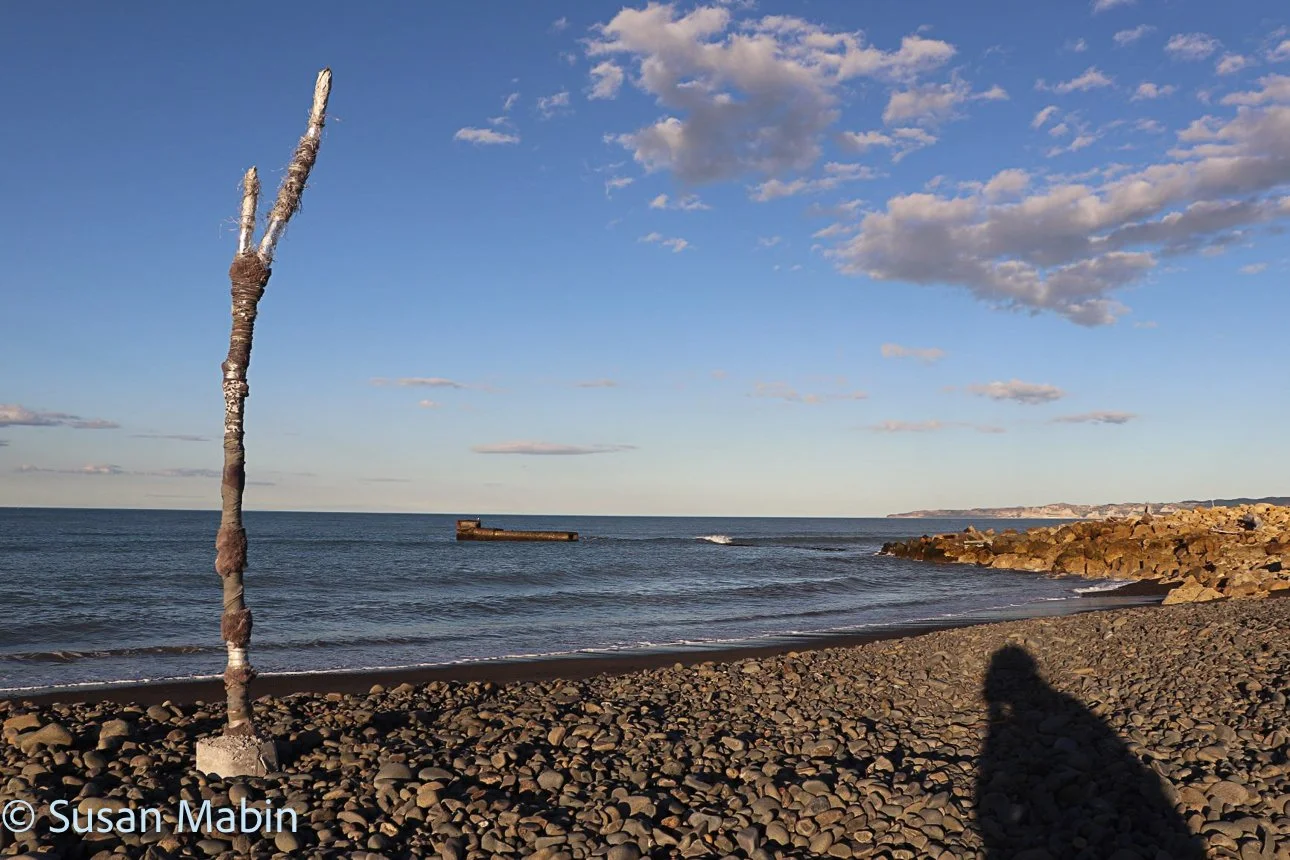
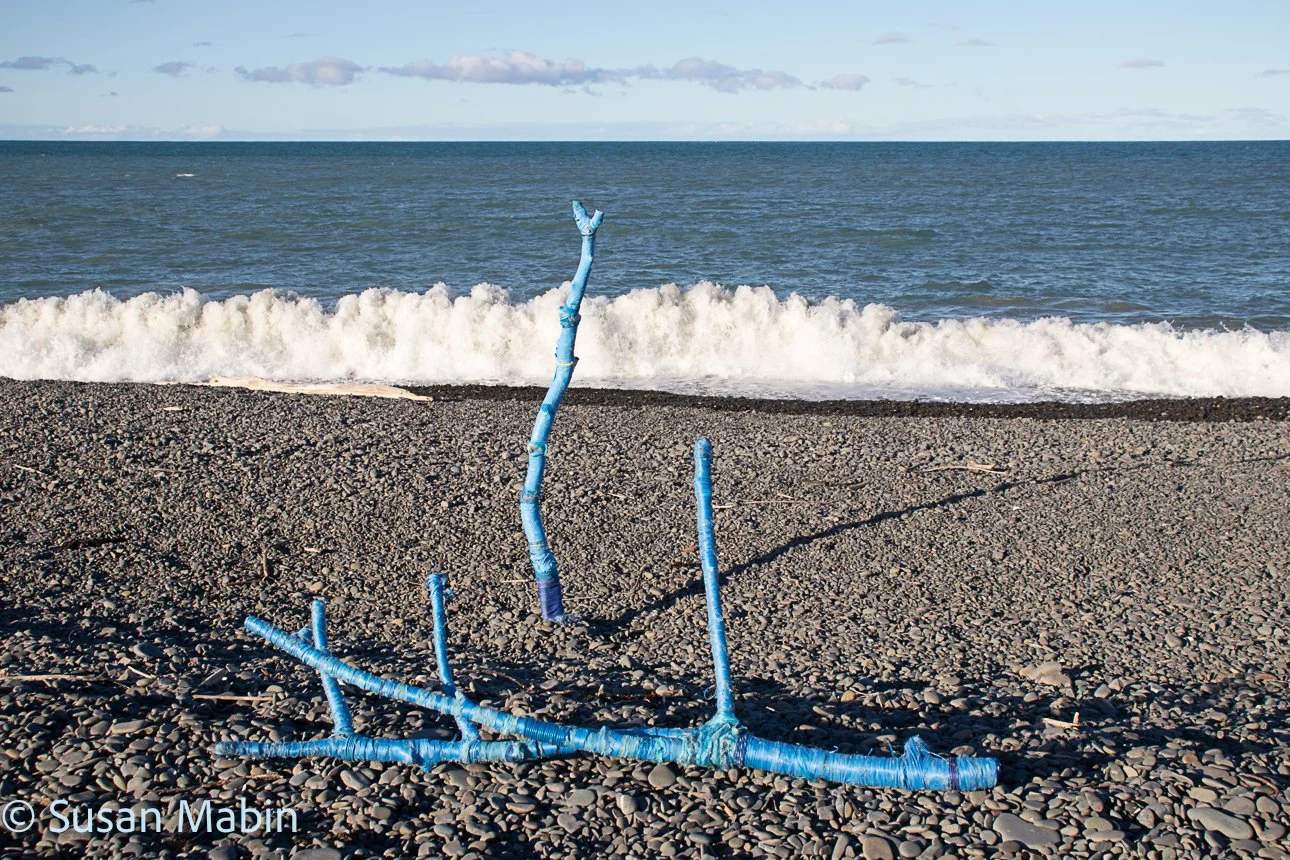
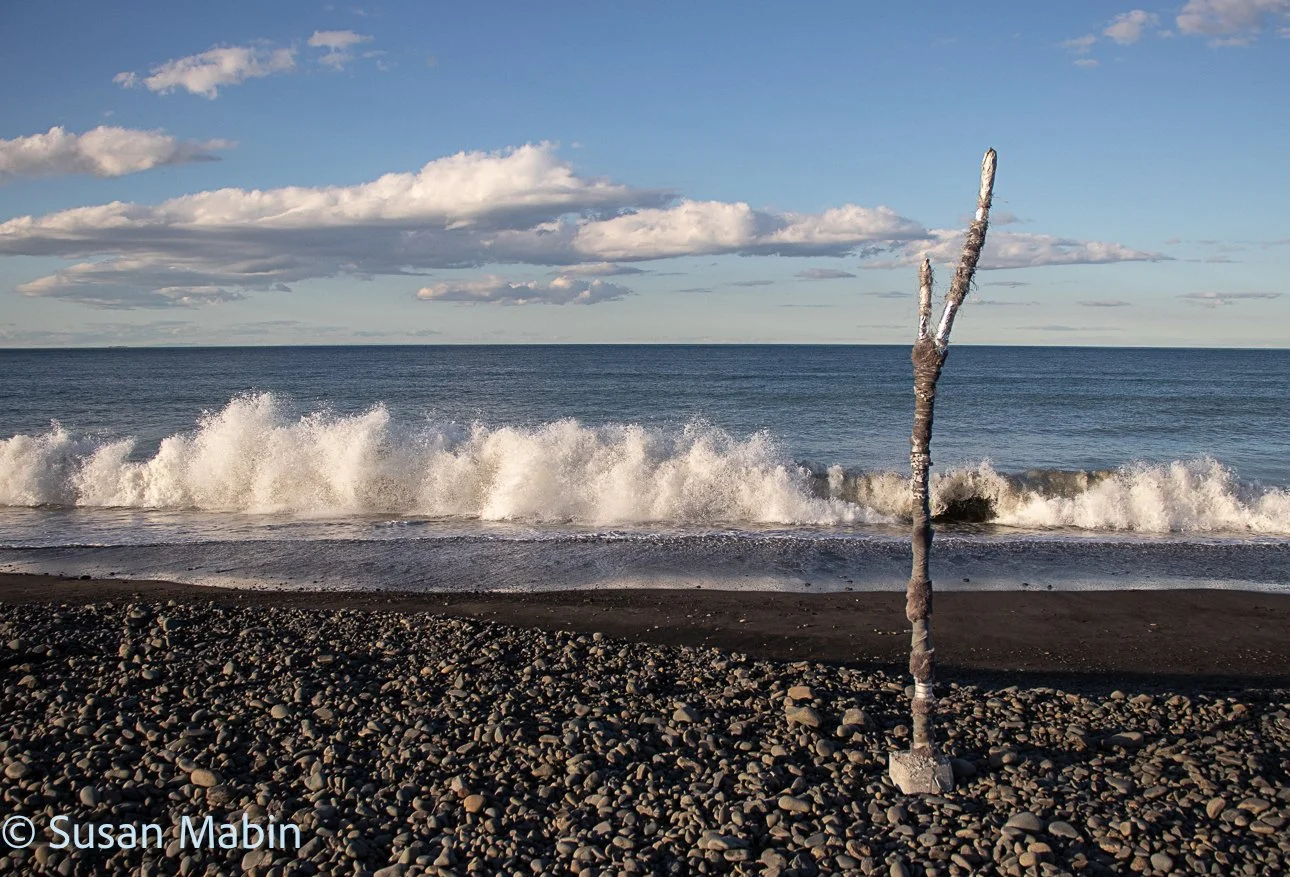
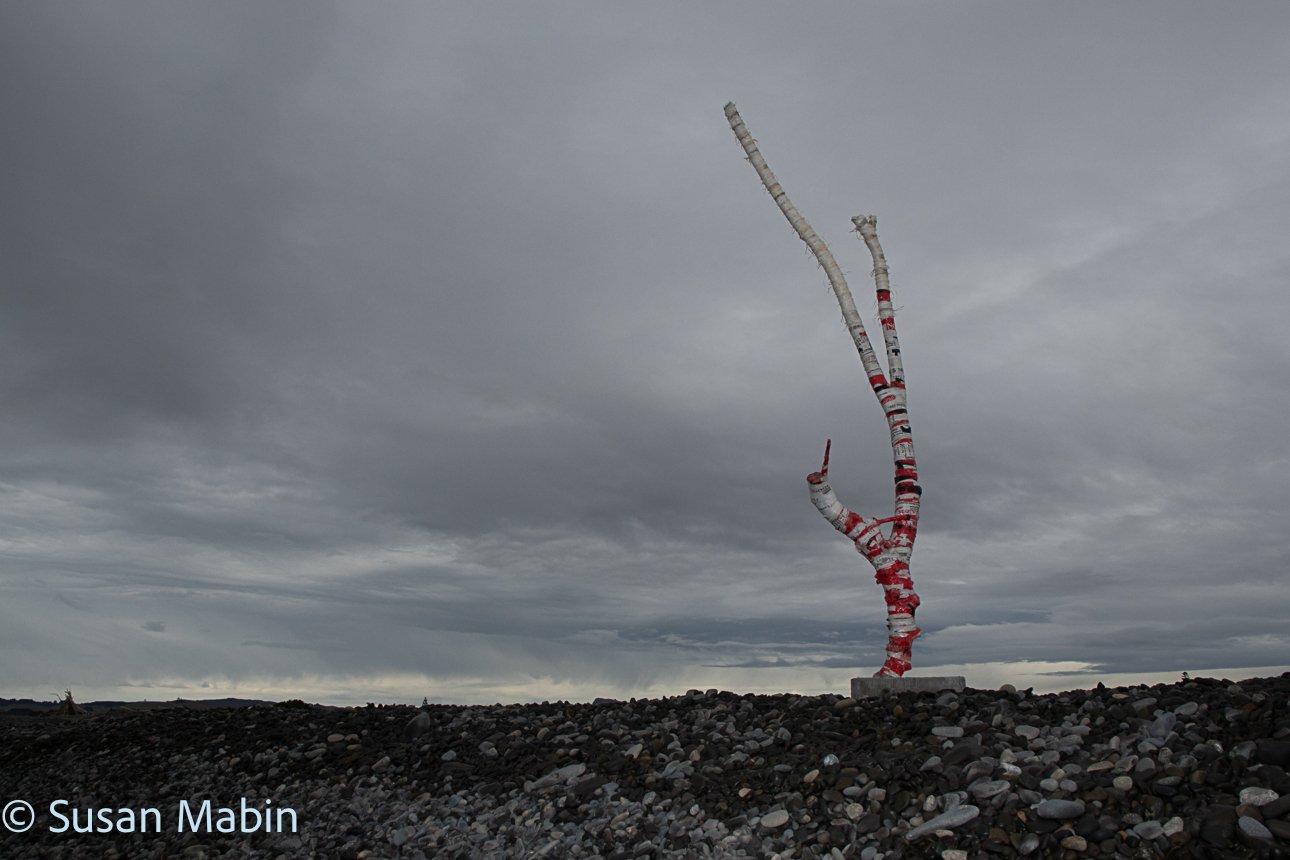
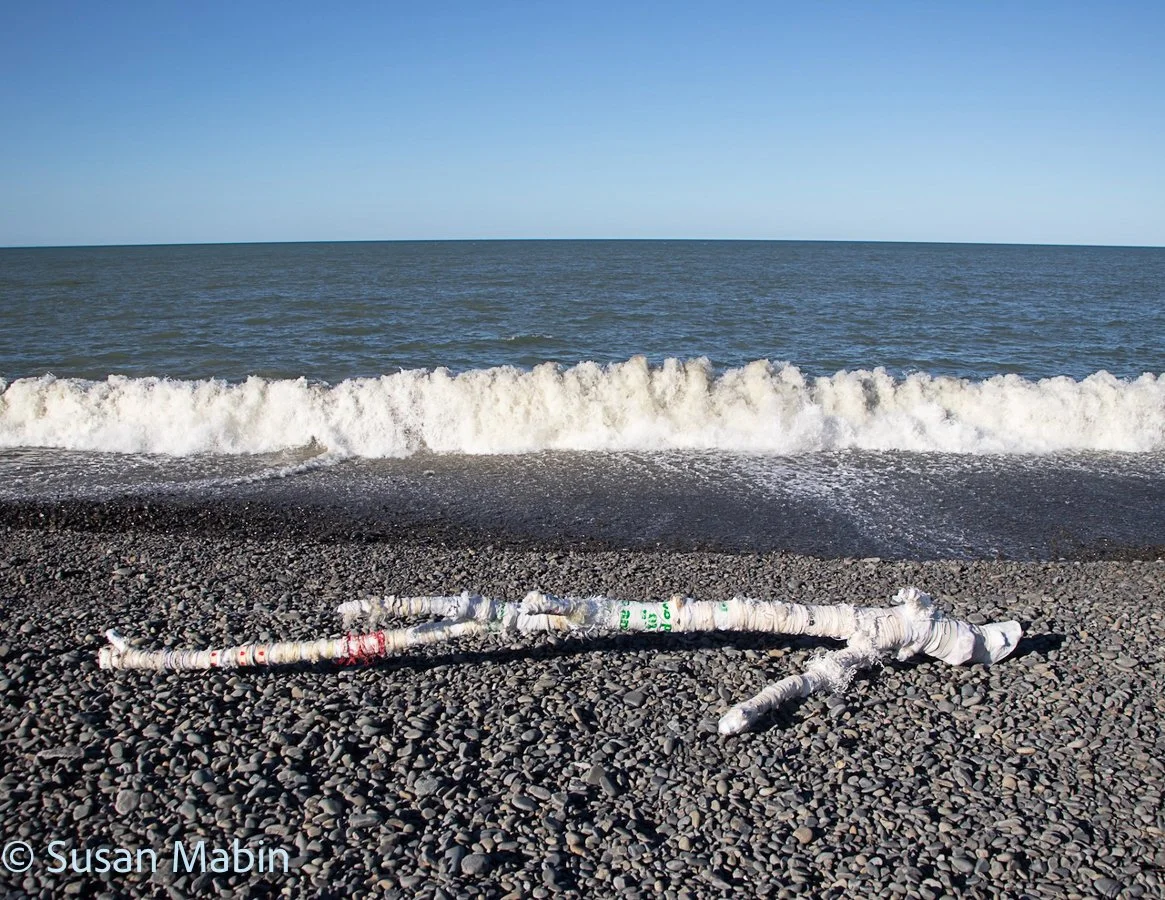
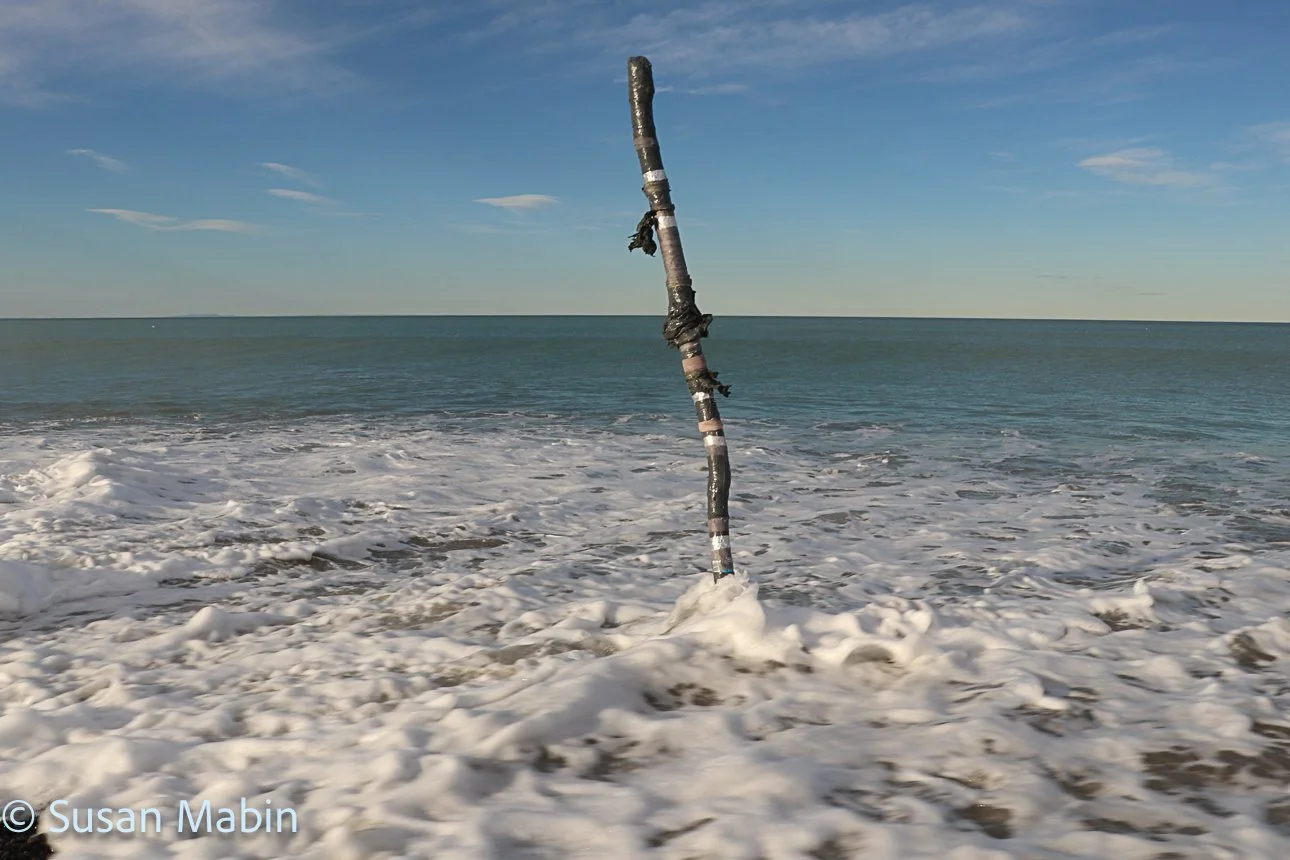
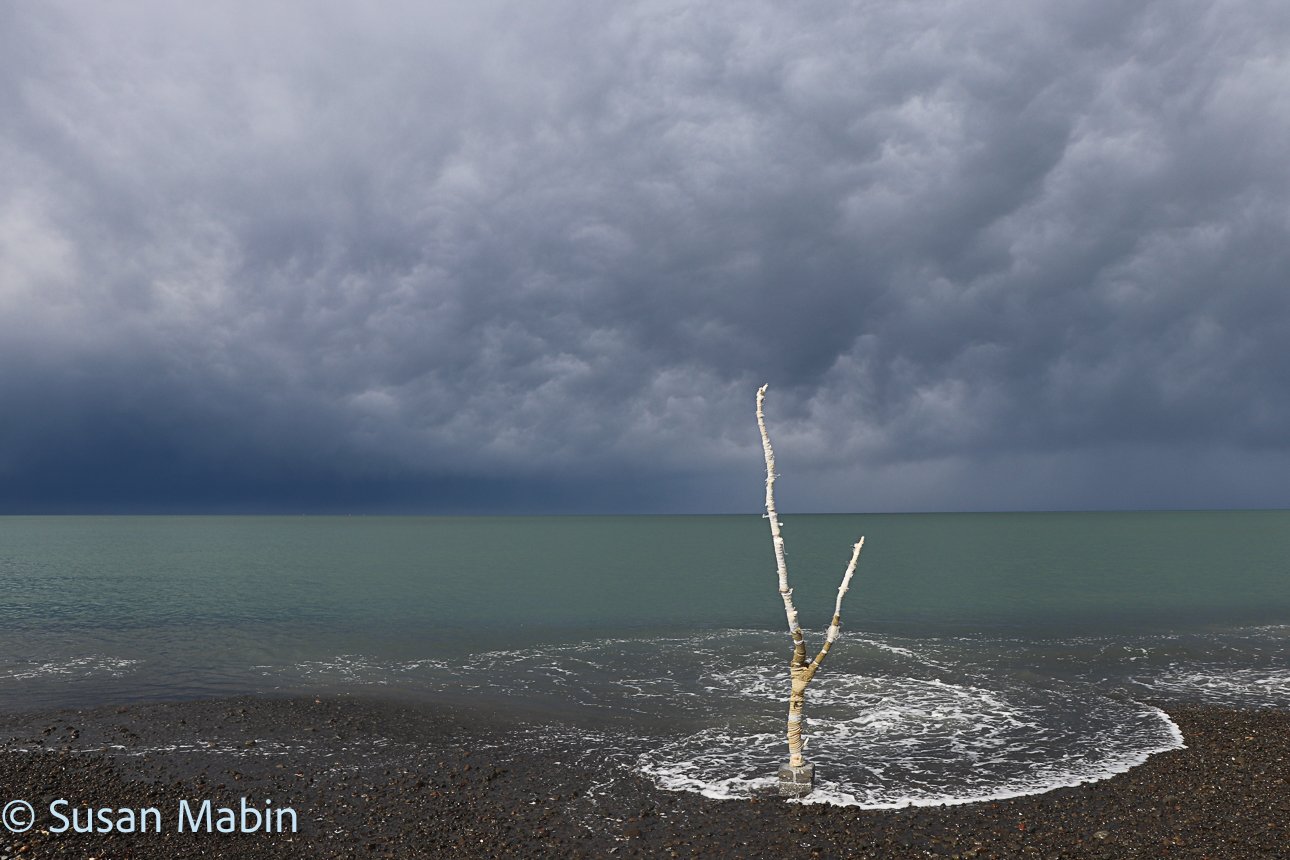
The Beach Forest spoke to a number of environmental concerns that I end up making work about in this project. What starts as an interest in the properties and qualities of the found materials and their colours, and just wanting to make something with the things that I find, the work ends up as a critique on consumerism and the careless way man made things are discarded into our environment. The other possible interpretations come later as the work develops. The forest could hint at other things like deforestation, the photos taken at the place the materials were found could hint at potential sea level rise.